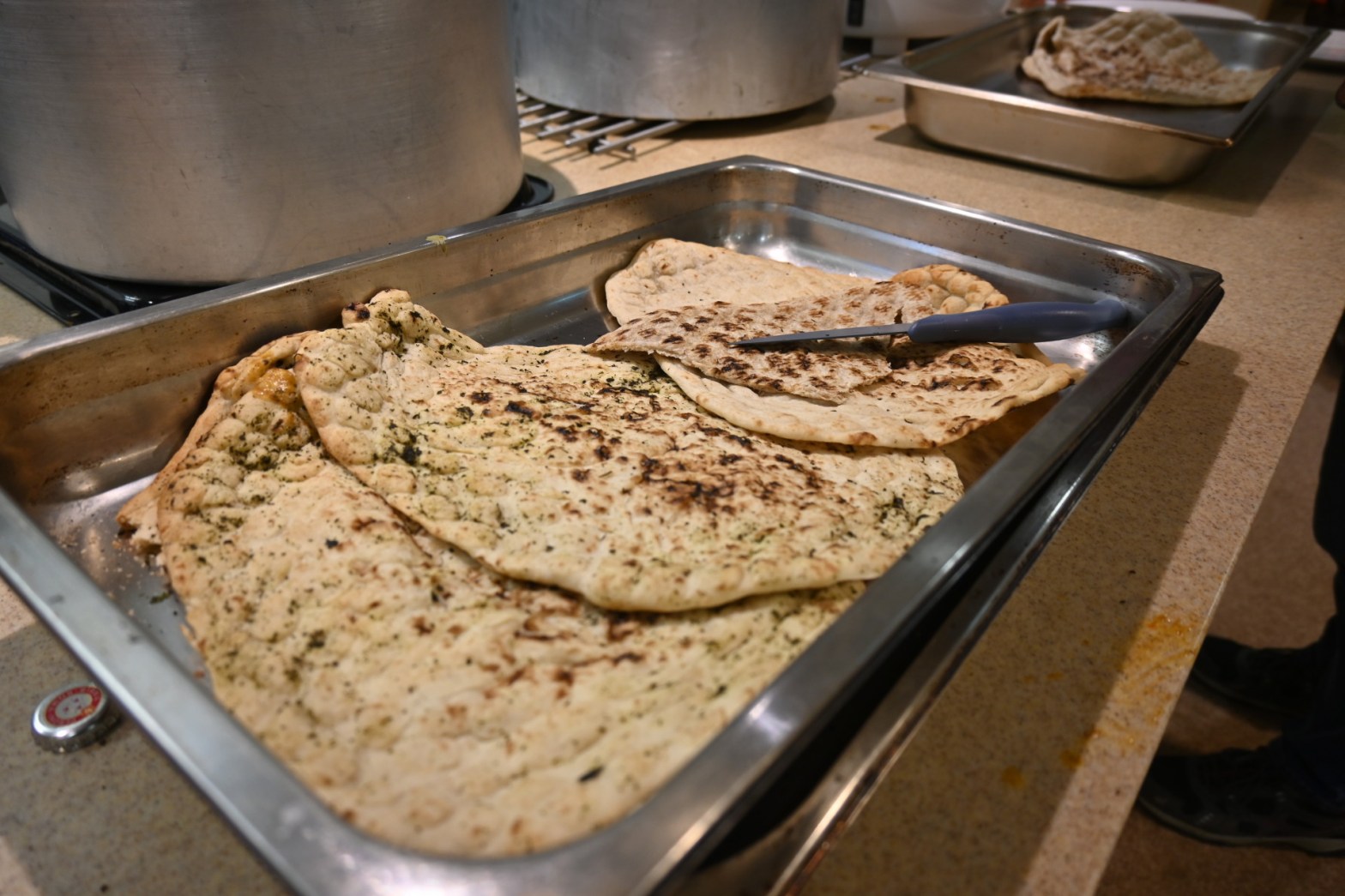
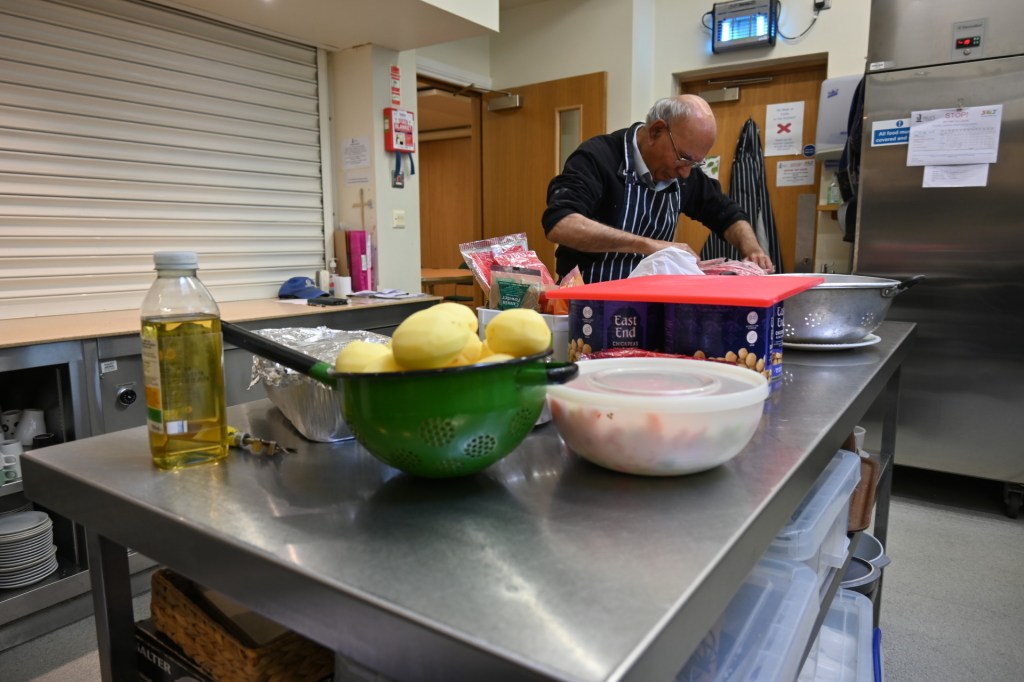
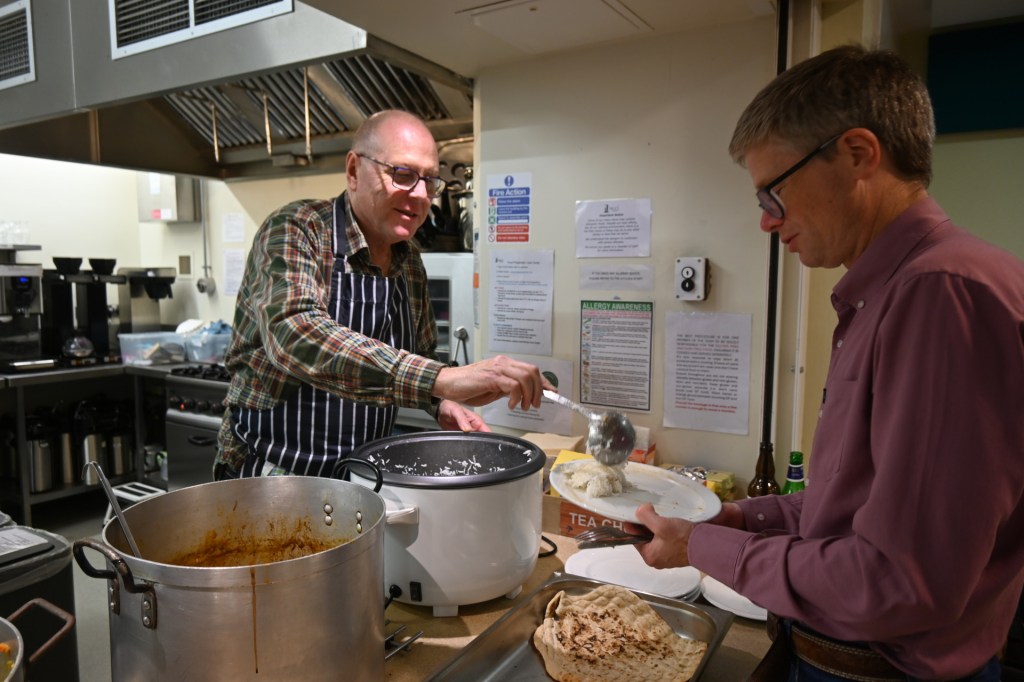
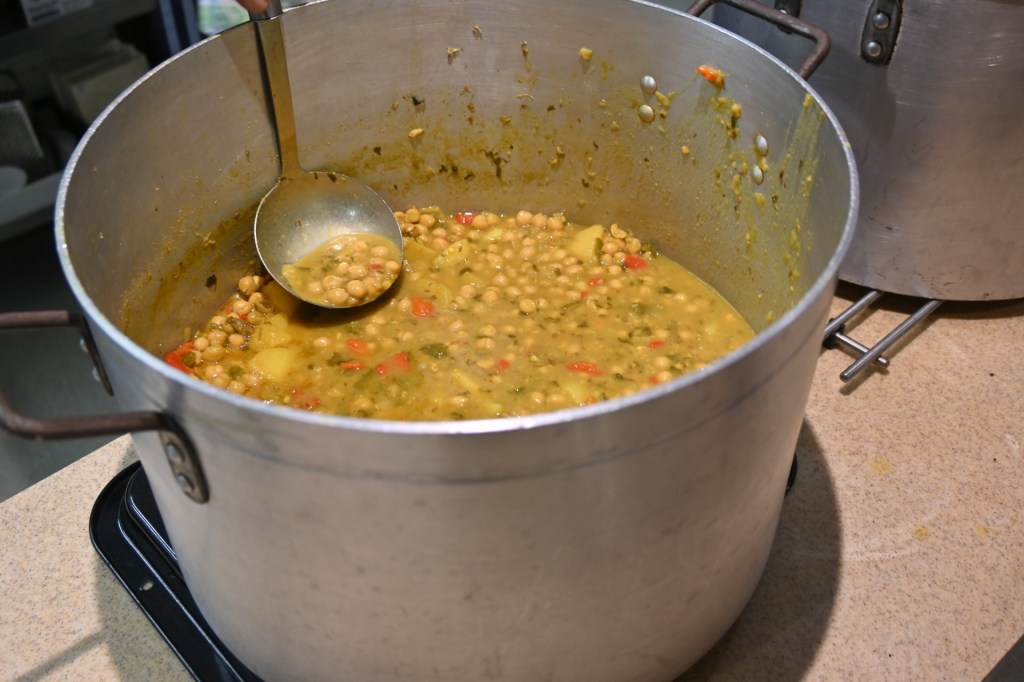
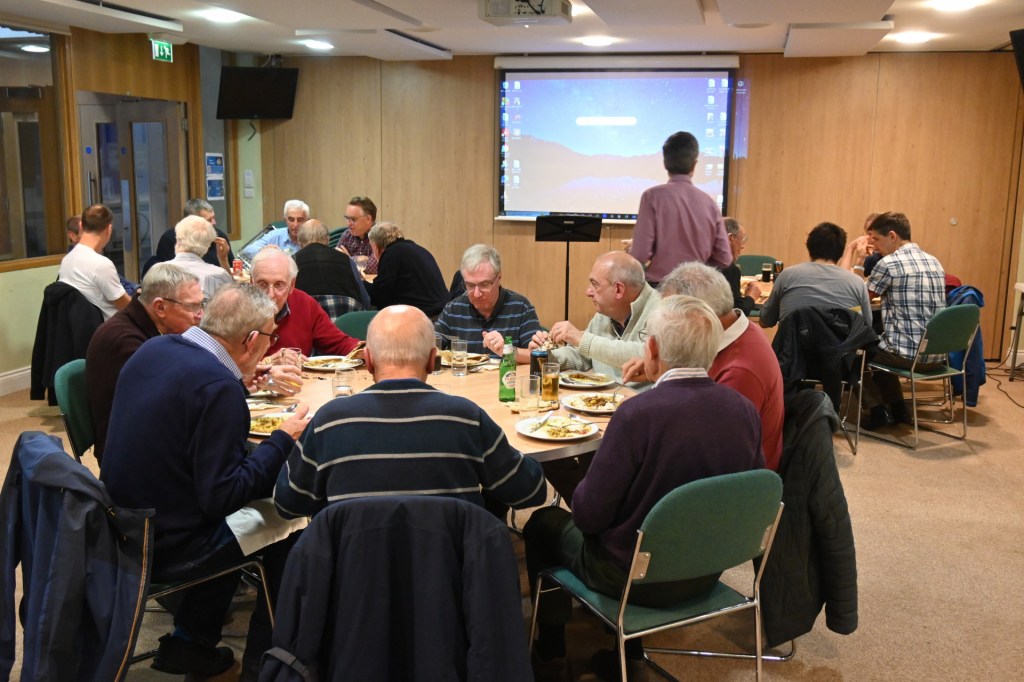
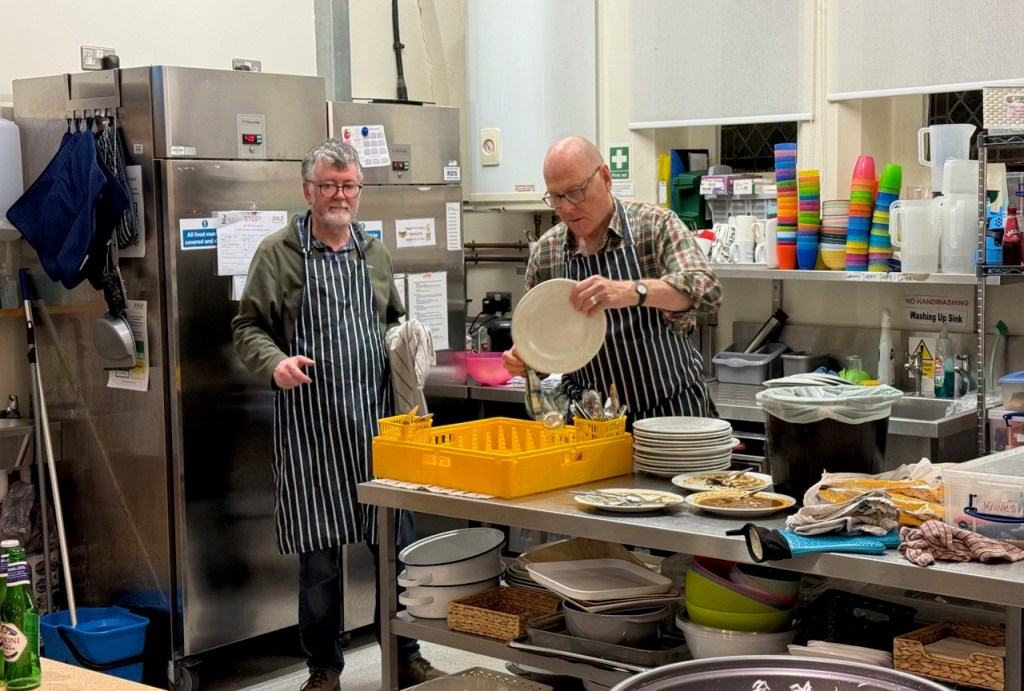
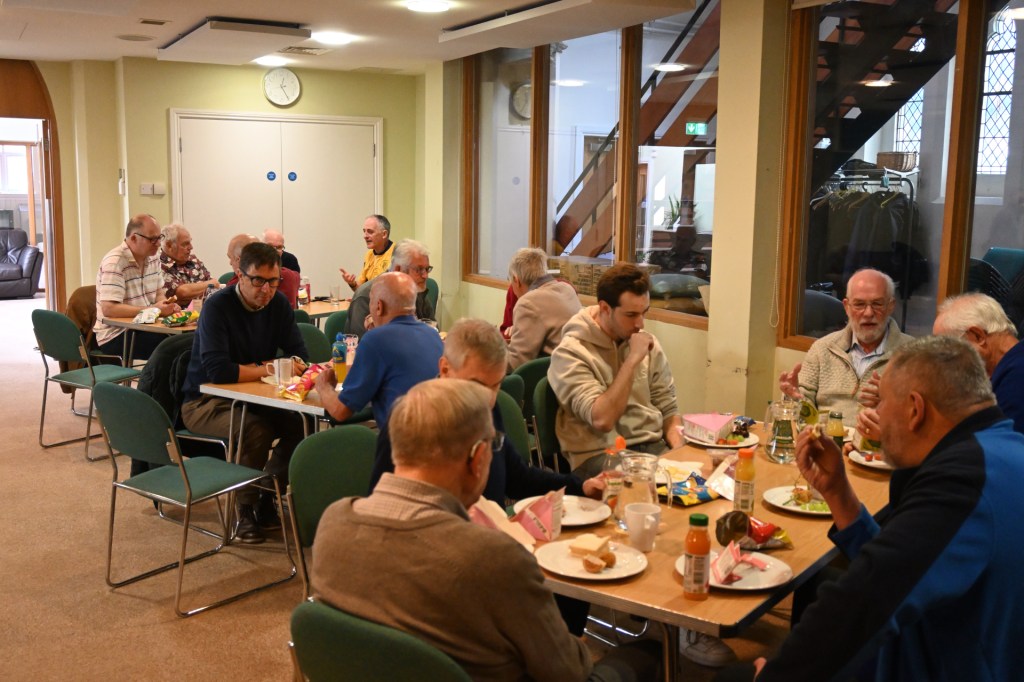
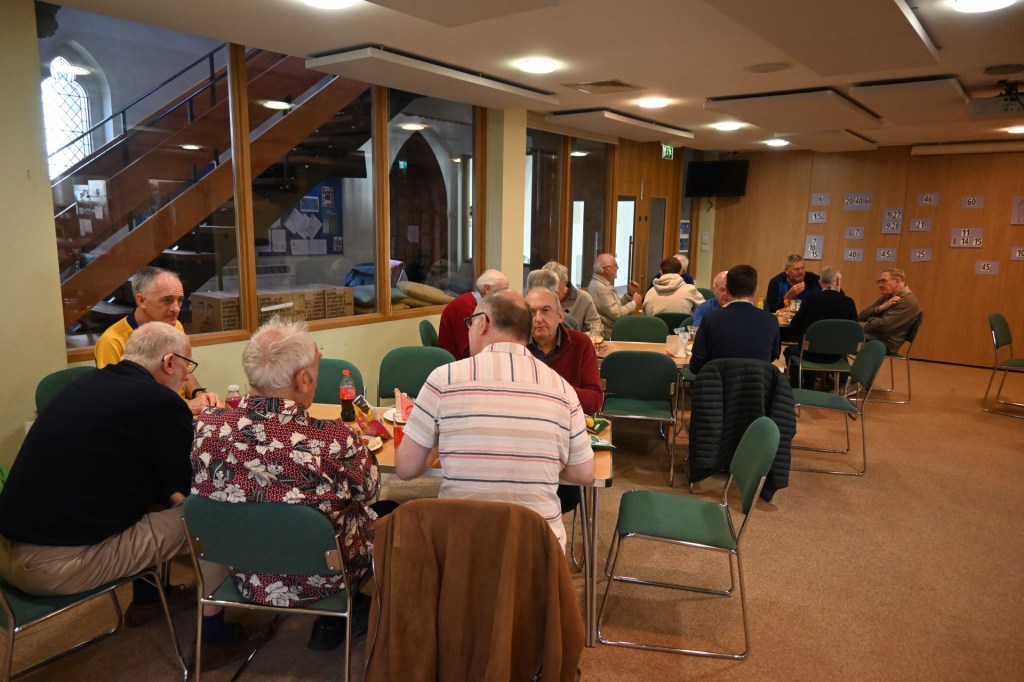
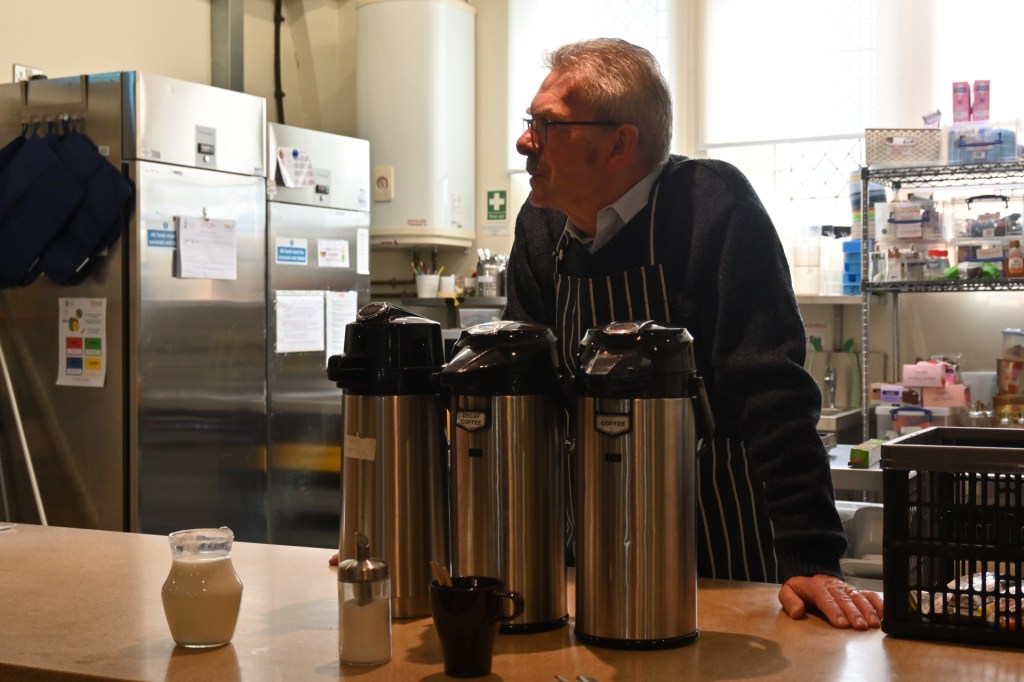
Friday 3rd October saw the return of our ever-popular Men’s Curry Night. 35 men of all ages booked in for the evening. Gian was not able to attend the evening as he was to be awarded the Freedom of Warwick that night for his service to the community. He still came in earlier and prepared curries for us to enjoy.
The evening was great, new friendships made and old ones strengthened.
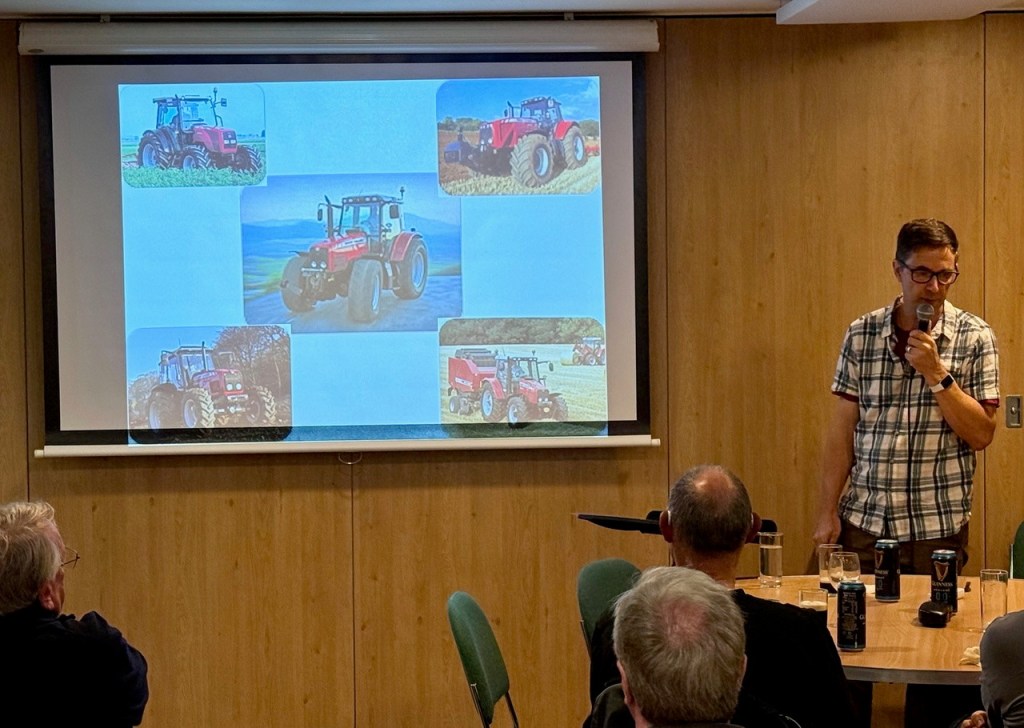
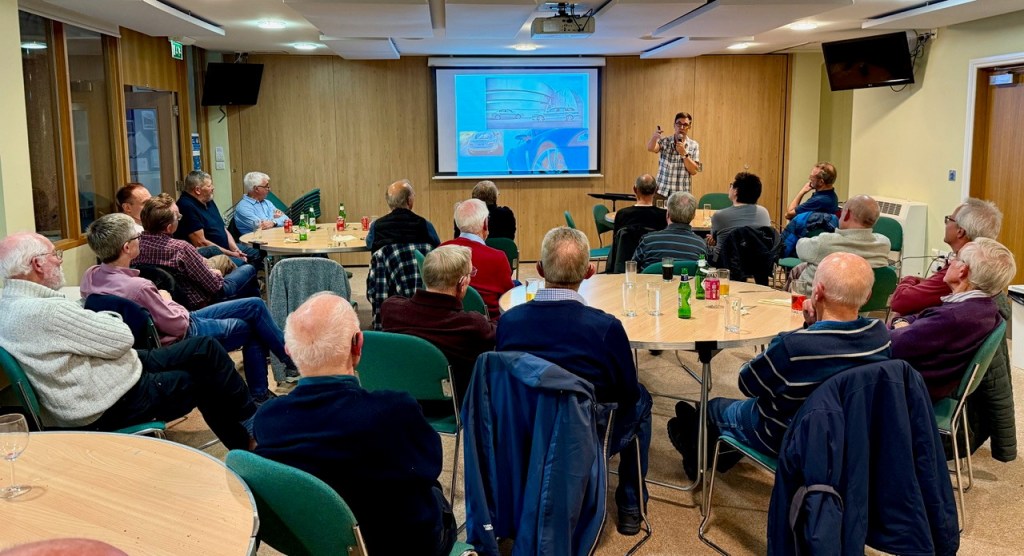
After the meal, Steve Kelly shared something of his faith journey and how it was impacted by growing up during the troubles in Northern Ireland.
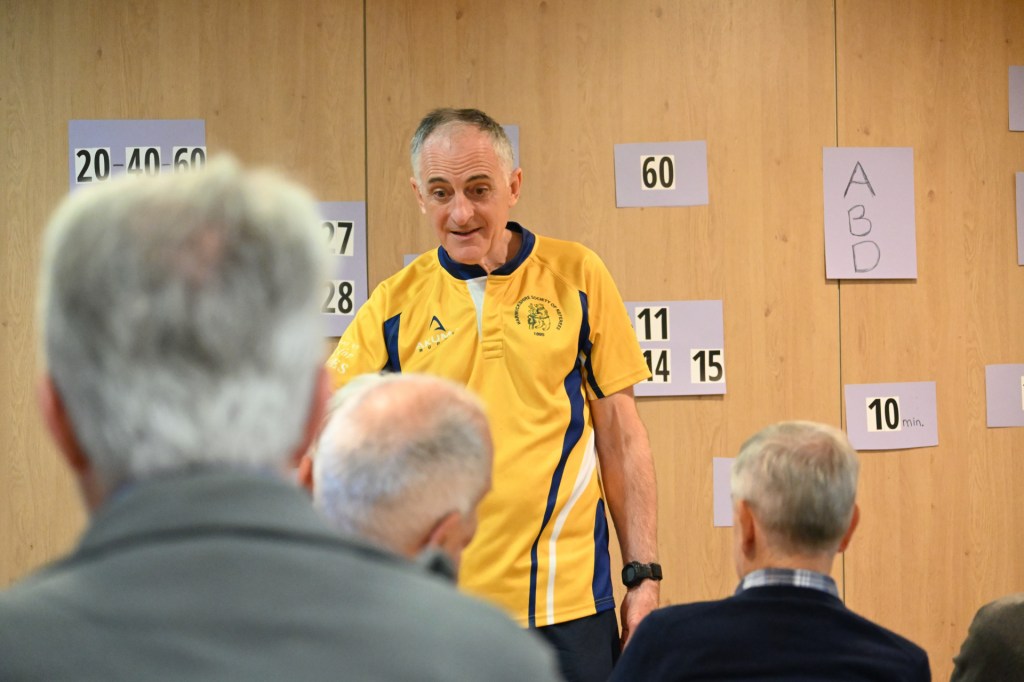
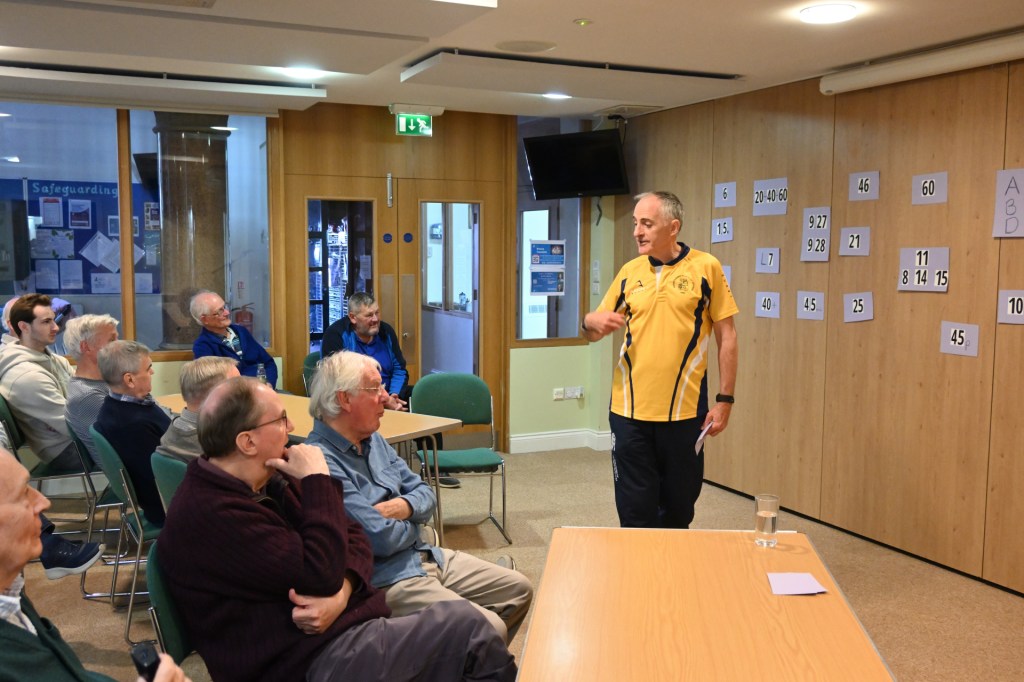
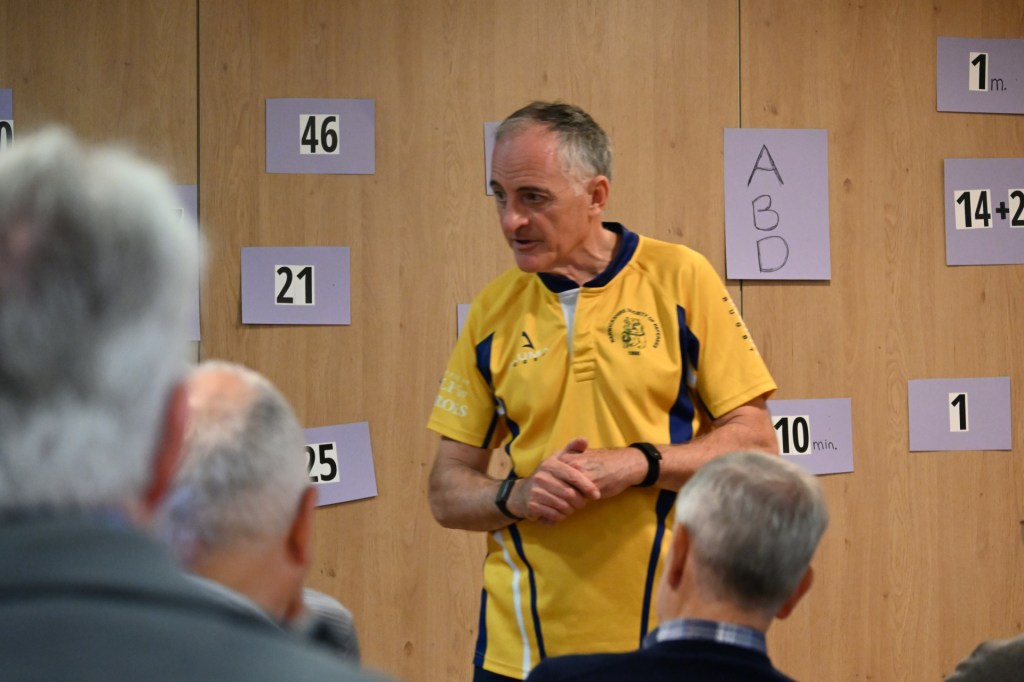
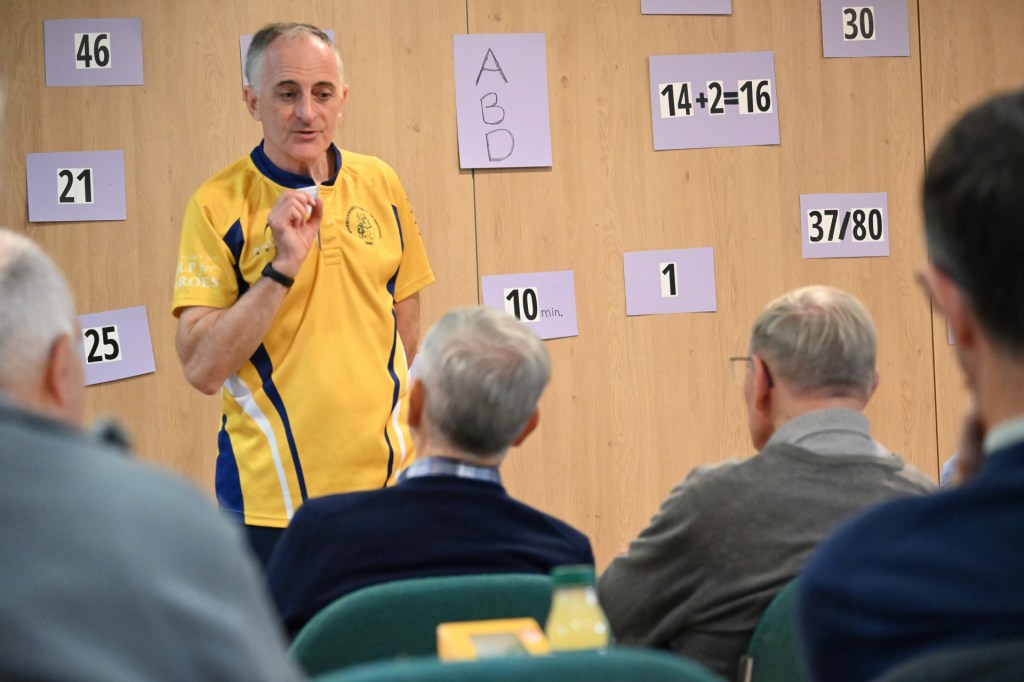
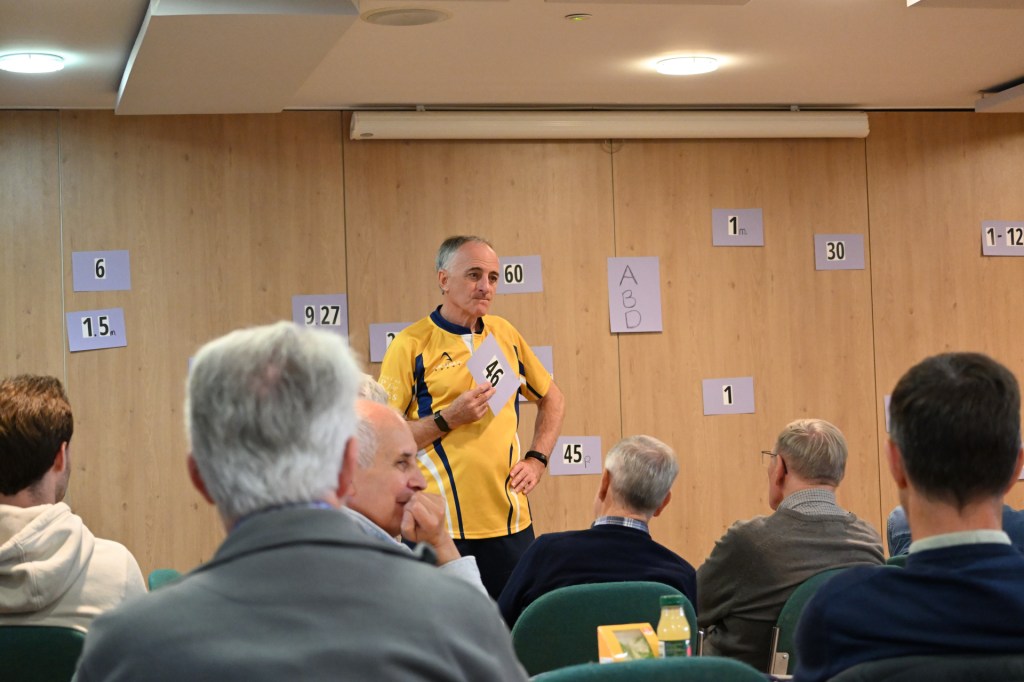
This month on Tuesday September 16th, the MIRTH Main Event welcomed James Shanahan. He was here to give a talk about his experiences as a community Rugby Union referee of 25 years standing.
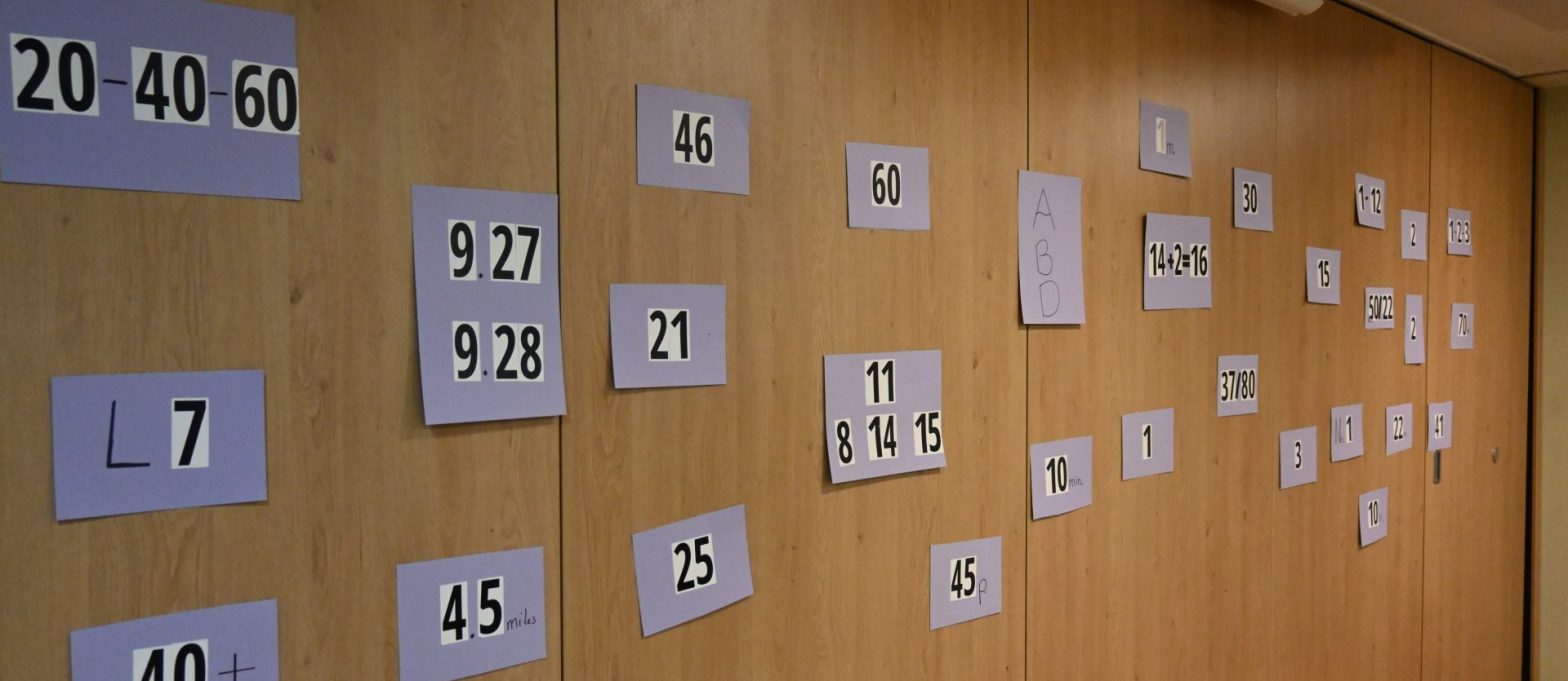
As James introduced himself, we all noticed a wall of numbers behind him. 20-40-60, 14+2=16, 15, 22 and so on. What did they all mean? We were about to find out!
The talk was set up in an interactive style with MIRTH members selecting numbers/sets of numbers and trying to guess what they related to.(They were all connected to rugby in some way!). Some of the audience were very knowledgeable, while others fell a little short!
James had a very relaxed but informative style of communicating and revealed that this was part of his style and ethos as a referee. His aim was to be firm but fair while always being clear that he was in charge on the pitch!
The numbers I mentioned earlier?
15 – number of players in a team
22 – the maximum length in metres allowed between the try line and dead ball line
14+2=16 – the number of flags visible at a rugby match, either as markers or being held by touch judges
20-40-60 – A fitness test including running these distances in metres between certain points.
At the end of the talk, there were still plenty of numbers left on the board.
Maybe James can return and let us in on a few more tales of ‘ Surviving As The Man In The Middle’.
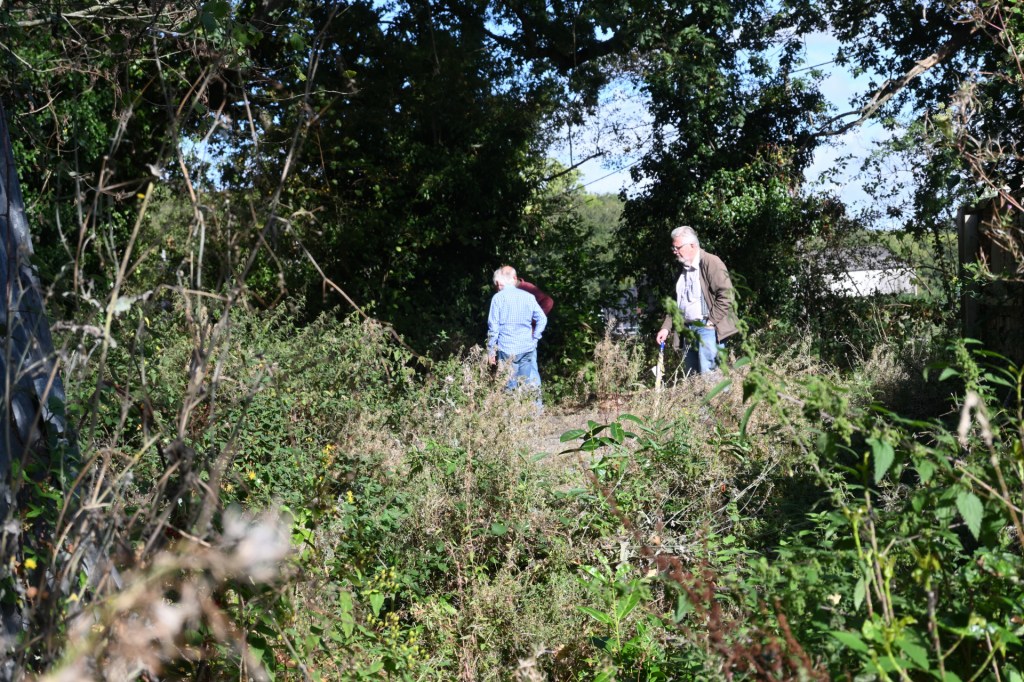
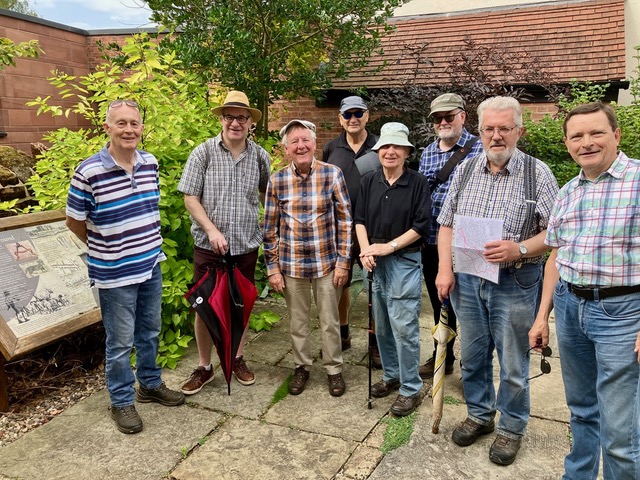
10 of us set off on a fine September morning for a walk around the Binley Woods.
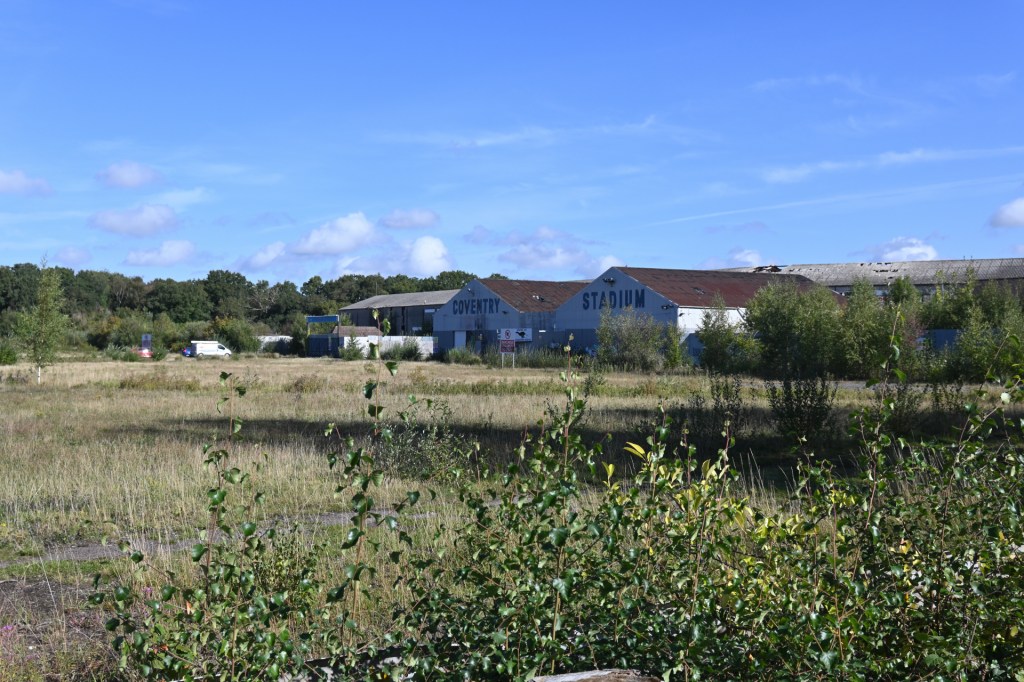
As we set off we passed the old Coventry Stadium, former home to dog racing and Coventry Bees speedway team. Today the site is becoming derelict, but they had obviously been notified that MIRTH was coming as security were patrolling with two rather fierce-looking dogs.
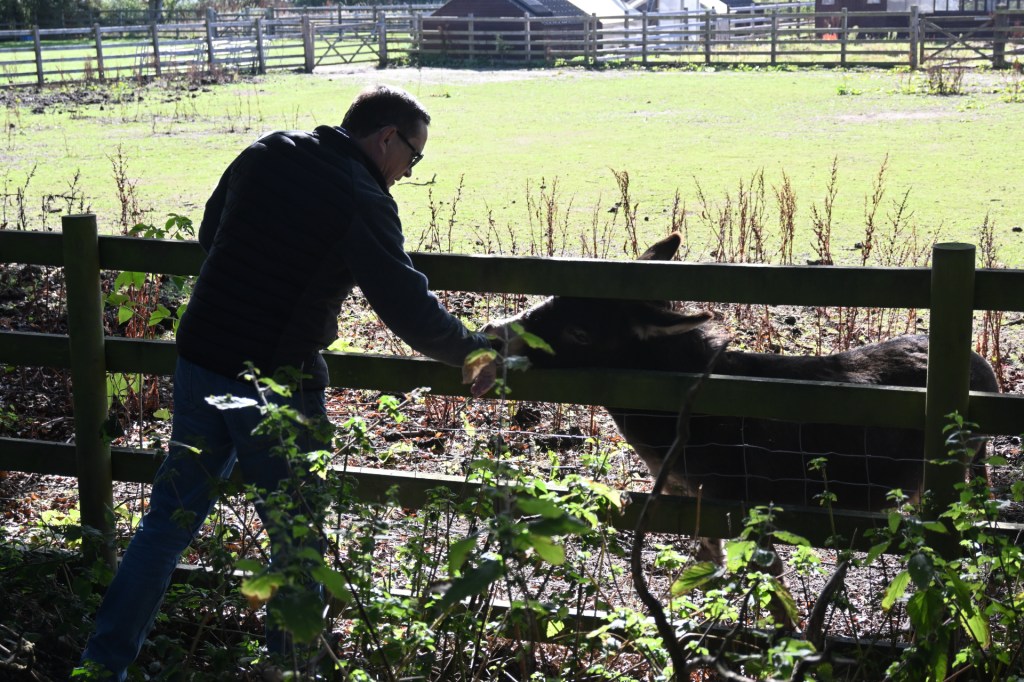
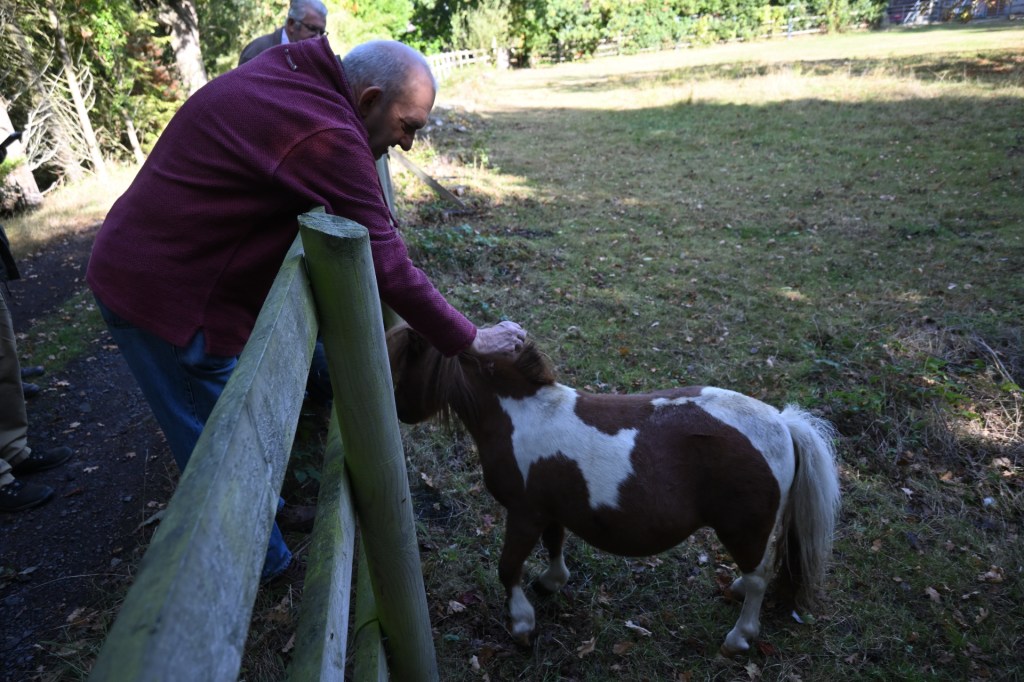
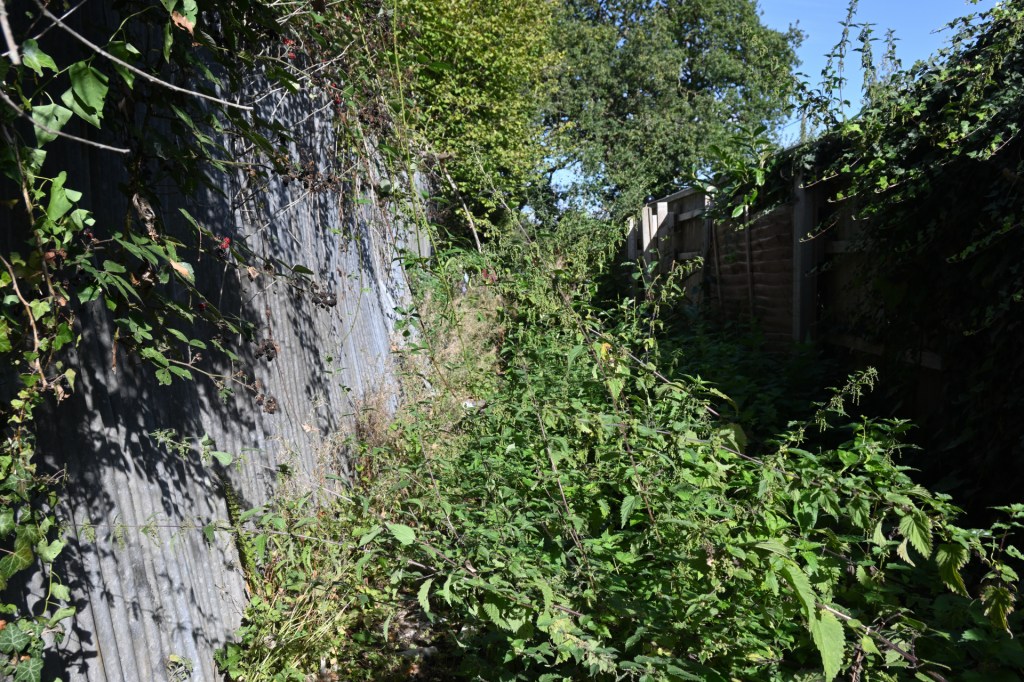
Soon, further down the lane, we were making friends with donkeys and a miniature pony. The walk then passed along the back of the stadium along a rubbish-strewn path between a house and a corrugated fence. At this point some of wondered if Richard knew where he was going.
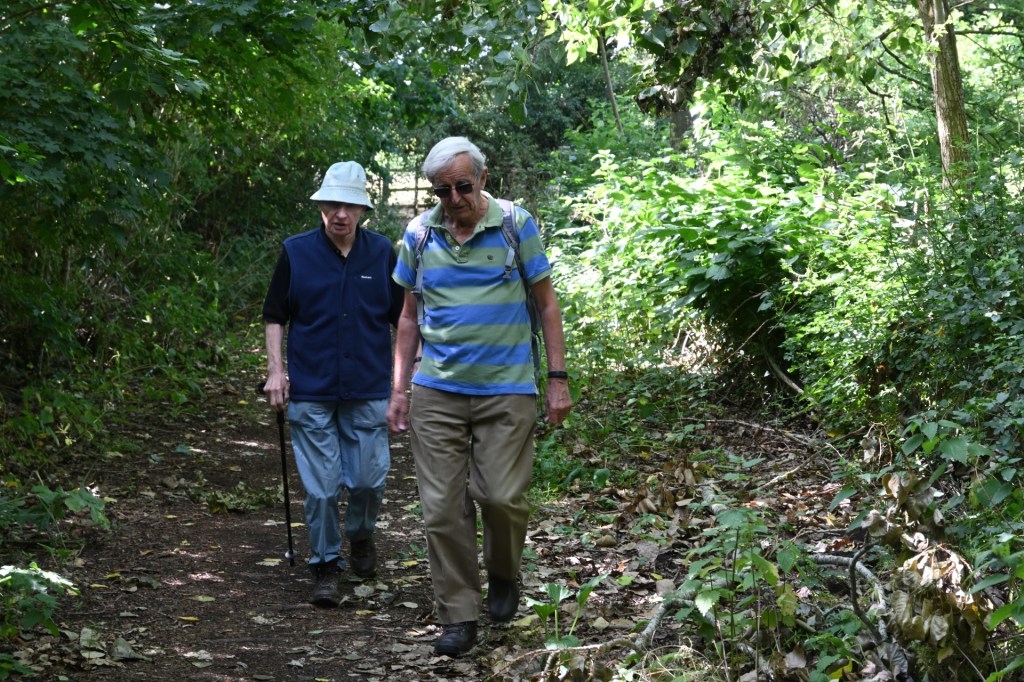
After this rather depressing part of the walk, we were back in open countryside and enjoying the warm early autumn sun. The last part of the walk was through the woods. This path through the ancient woods was as straight as an arrow and lead us back to our cars. After our walk we retired to The Roseycombe for a good lunch.
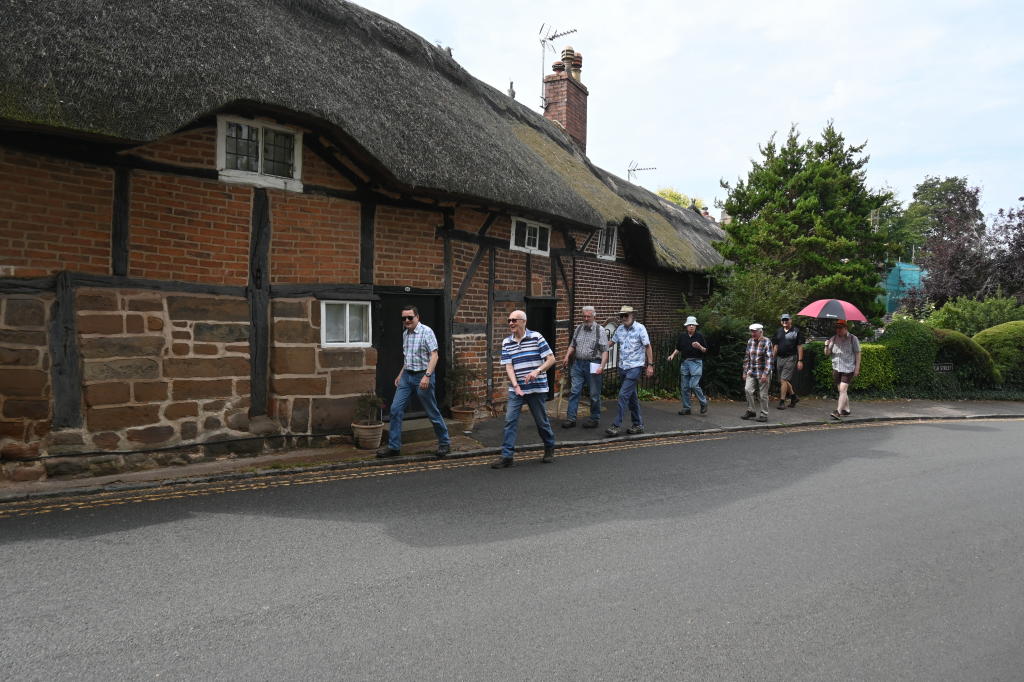
This Kenilworth walk had a specific exploratory aim. But before we got to that, our nine walkers were impounded! Yes, we found ourselves in the Kenilworth pound, where stray animals were kept until their owners claimed them – or they were sold off by the pound keeper to pay his expenses.
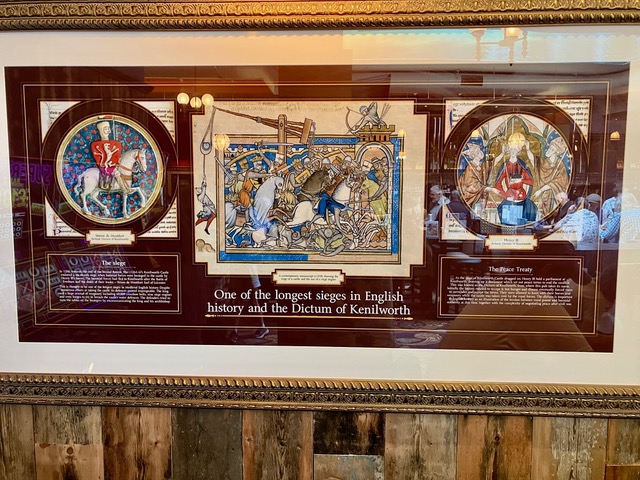
Once liberated from there, we found ourselves on Parliament Piece Local Nature Reserve, where Henry III is said to have held his parliament in August 1266 in an attempt to bring to an end the Second Barons’ War (1264-67). The baronial forces had fled to Kenilworth Castle after the Battle of Evesham and the death of their leader Simon de Montfort. There they endured a six month siege – reckoned to be one of the longest sieges in Medieval English history. The King’s Parliament had a document drawn up which on 31st October 1266 set out peace terms to end the conflict. This document was known as The Dictum of Kenilworth. The barons eventually surrendered on 14th December 1266 and accepted the terms of The Dictum. Some 758 years later, Tim Martin was inspired by that document – but we’ll come to that later …
As we walked back from the Greenway towards the town, we passed the St Barnabas “tin tabernacle”, built in 1886 and one of very few left standing in England. It is at 145 Albion Street and is part of St Nicholas’ parish. The fellowship is very active and known for their hospitality.
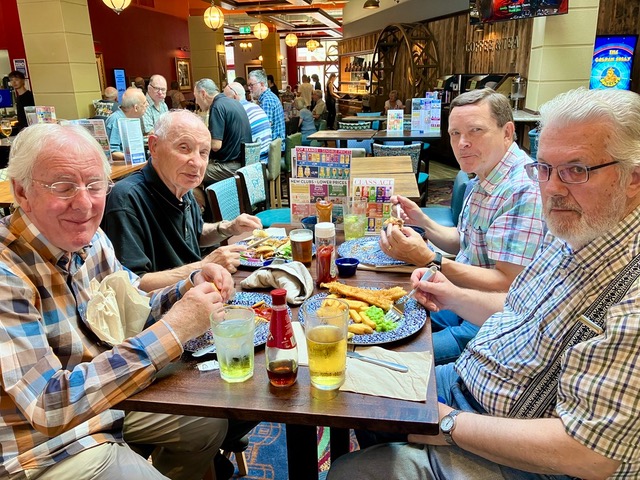
We pulled ourselves away and walked onwards towards our ultimate objective: lunch at The Dictum of Kenilworth – the newly opened Wetherspoons pub at 18-24 The Square, Kenilworth (where Poundland was). Wetherspoons afficionados know that Tim Martin (the owner) likes to name and theme his pubs based on significant local features and/or history. So what a good choice for Kenilworth! And what a good pub too – great staff, amazing range of drinks, good food served really quickly quickly, and excellent location. Well worth a visit (especially now that the crazy crowds of the first week or two have settled down). A number of mirthers and family members have visited already and all have sung its praises. See you there perhaps …?
It’s always heart warming to rock up at The Old Smithy in Church Lawford to meet up with fellow peripatetic old codgers (9 of us this time).
But this month’s walk was not a normal one in three ways. Firstly a shock to the natural progress of time. Secondly a drop in the MMI. And thirdly a welcome return of a pelagic favourite.
What was the shock you ask? Well for some of us the appearance of Pete C a full six minutes before the scheduled departure time hinted at a break from the natural order of things.
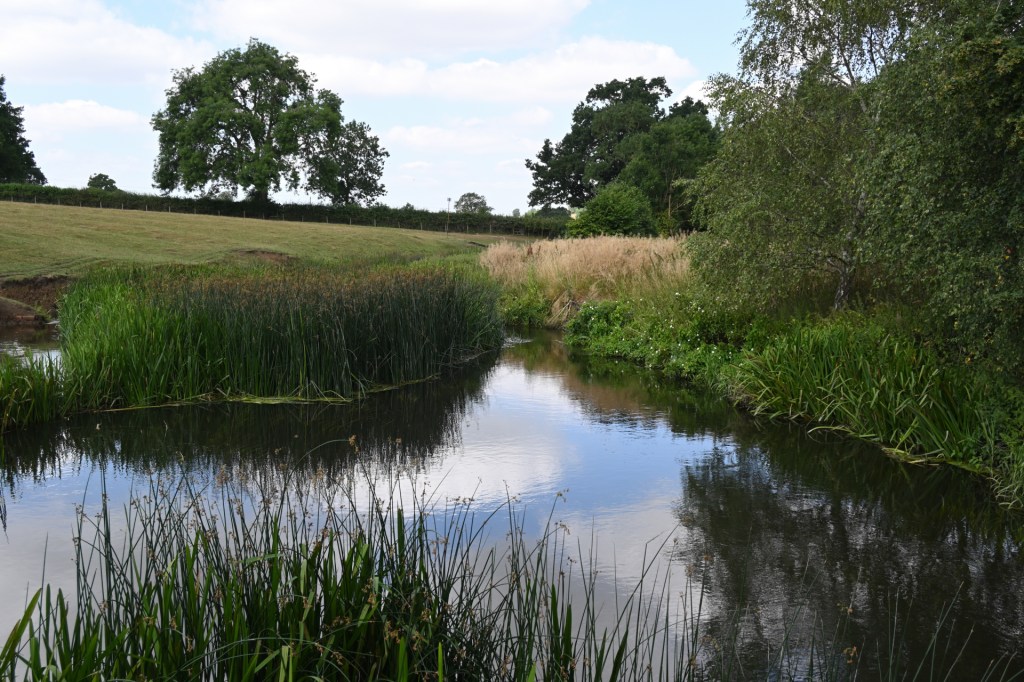
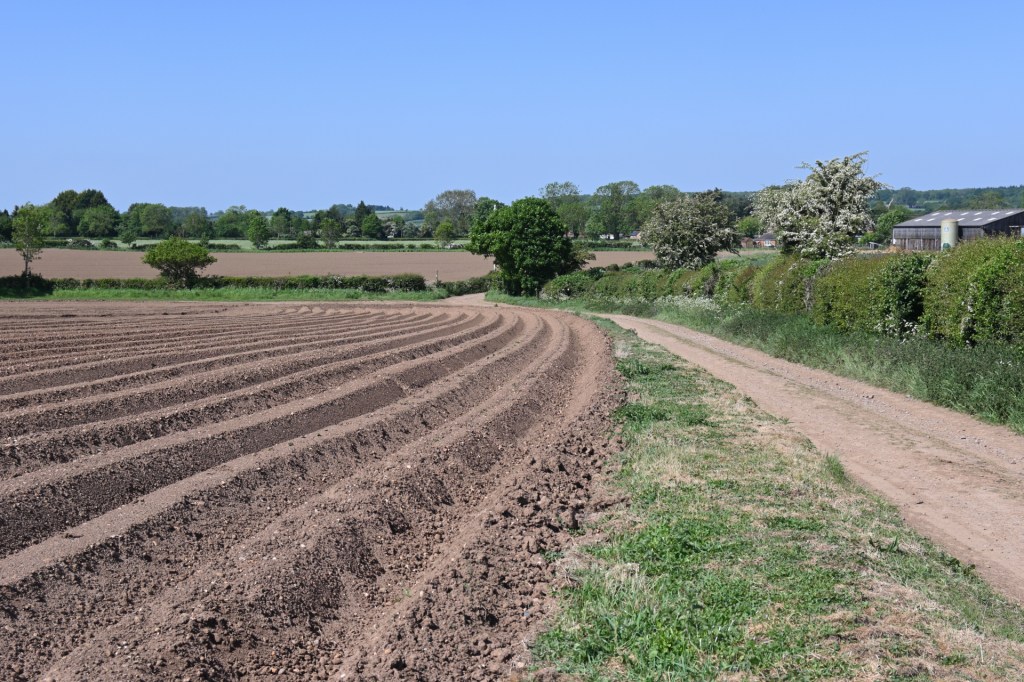
Off we set and already a couple of codgers were thrown by the walk being conducted in a clockwise direction – which they found quite disorienting. On we walked through the beautiful, sun-blessed fields with their attractively coloured crops – including potato plants which so covered our path at times that they threatened to trip us up.
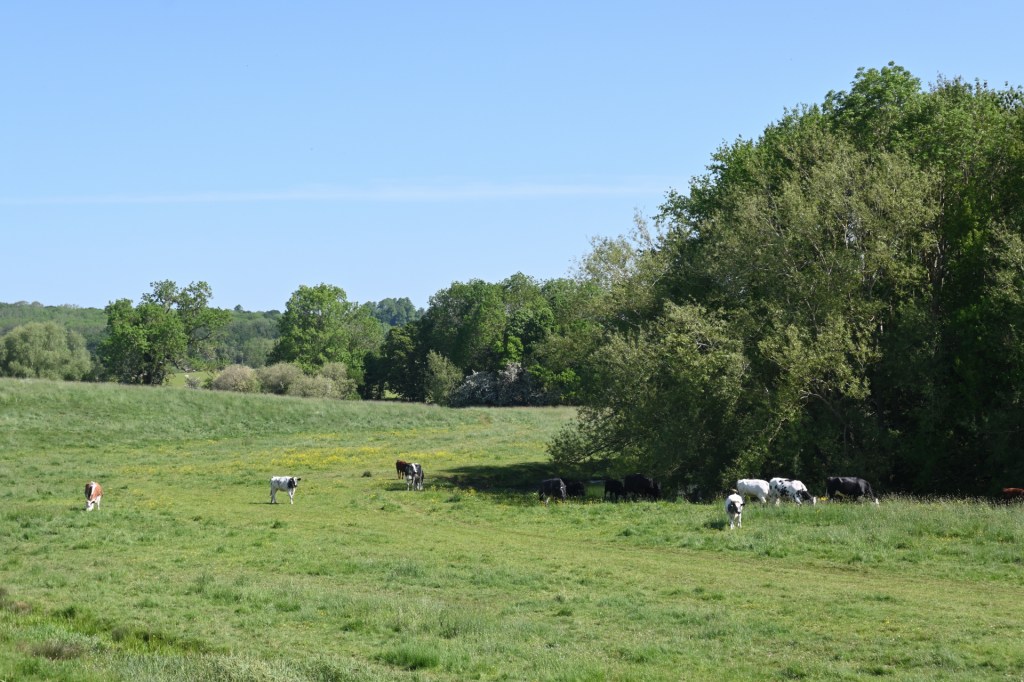
All went well … until it didn’t. We came to a corner of a field which we knew all too well. And recognised as a clear indication that we had missed a key turn into another field wherein lay our path. Much discussion ensued. Maps were consulted. Runes were read. But no immediate solution was forthcoming. It was at this point that some of us realised that we were suffering a severe drop in the MMI – i.e. the Mirth Memory Index. Eventually order was restored and we found ourselves in that field wherein grouped a small herd of young bullocks – who looked rather too interested in us! Fortunately they did not come too close and let us go on our way.
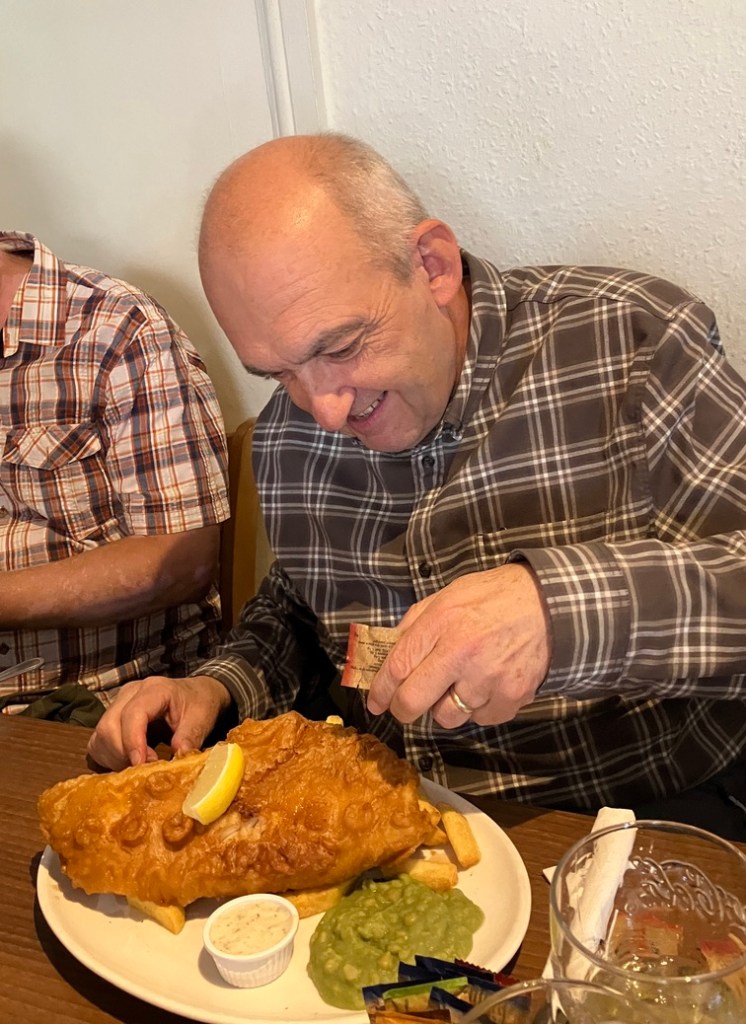
Which took us to lunch in The Old Smithy. Which was where we had the joy of seeing Terry’s face light up as he welcomed his old oceanic friend Moby Dick – and proceeded to eat one of the largest fish & chips in Warwickshire. A very satisfying end to another excellent walk – with thanks as ever to Richard.
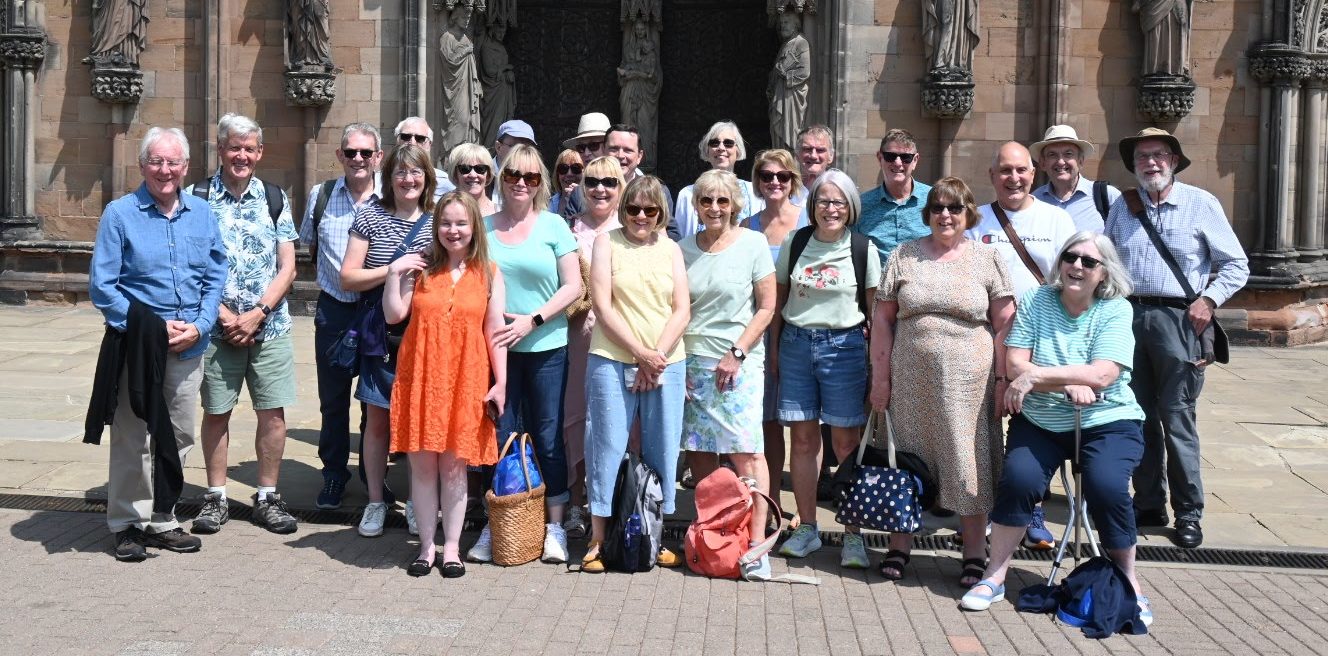
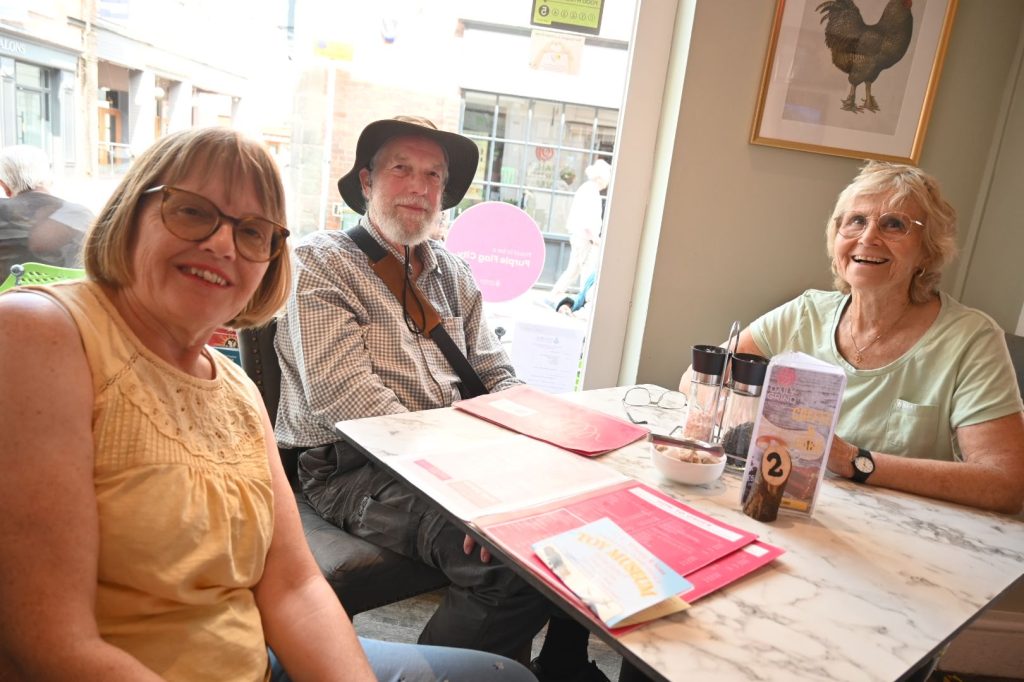
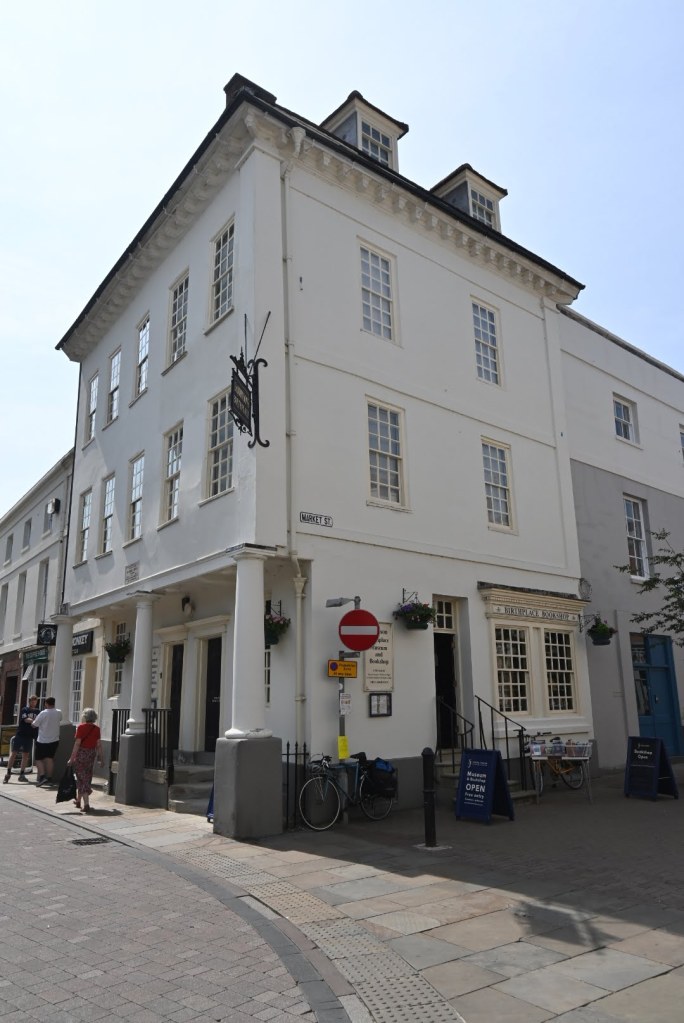
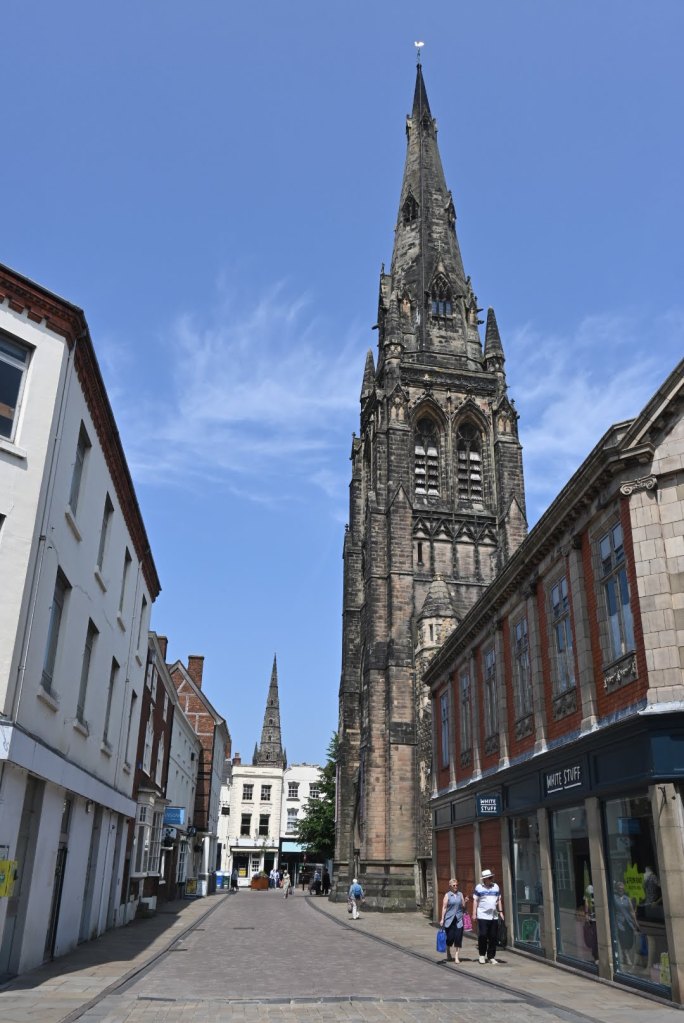
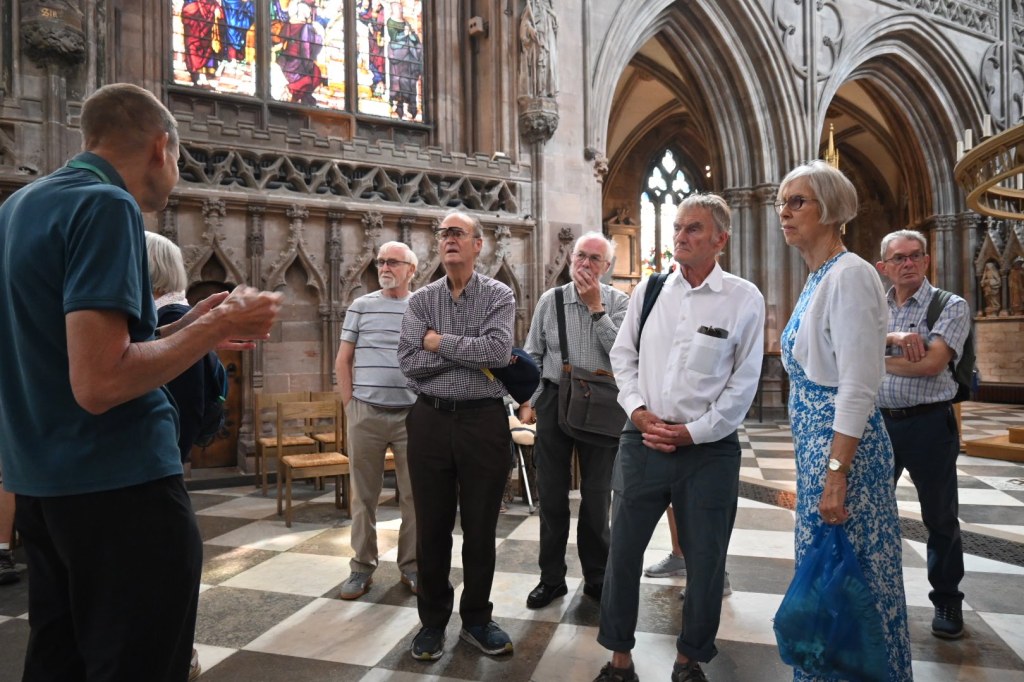
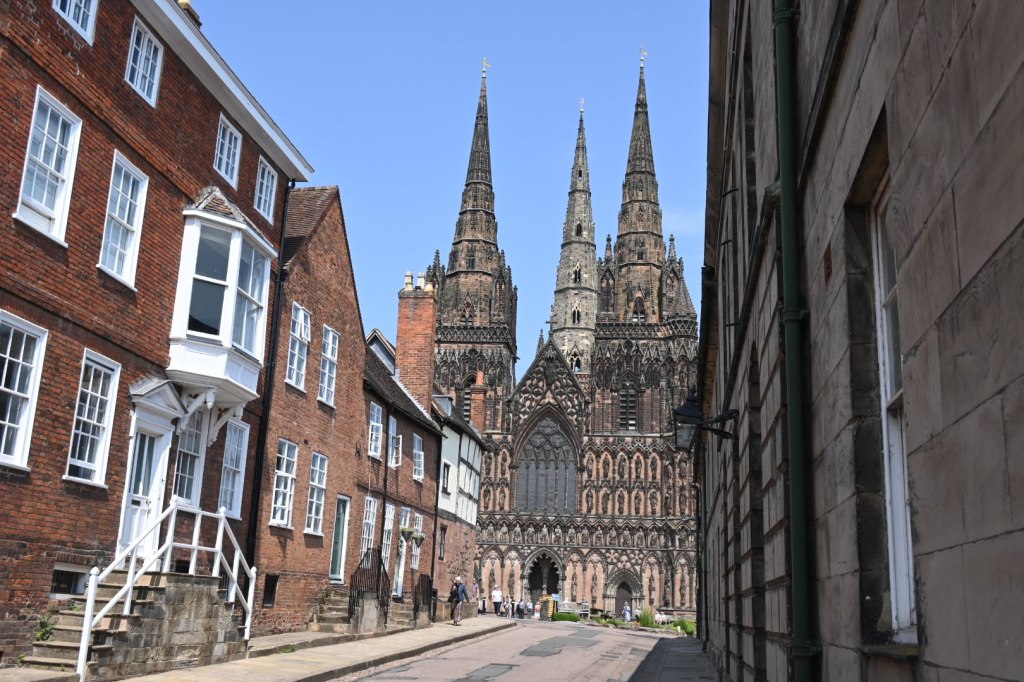
At 9.01am on Tuesday, 17th June, our luxury coach pulled away from St Paul’s for the start of a great day out. The coach was filled with 36 guests, many of which had never been to the Staffordshire city of Lichfield before. Conversations broke out with people catching up with friends. The most common theme was on what people hoped to get out of the day. At just after 10 am we disembarked into bright sunshine in the city centre.
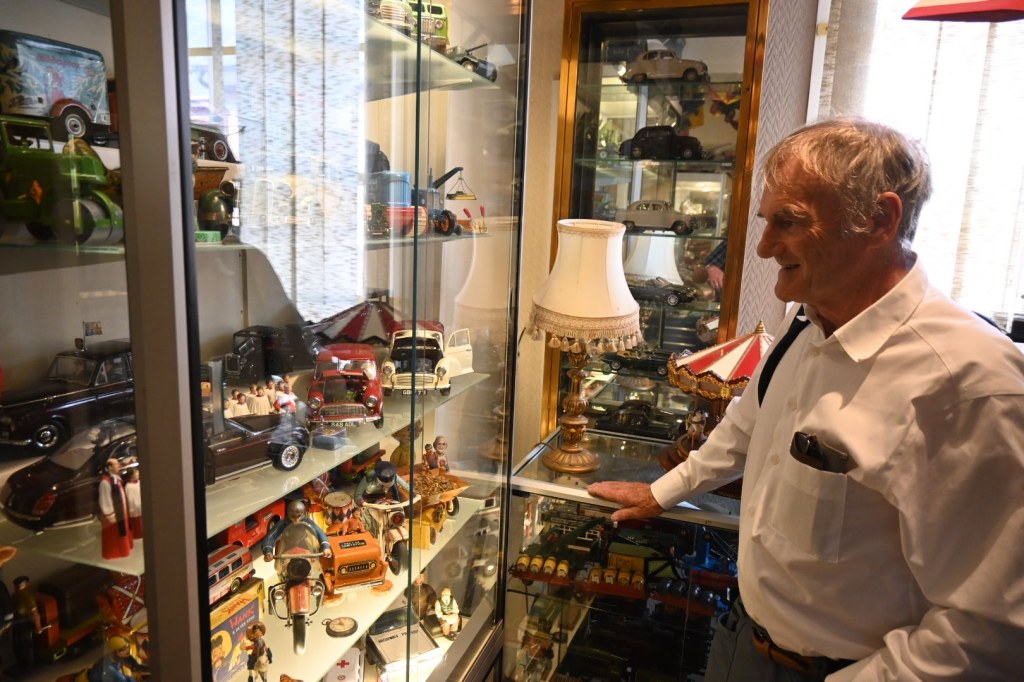
A Private guided tour of the Cathedral was booked for 1.30pm so most people set out to boost the local economy in various coffee shops, restaurants, ice cream vans, shops and pubs. The Samual Johnstone and Toy museums were popular morning destinations.
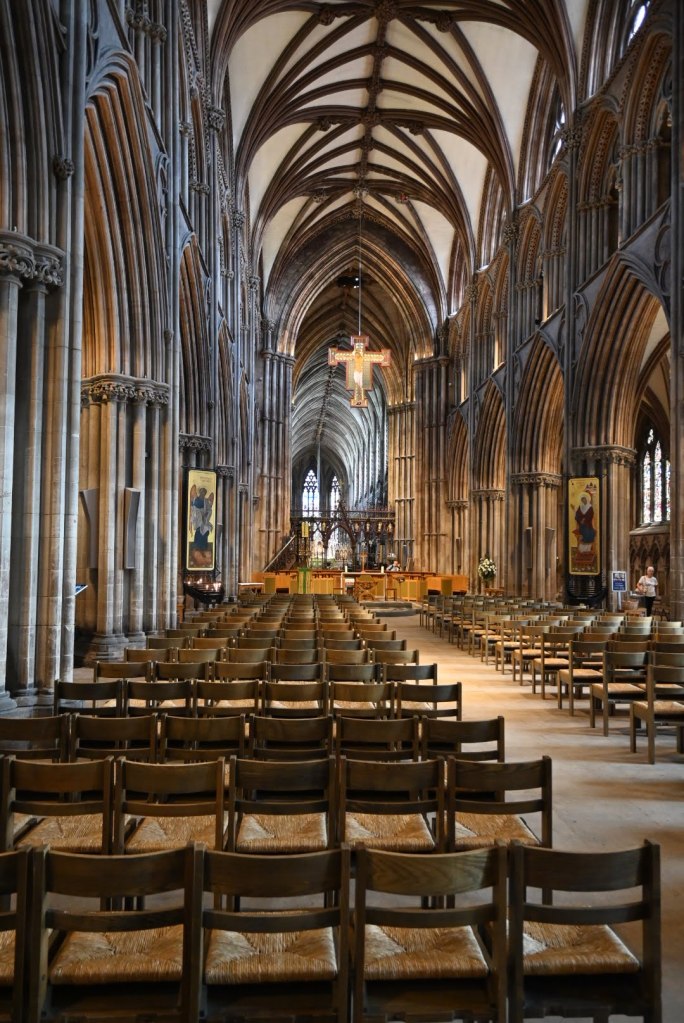
When the various groups started to congregate at the Cathedral ready for the tour an atmosphere of relaxed joy was discernible. John and Neil were excellent guides that brought to life the Cathedrals history and architecture.
Once the tour was complete the Erasmus Darwin museum proved very popular as did the Ice Cream parlour in the park!
On the return journey to St Paul’s the coach was filled with animated and joyful conversation as people recounted the many highlights of the day. The sun shone and we all had a great day in Lichfield.
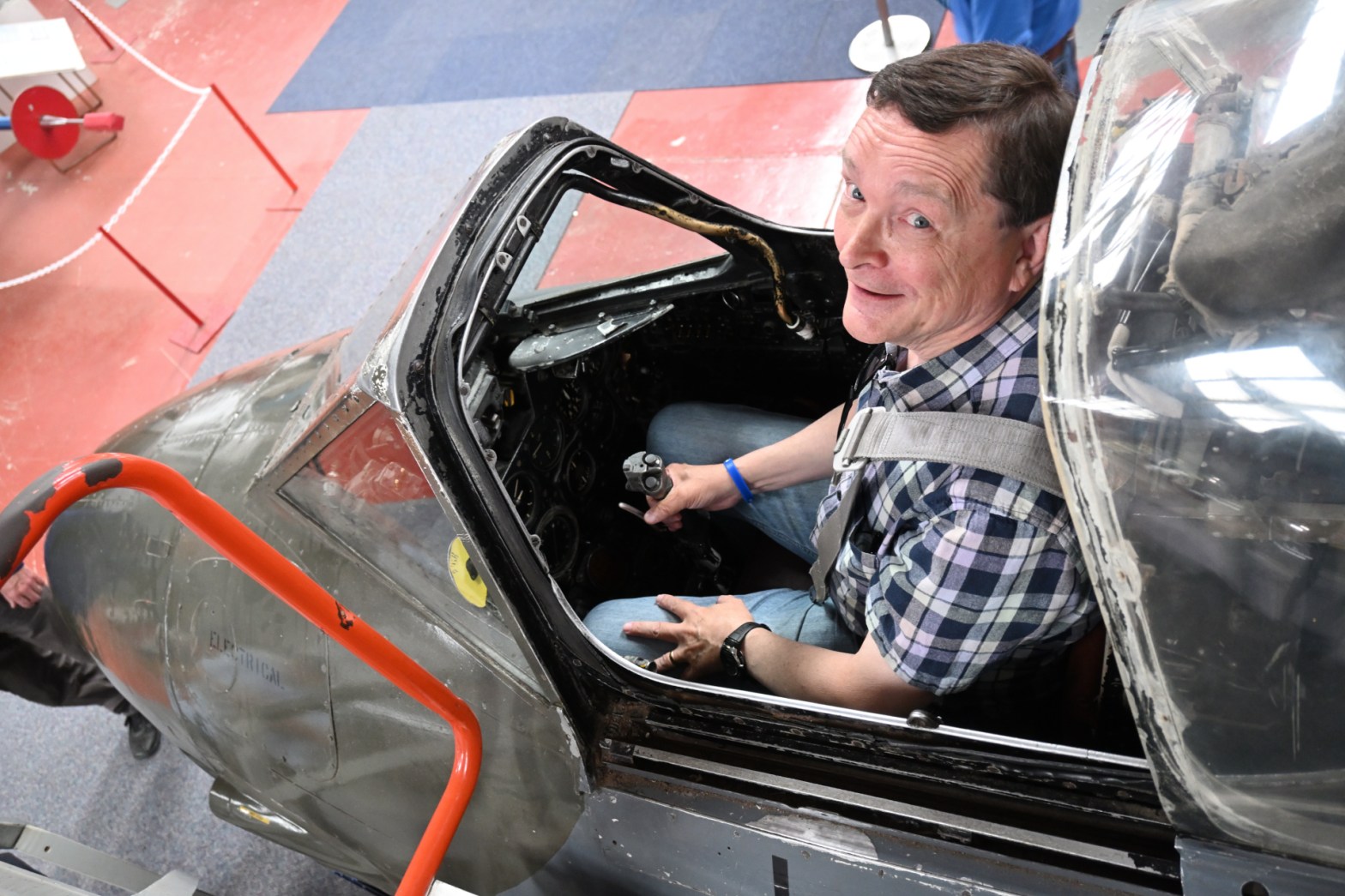
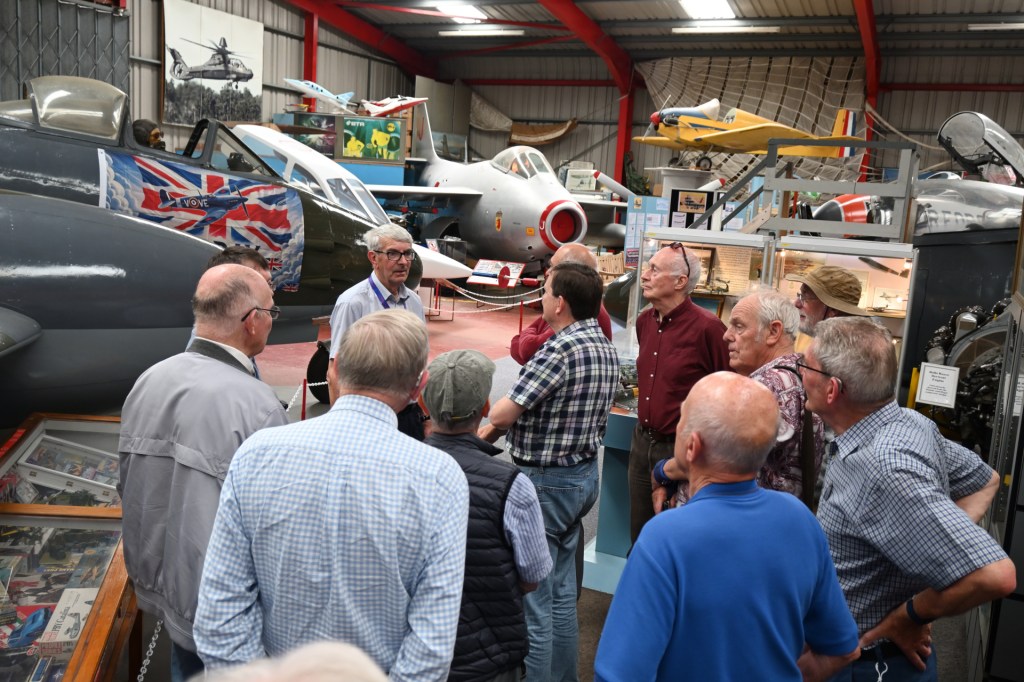
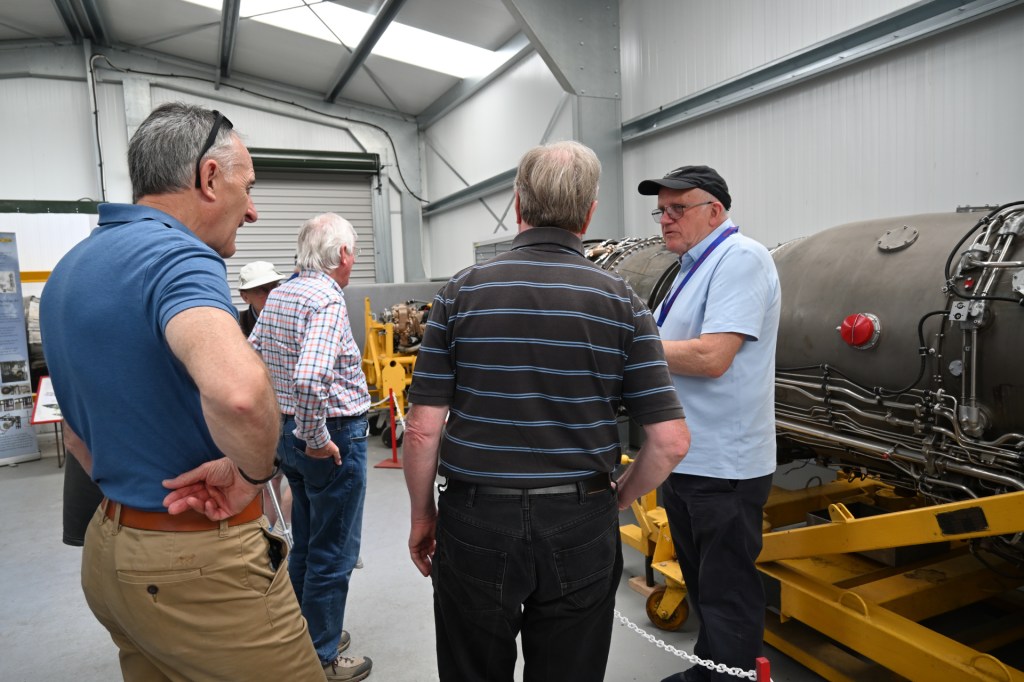
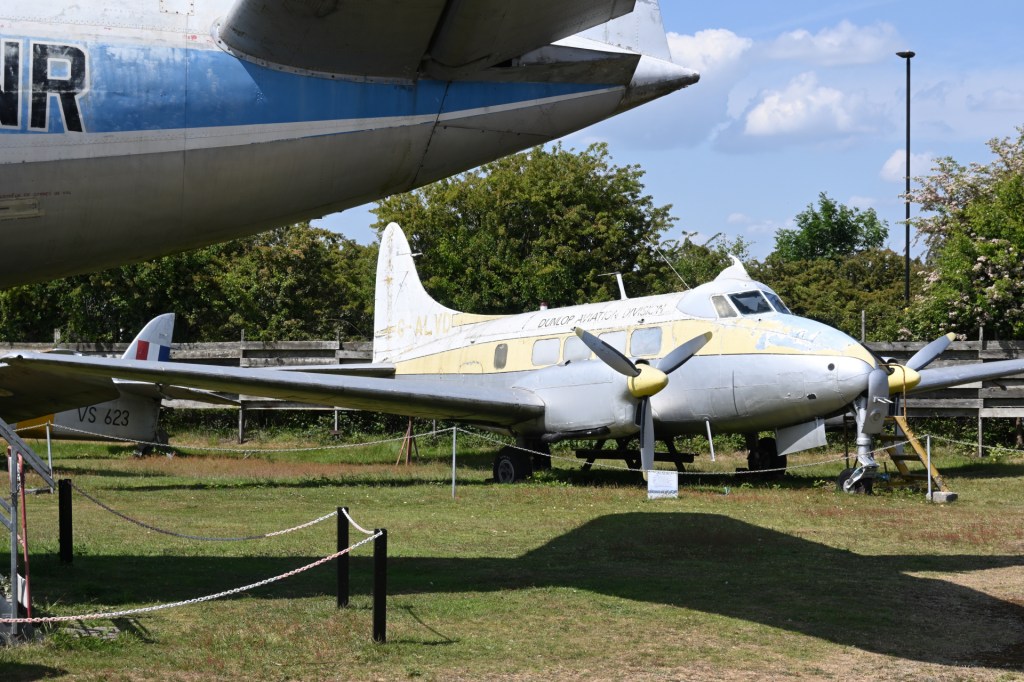
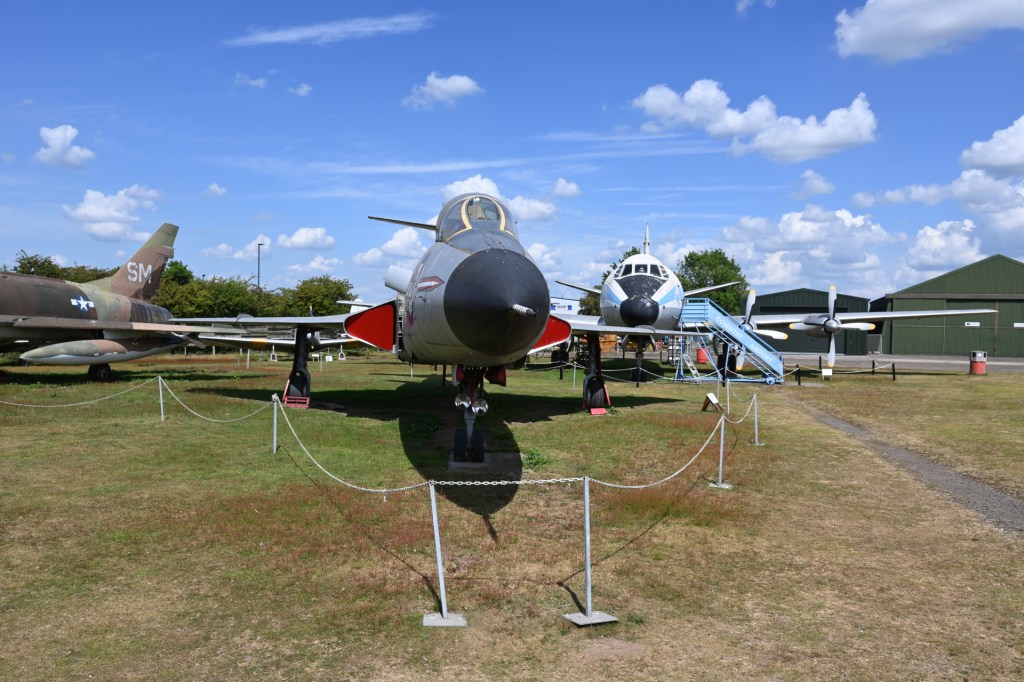
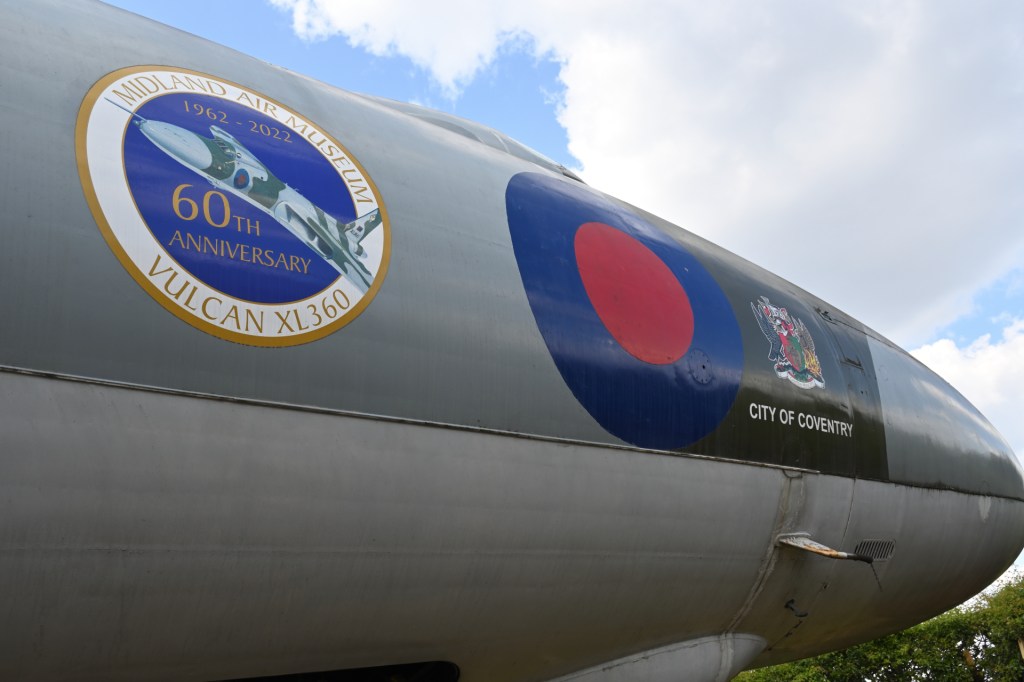
The Mirth Main Event for May was a trip to the above museum, located near Baginton, just outside Coventry.
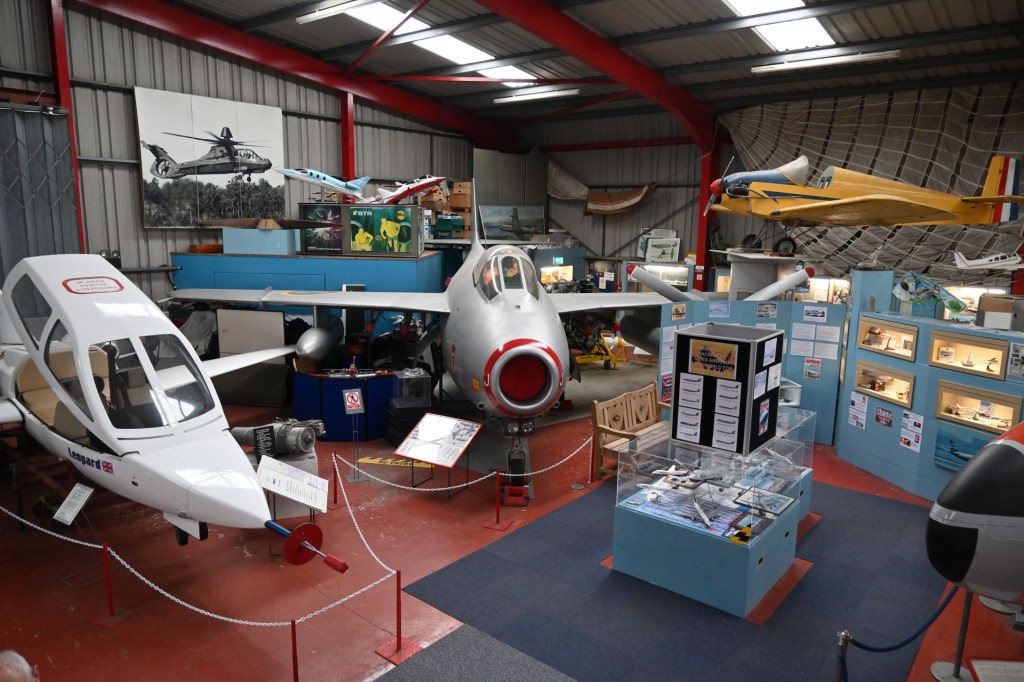
After a very convivial lunch at the Baginton Oak nearby, some twenty Mirthers enjoyed a tour of the museum, with its extensive collection of aircraft, engines, artifacts and memorabilia. Our two tour guides were very friendly and knowledgeable, fielding a wide range of questions.
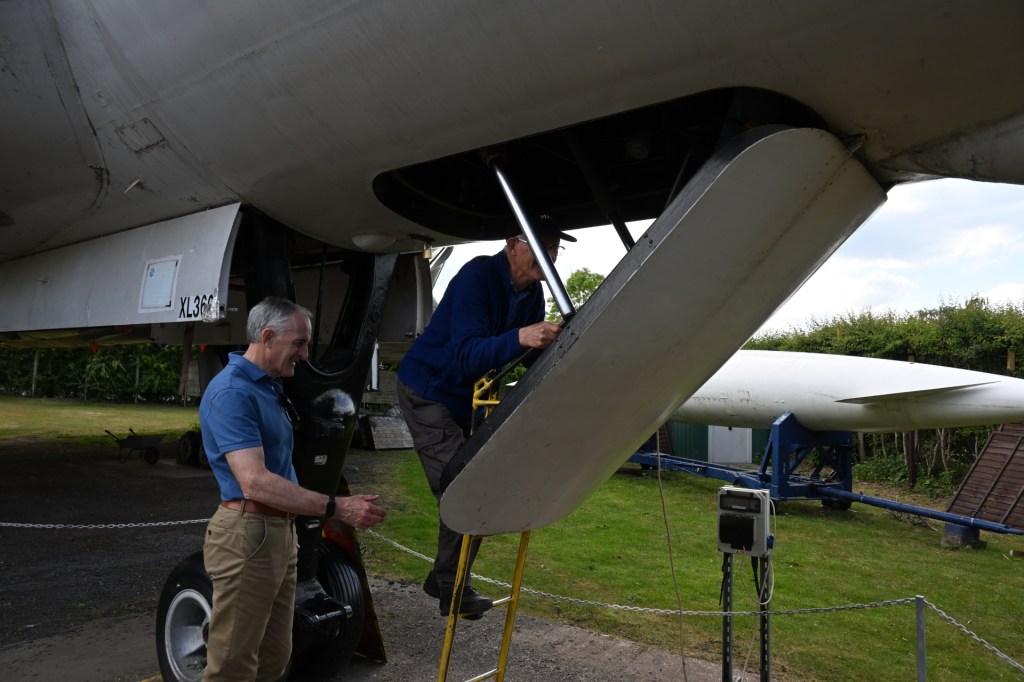
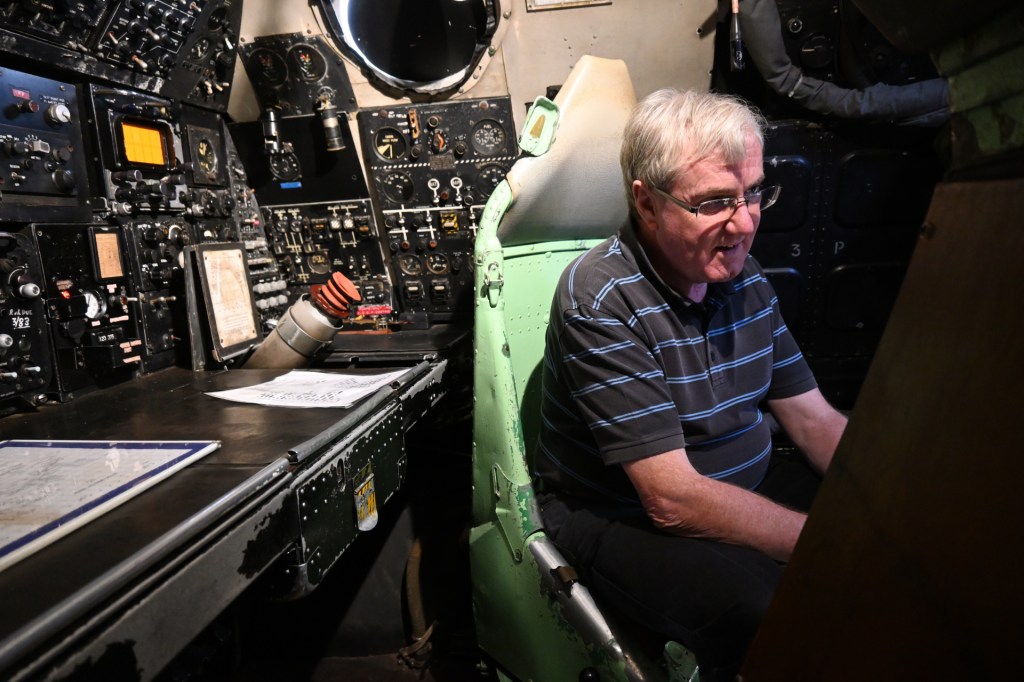
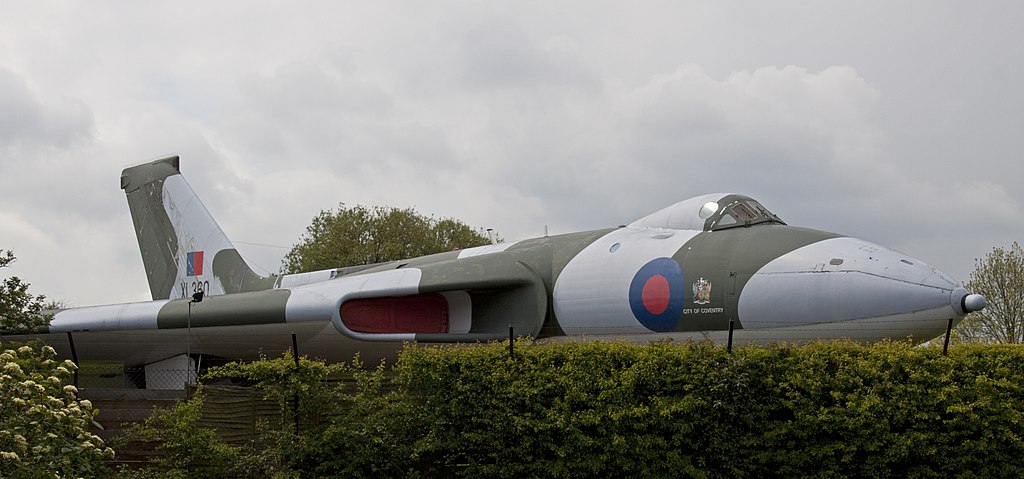
Many of the group were sufficiently intrepid to brave the difficult climb into the cramped cockpit of the mighty Vulcan bomber, to learn about its role in the Cold War and to learn about its systems and equipment, even where you stored your hot drinks!
The Museum highlights the many links with local industry, and several members of Mirth had connections to the aircraft industry during their own working careers.
There was so much to see and learn about, that several of the attendees were still looking around at closing time. We even learnt what a “Jesus Nut” is!”
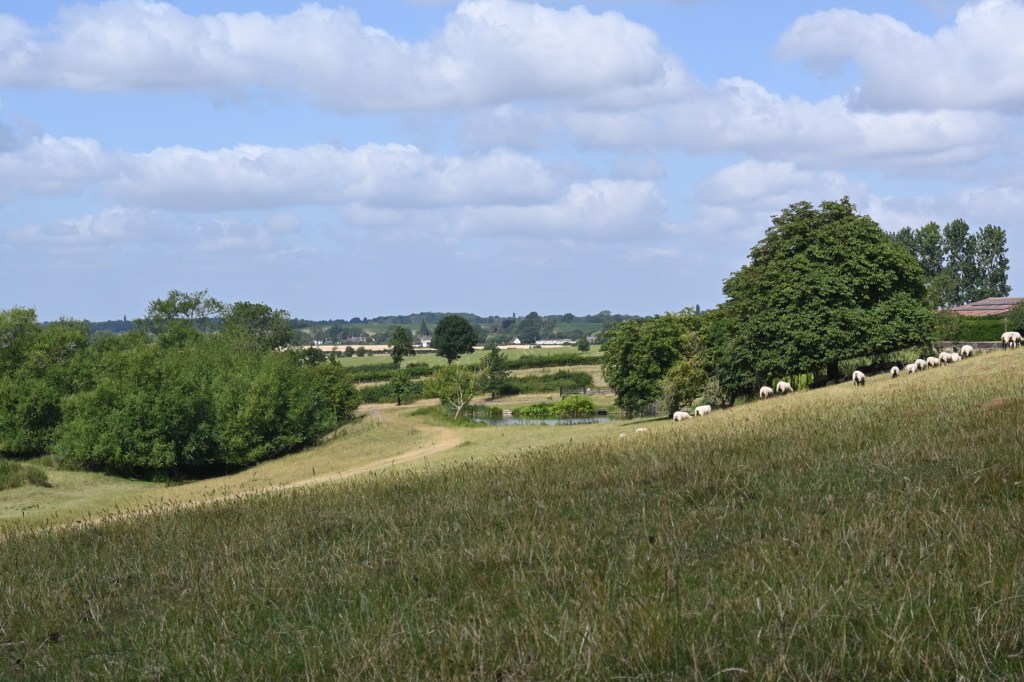
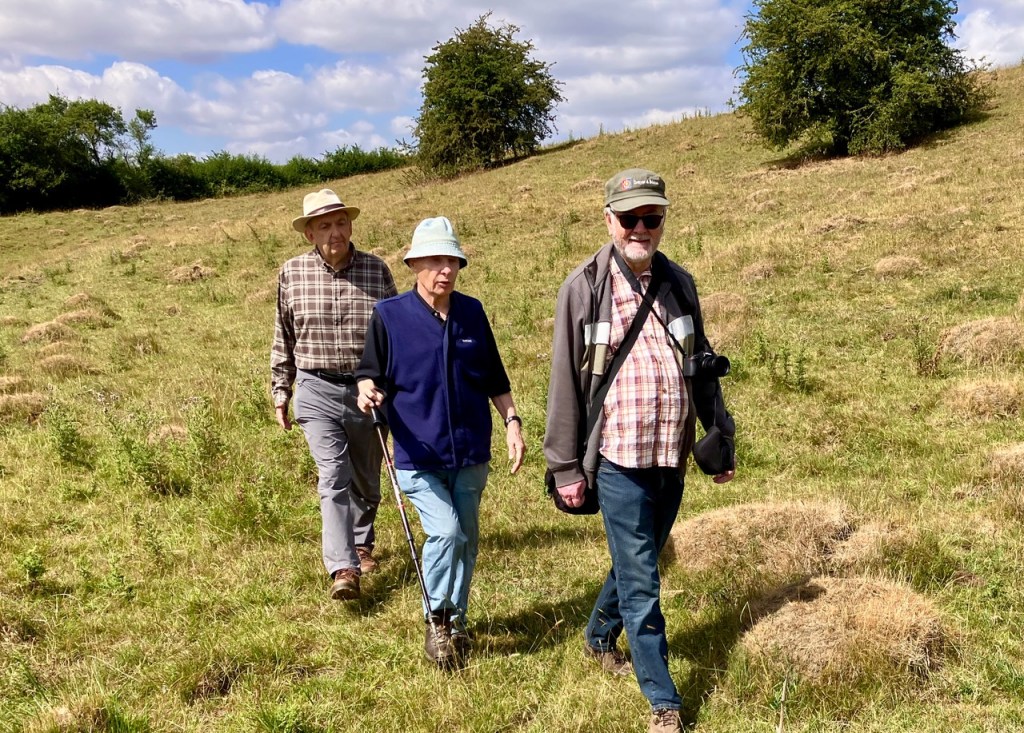
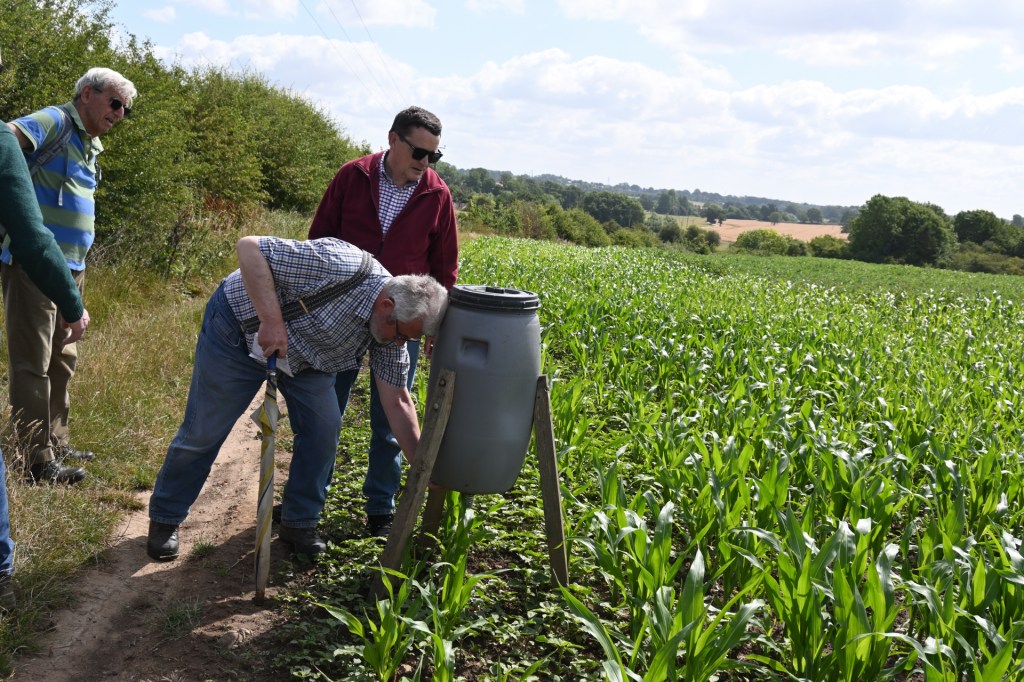
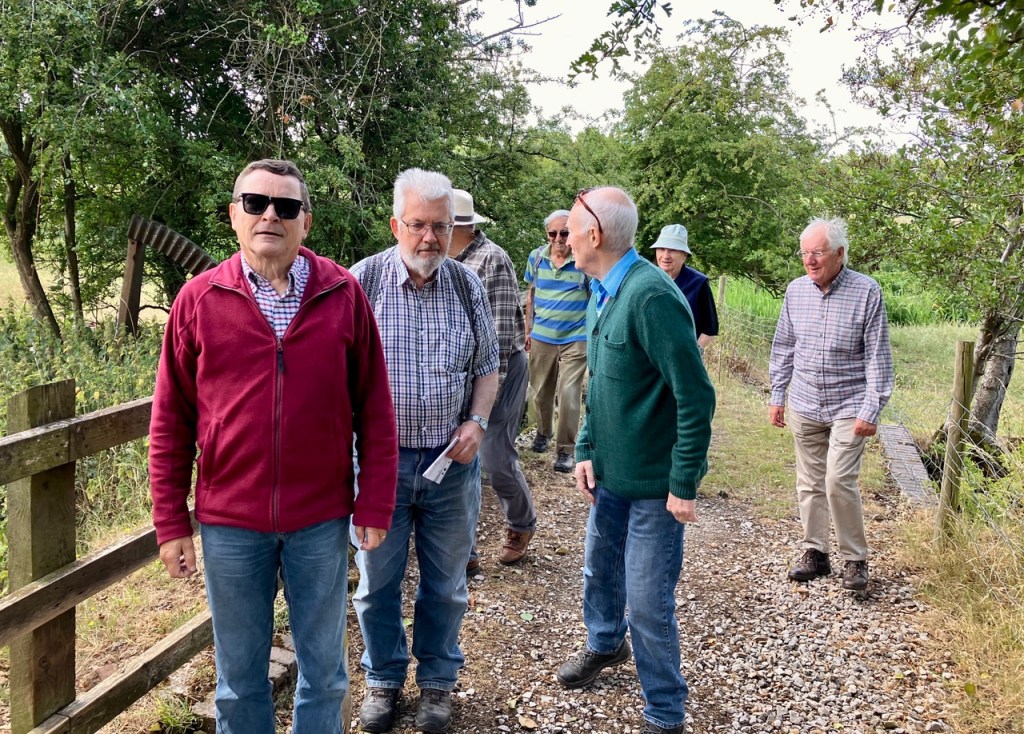
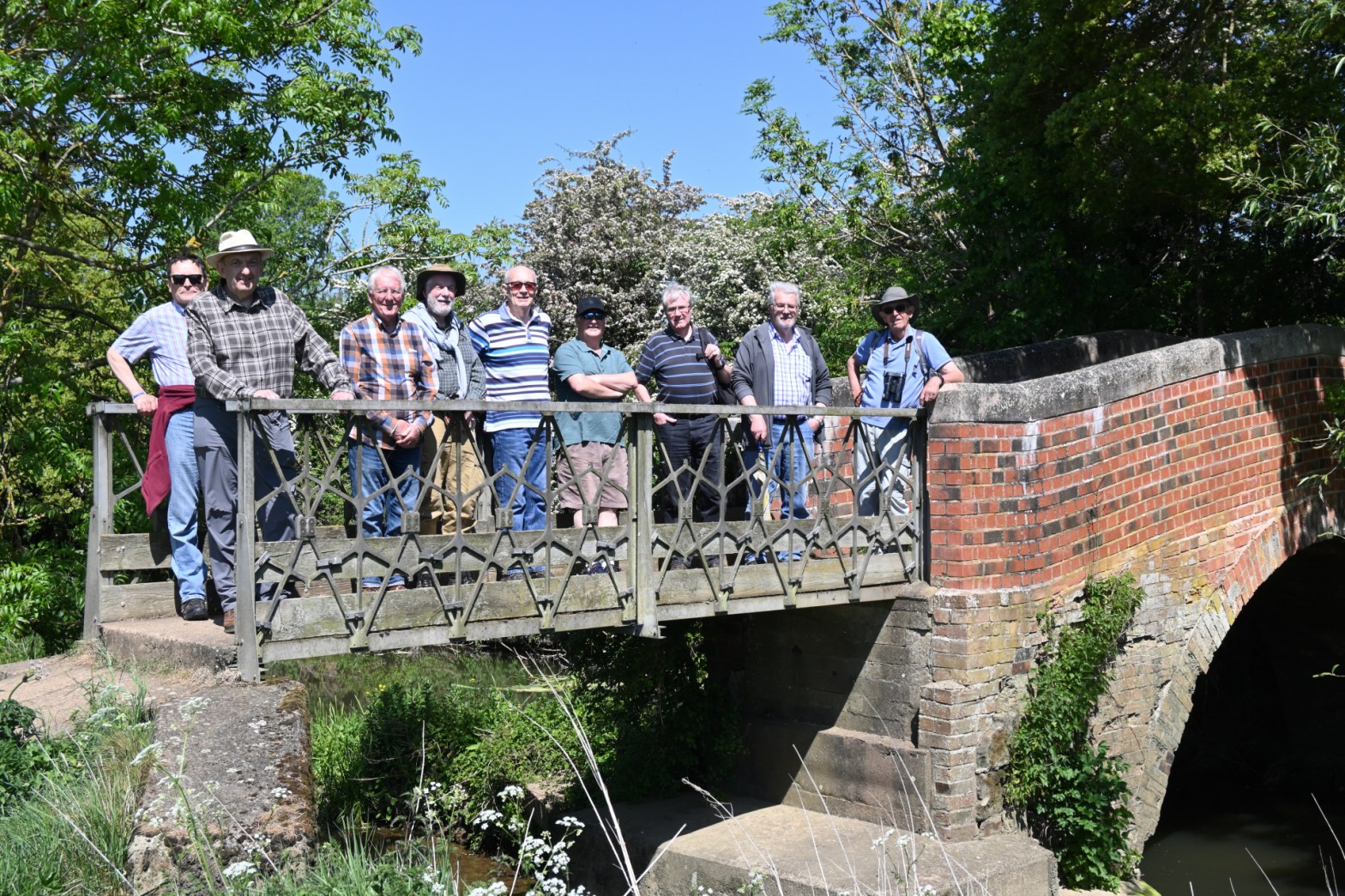
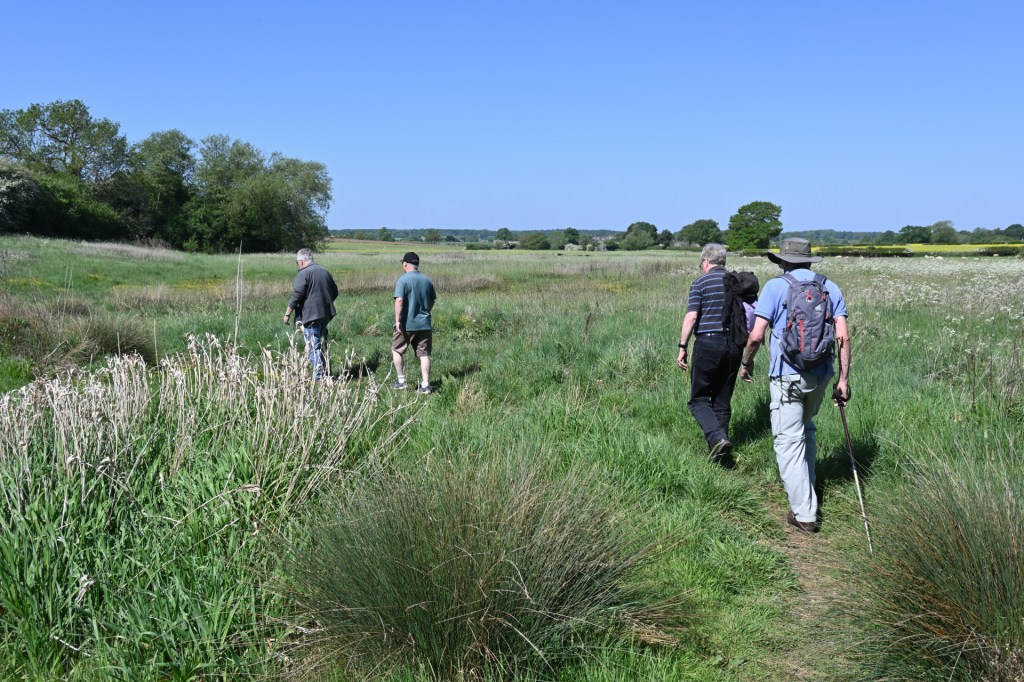
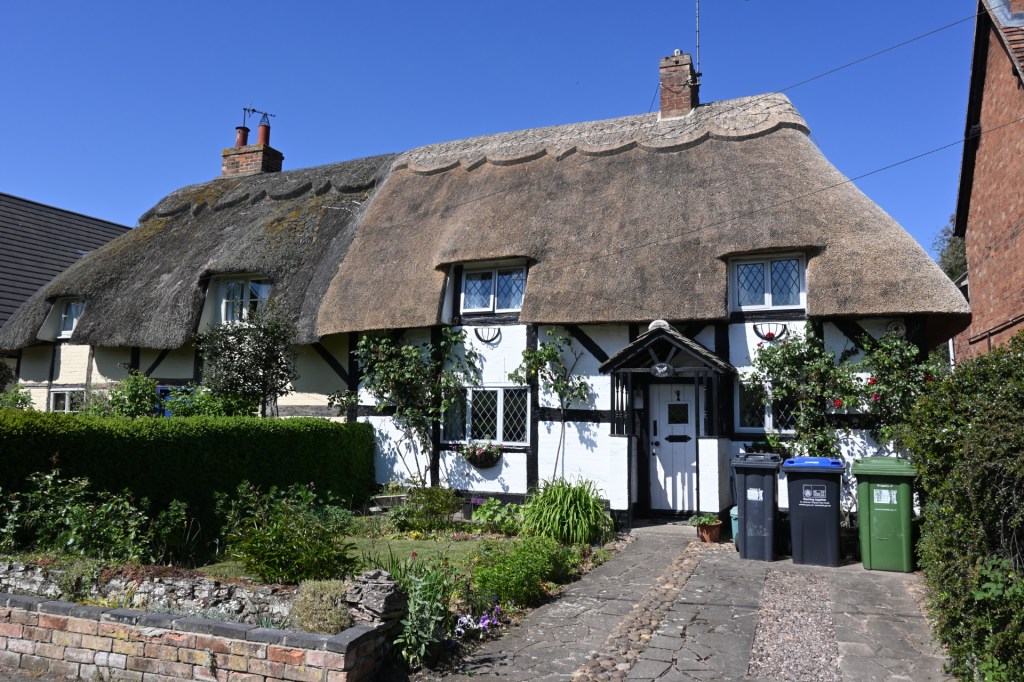
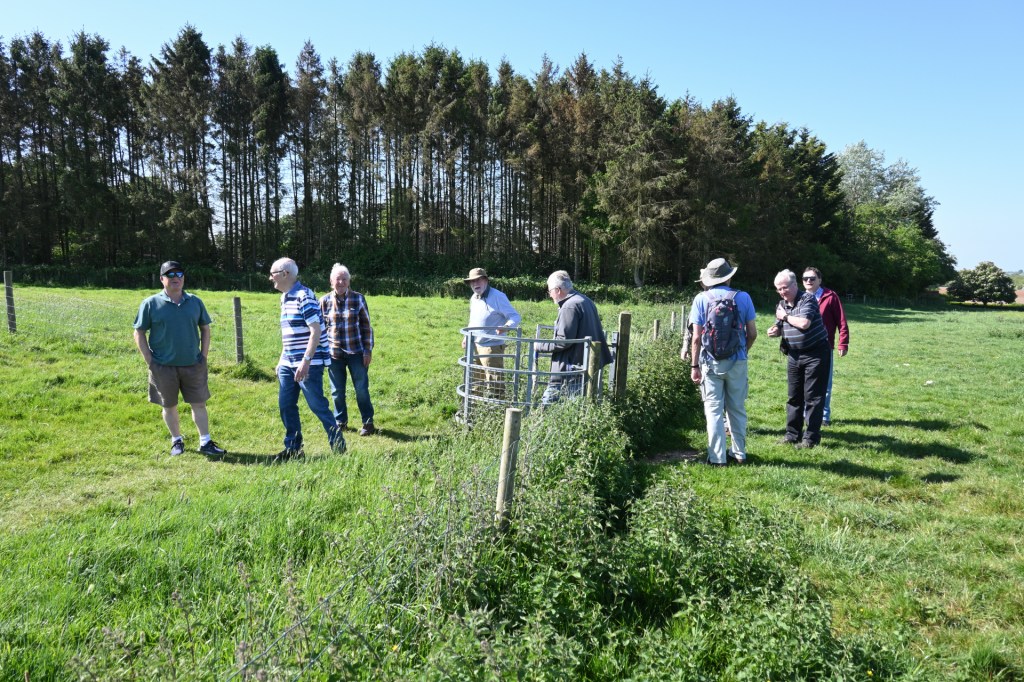
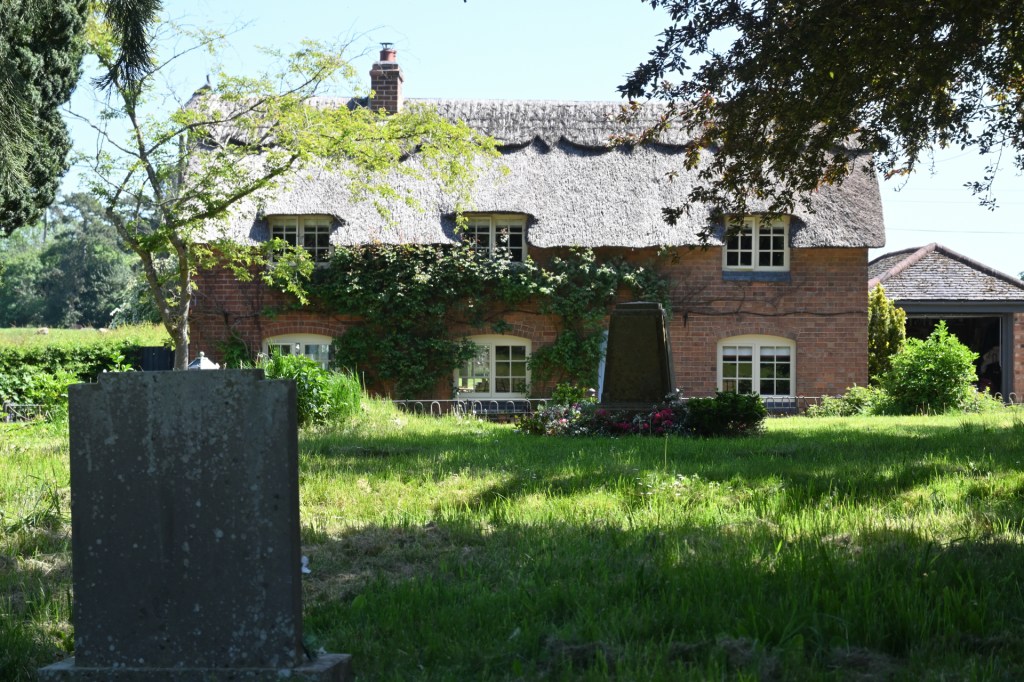
Ten men gathered on the outskirts of Wappenbury for the start of a beautiful walk. The sky was blue and cloudless and the temperature was soon well over 20 degrees. The walk was along country lanes and public footpaths that weaved through the villages of Wappenbury, Eathorpe and Hunningham. Richard paused the walk on a few occasions to enlighten us with information on historic sites and characters including the founder of Jaguar Cars who lived in Wapenbury.
Many of the fields were planted with beans and potatoes that looked like they really need some significant rain. The group also came across sheep, cattle horse and a sheep dog that had more energy than the entire group.
By noon the walk was over and it was onto the Rugby Tavern for a good lunch and drink. Three additional MIRTHers joined for the meal and conversation. Several people commented on how the walk, conversation and meal had lifted their spirits.
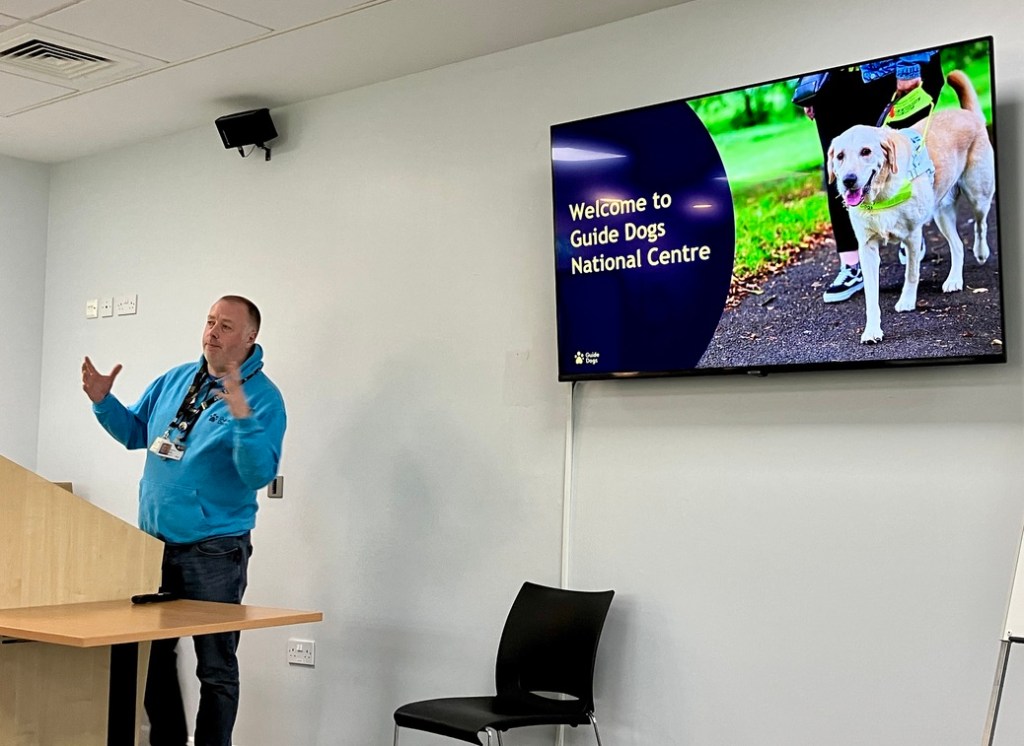
Twenty of us drove the three miles south from a good lunch at The Heathcote to the Guide Dogs for the Blind National Centre, south of Leamington near Oakley Wood. This is the largest dog breeding centre in the world – yes! In the world! (Who knew??). they have room to breed up to 1,500 puppies a year. And they are world leaders in “puppy socialisation and dog training”.
Guide dogs say “we’re here to help people with sight loss live the life they choose”. And unfortunately there are more and more people losing their sight each year – apparently at a rate of one every six minutes, or 20 in the time we took to enjoy our tour.
We were taken on the tour in groups of five and we learned lots. For example it takes a couple of years to rear and train a guide dog. And costs £30,000. But then they can work for 8-10 years and totally transform the lives of the humans matched with them.
The Centre is a very impressive complex of buildings which include a dad’s home, a mum’s home and a ‘honeymoon suite’, a pre-whelping area, a place for pups to be born, another for post-whelping, plus a hospital and even an isolation centre. There are playgrounds for puppies too. And they have underfloor heating!
Dogs come from all over the world to this famous centre. They have a cryogenics centres and an important DNA bank. They have incredible knowledge about how to breed dogs with just the right traits to match up with humans.
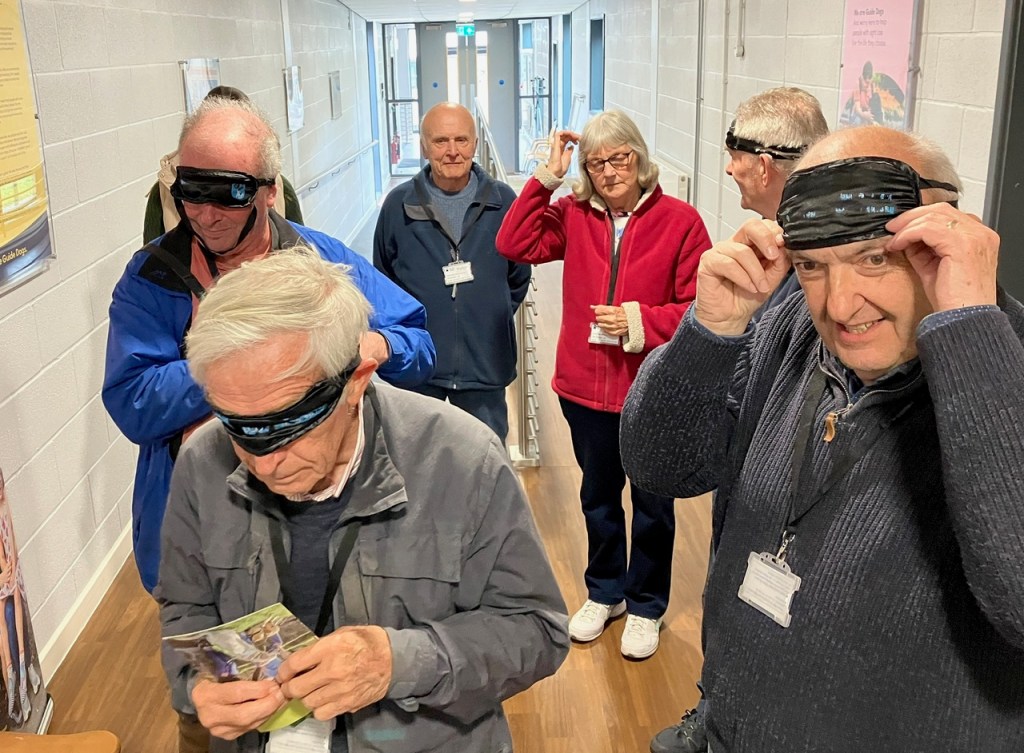
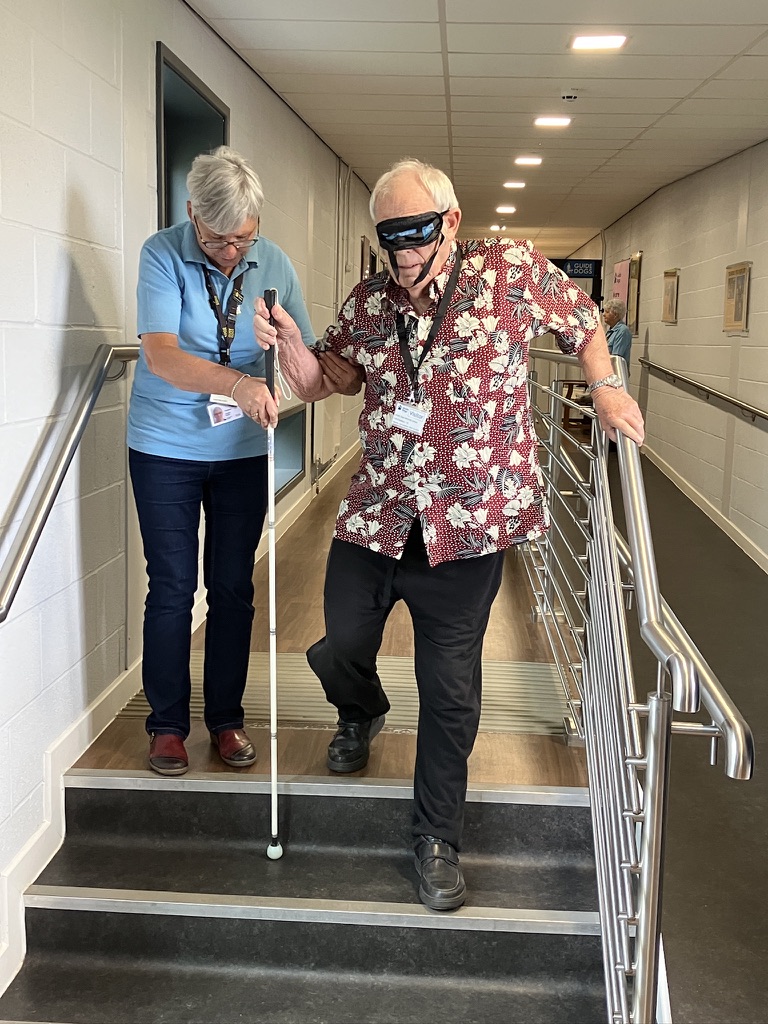
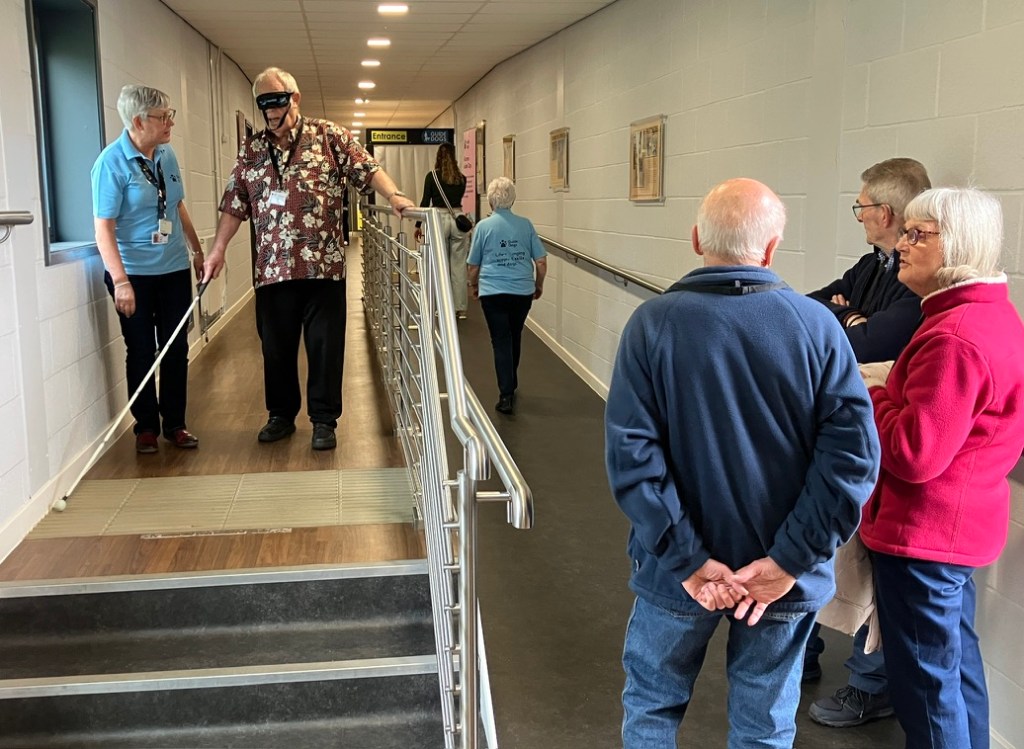
One of the intriguing and challenging parts of the tour was going through the sensory tunnel. And when the braver amongst us volunteered to take hold of a white cane, put on a blindfold and walk up an incline then back down some steps. Sounds simple doesn’t it? But not when you try it for the first time!
The volunteers are a wonderful group of people. Totally committed to what they do. And obviously loving every minute of it.
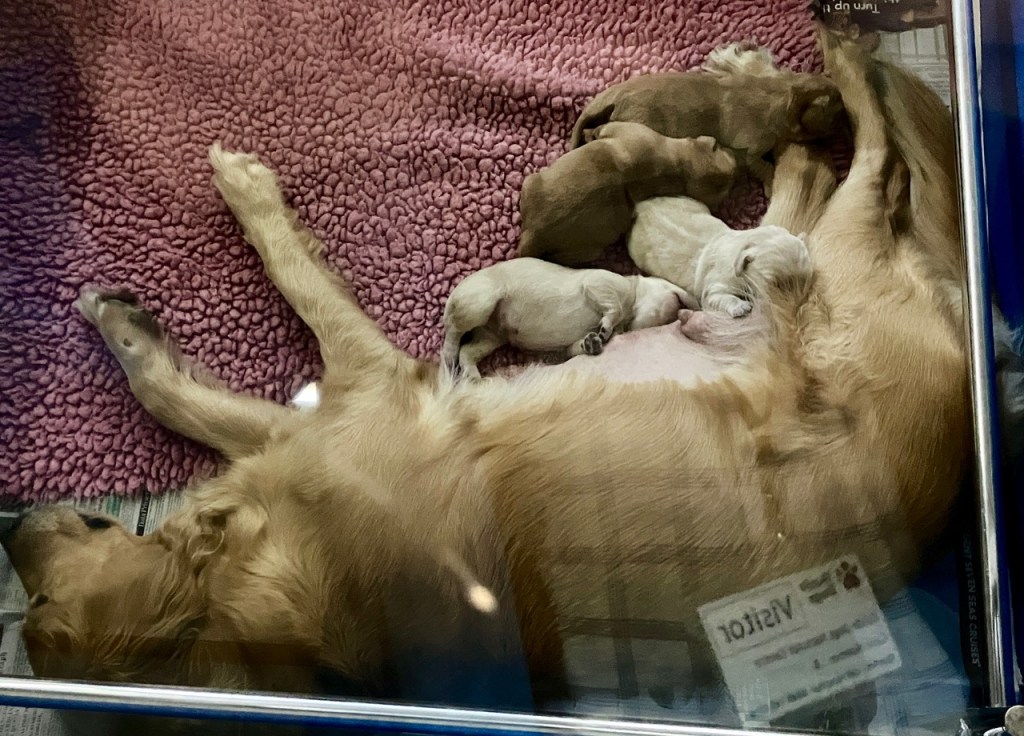
And yes – we got to see some adorable puppies too.
Another excellent MIRTH outing, for which we thank Peter Davis and others involved
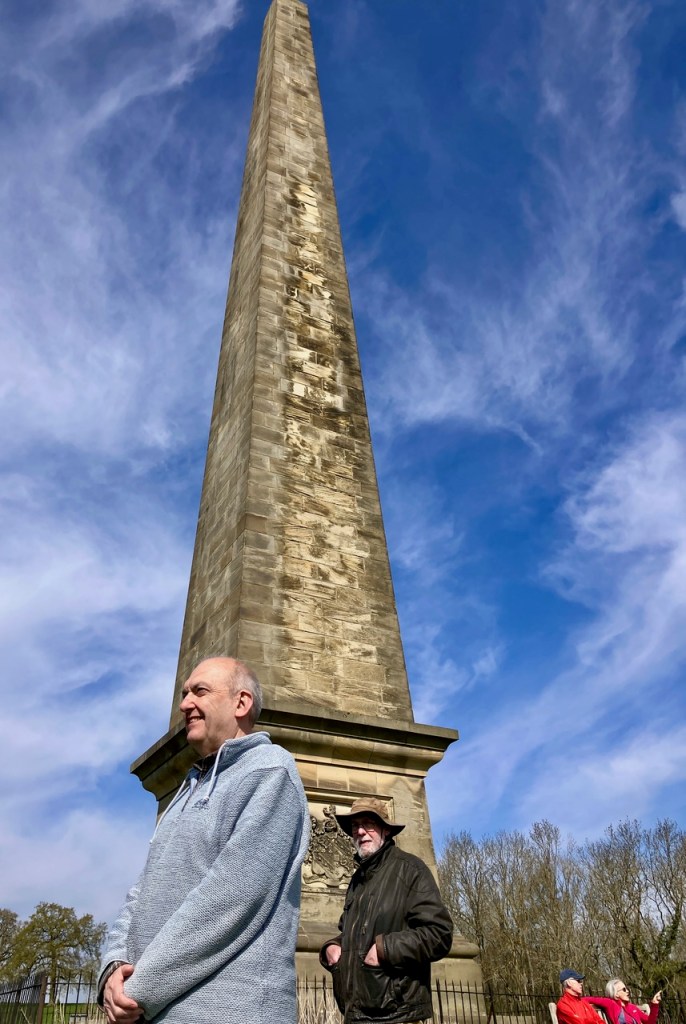
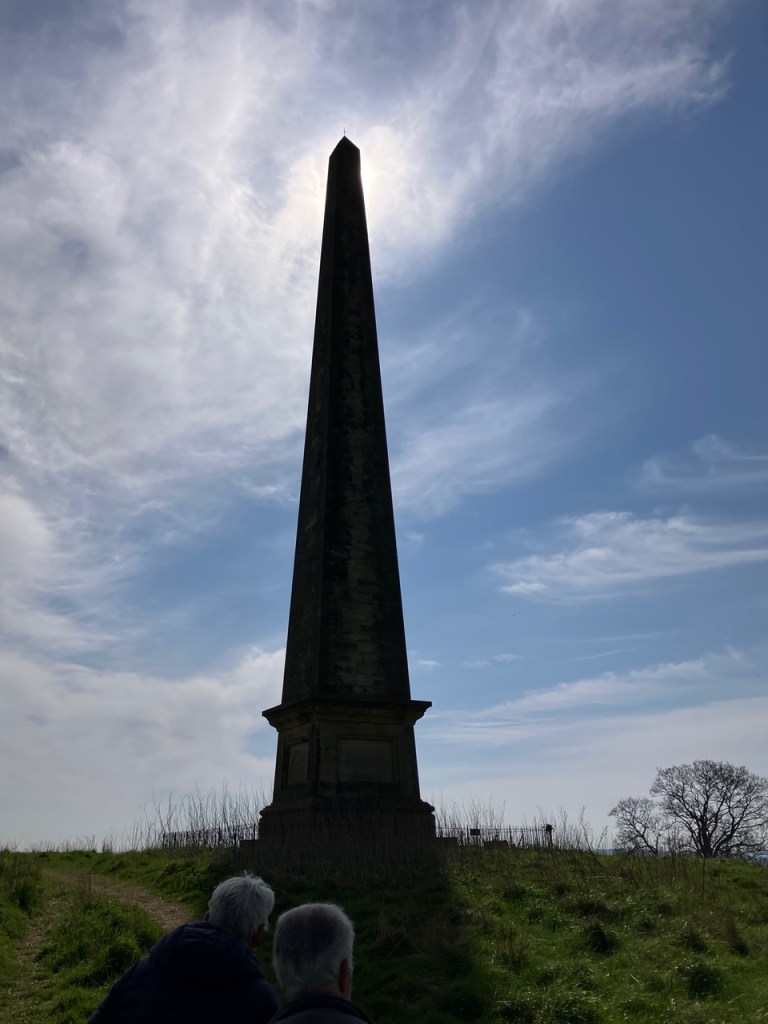
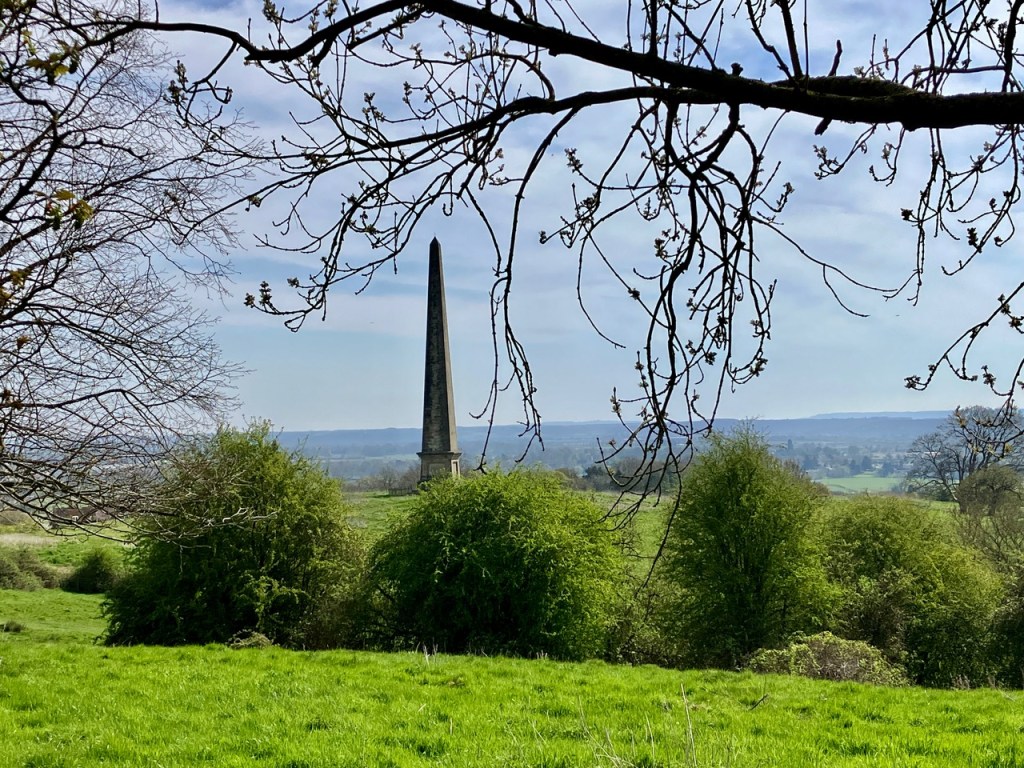
A couple of innovations were tried in this week’s MIRTH walk. The first was the staggered start. Not entirely successful, but at least we were all together by the time we reached the steeper part of the hill up from Stratford-upon-Avon to the Welcome Hills. Our objective? The famous Welcome Hills Obelisk. Yes – the one with the amazing views west -> south -> east, over Stratford and to the Malvern Hills. All clearly visible on this gloriously sunny day.
Among the 10 of us were a few who had not been up to the obelisk before and were intrigued to learn that the monument was erected in 1876 by Robert Needham Philips to commemorate his brother, Mark Philips, and their father, Robert Philips. Mark Philips was a prominent figure in the early 19th century. He was born in Manchester in 1800 and made his fortune in the cotton industry. He was also a successful politician and served as the first Member of Parliament for Manchester from 1832 to 1847. Robert Phillips was a successful businessman and landowner. He was also a philanthropist and donated money to a number of charities, including the University of Warwick and the Shakespeare Birthplace Trust. The obelisk is a beautiful and impressive monument. It is made of limestone and stands 100 feet tall. The four sides of the obelisk are inscribed with tributes to Mark, Robert, and Robert Needham Philips
On then to lunch at the Boar’s Head in Hampton Lucy where we were joined to two more MIRTH stalwarts to enjoy the fine fare this pub always has to offer us.
And the other innovation? The return trip to our starting point in Maidenhead Road, Stratford. Why? Well … to look for the pair of boots which one bright MIRTH spark had forgotten to put in his car after the walk 😳. He was mightily relieved to find the boots in a box kindly labelled ‘Lost & found’ – and to realise that while he might have lost his boots (temporarily) at least he hadn’t lost his marbles 😉



















 MIRTH
MIRTH 