The Shetland Bus

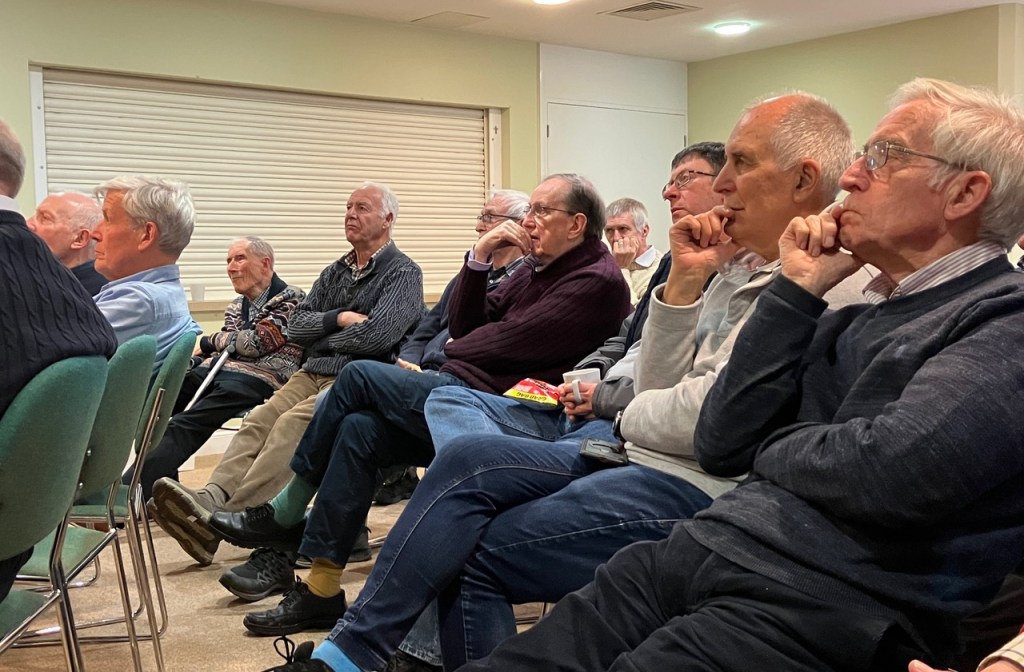
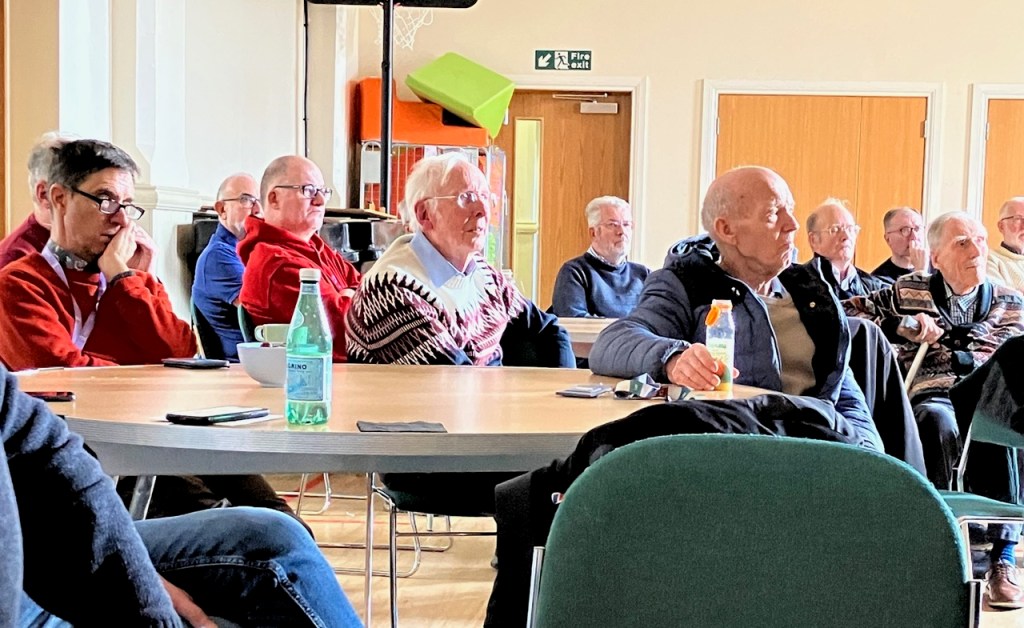
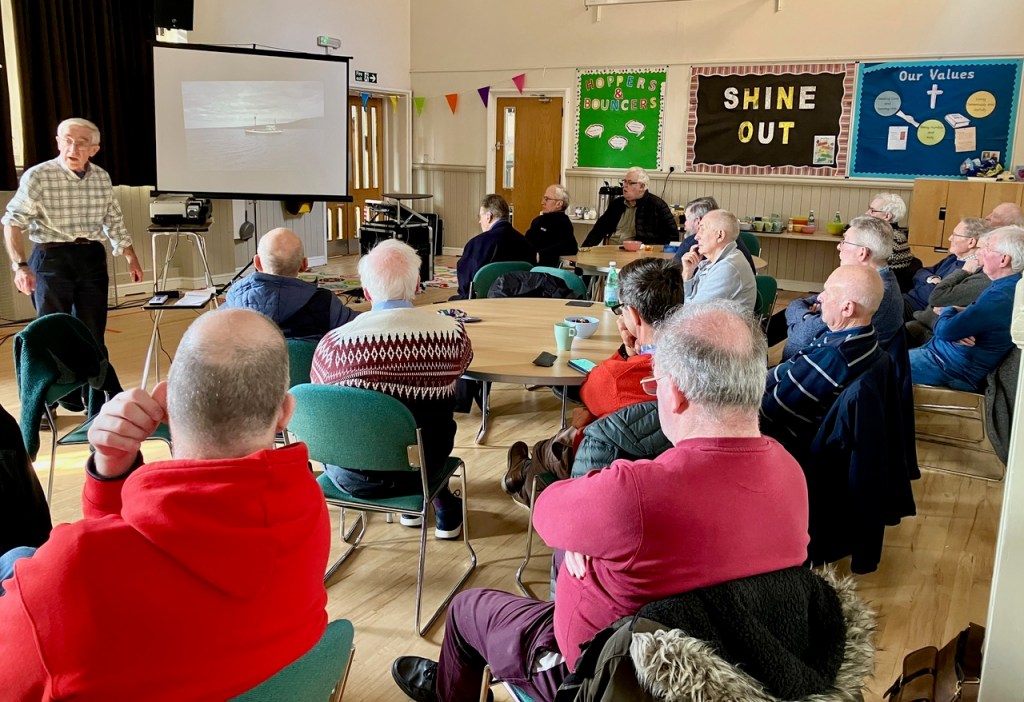
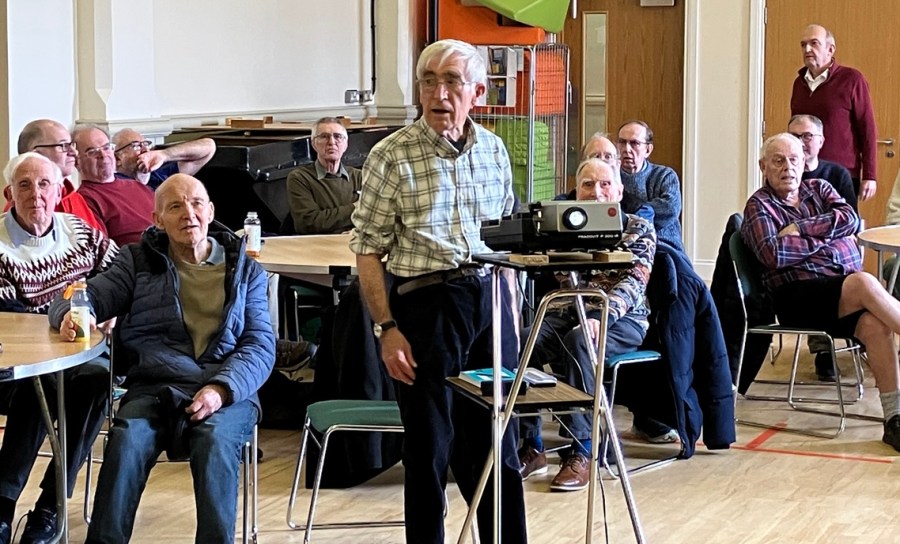
Long standing MIRTH member Paul Davison delivered a fascinating talk on “The Shetland Bus”. In April of 1940 Germany invaded Norway to help secure the supply route of iron ore that was vital to the war. The King of Norway refused to surrender. After leaving Oslo and heading North he was together with key members of the Government evacuated to the UK where they governed in exile throughout the remainder of the war. At the same time Winston Churchill was establishing the SOE (Special Operations Executive) to take the fight behind enemy lines. Therefore the scene was set for the secret operation known as The Shetland Bus to be created.

Paul went on to explain that Norway was a tough place to be a farmer but a great place to be a fisherman. The Norwegian fisherman had great navigational skills, a big network of contact and lots of courage. Many of these fishermen would volunteer for this dangerous work. They came and lived in the Shetland islands as the nearest free land to their now occupied homeland. They then used their skills to smuggle agents and war supplies into the Norwegian resistance and smuggle out refugees that were being hunted by the Gestapo. Most of the operations took place in the Winter months when the longer dark nights provided better cover from the German air patrols. In the first two Winter seasons mainly Norwegian fishing boats were used but these suffered much damage from storms and air attack with casualties reaching nearly 50%.

The USA provided a solution by supplying three submarine-hunting ships. These very fast and agile ships could get in and out of Norwegian waters avoiding navel units and if attacked by aircraft they had excellent AA guns. Each ship was manned by 22 Norwegian volunteers and operated successfully through until the end of the war. The brave resistance of the Norwegian population was supported by this vital secret operation and Germany kept an army of over 280,000 in Norway trying to supress the resistance. Paul highlighted key individuals and memorials that commemorate these brave men in both the Shetland Islands and in Norway.

Walk around Whitnash

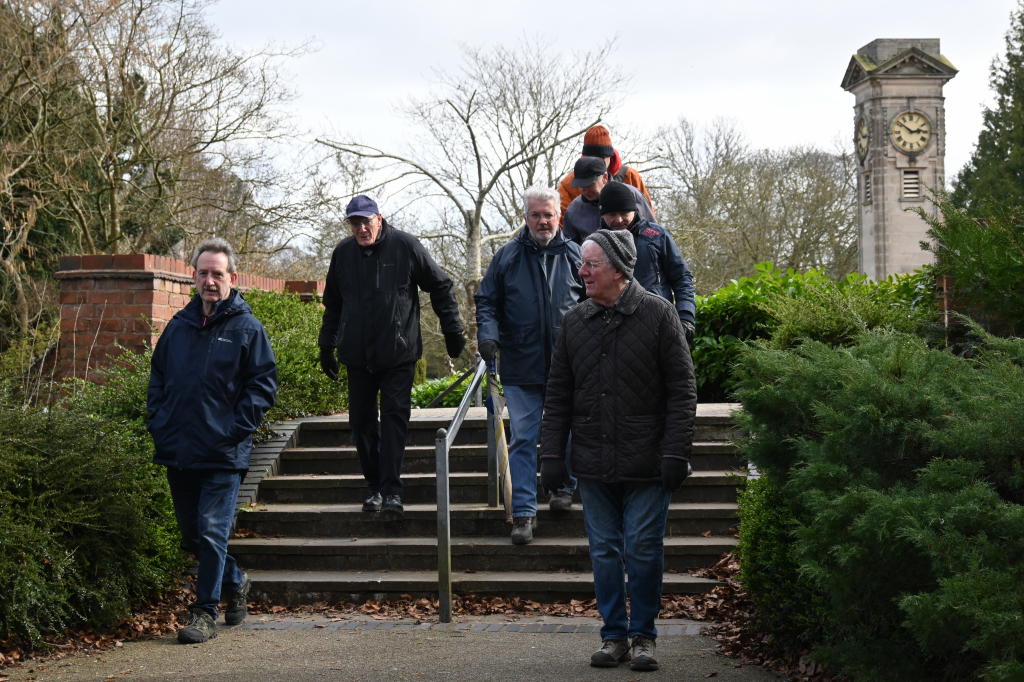
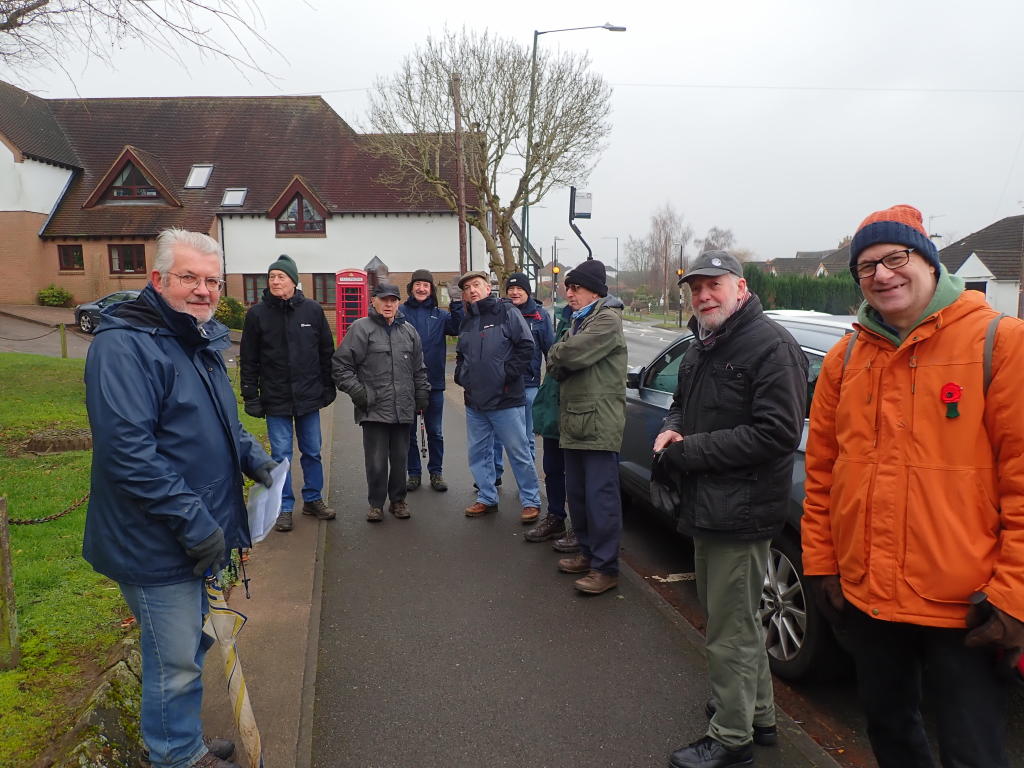
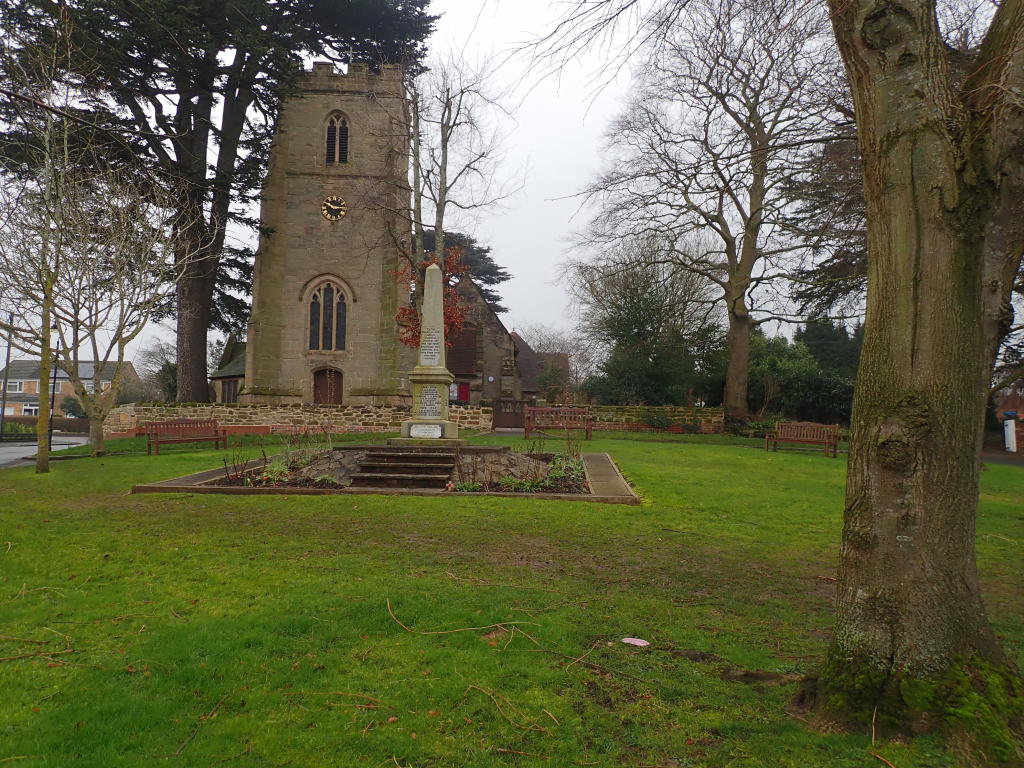
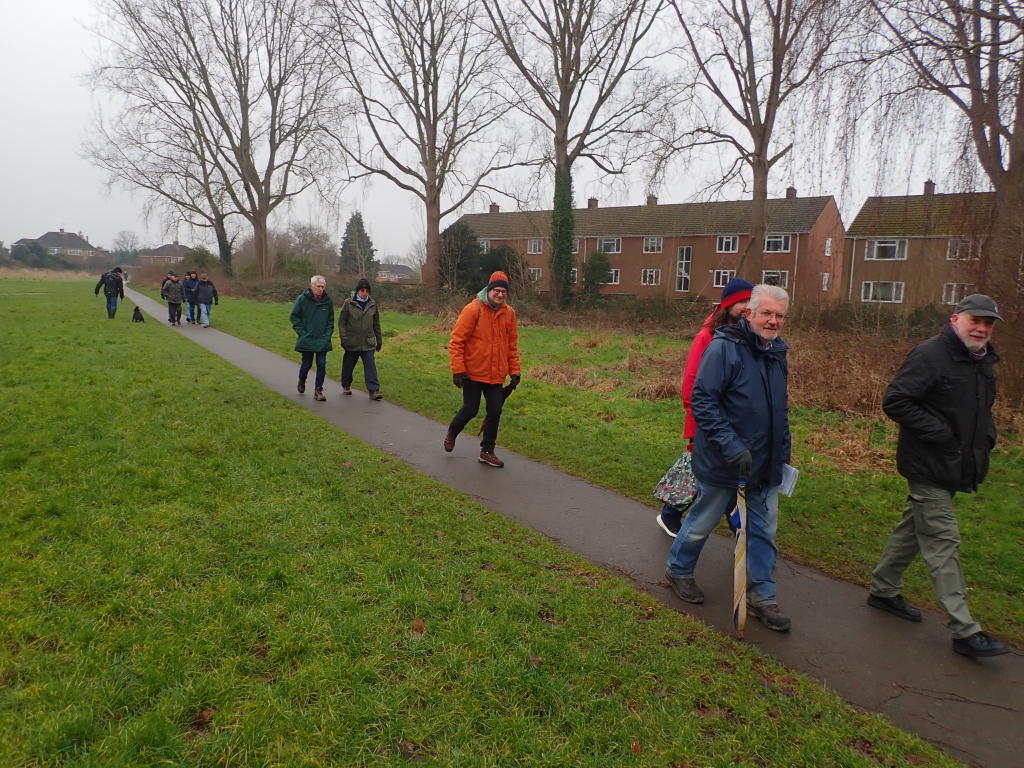
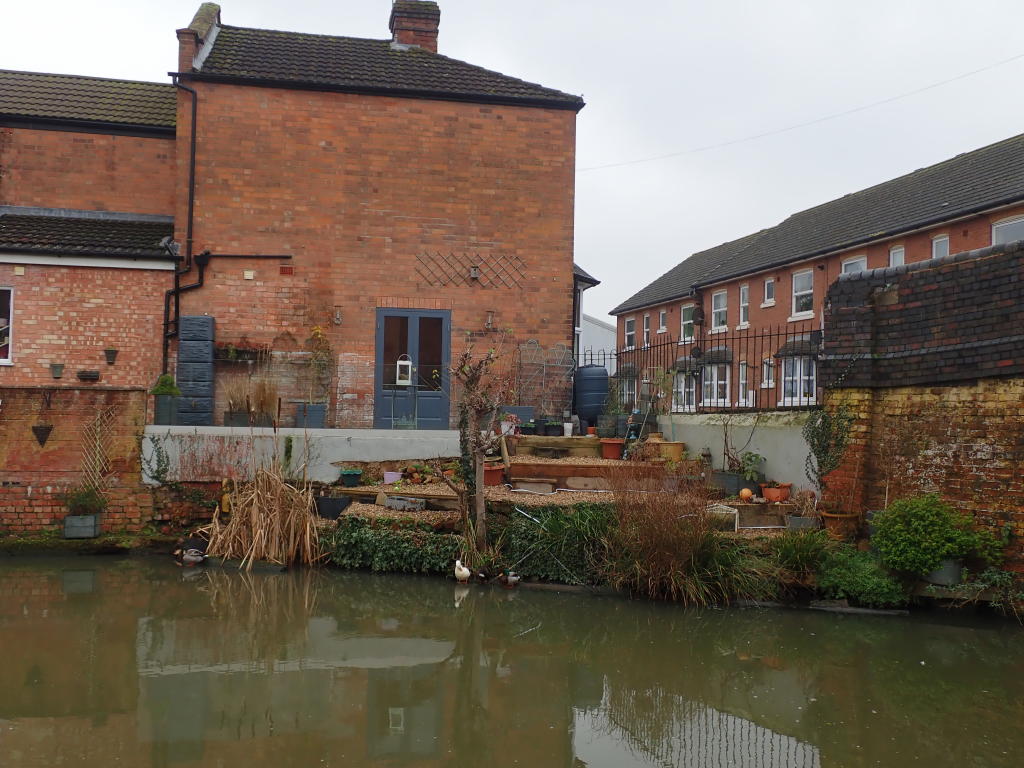
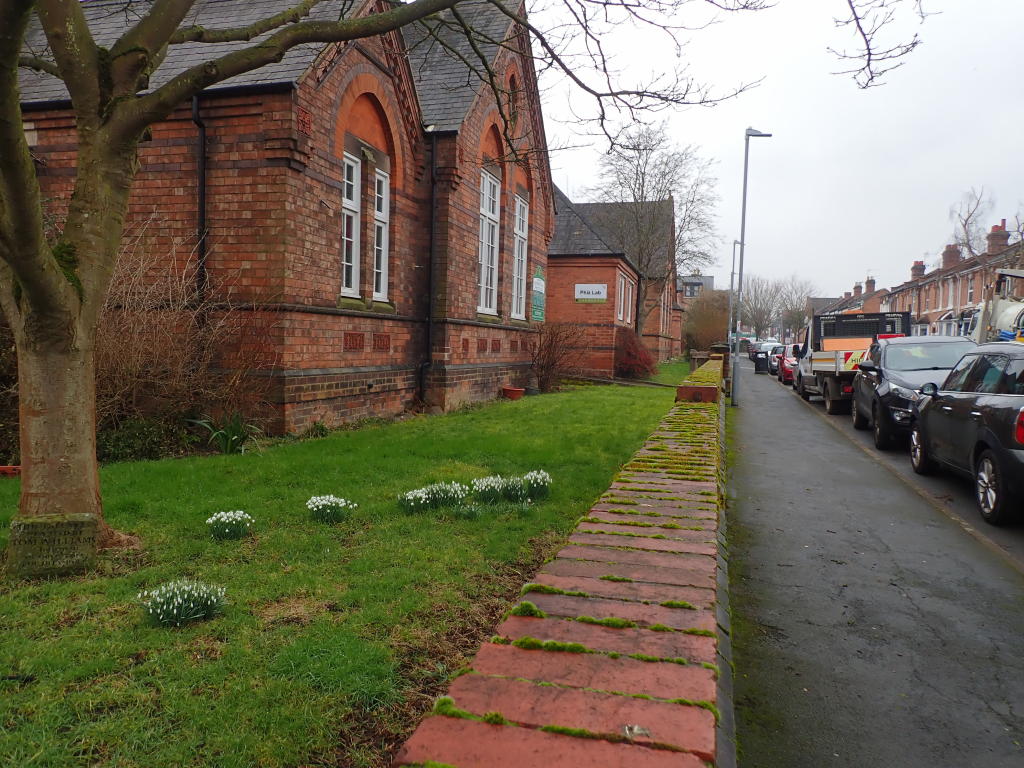
This month’s walk was around Whitnash and Leamington. Starting at the Plough & Harrow pub. We passed the centuries-old St Margaret’s Church. We continued through a large recreation ground before finding ourselves back in Leamington Spa. As often in the winter months, we explored using paved paths rather than muddy tracks.

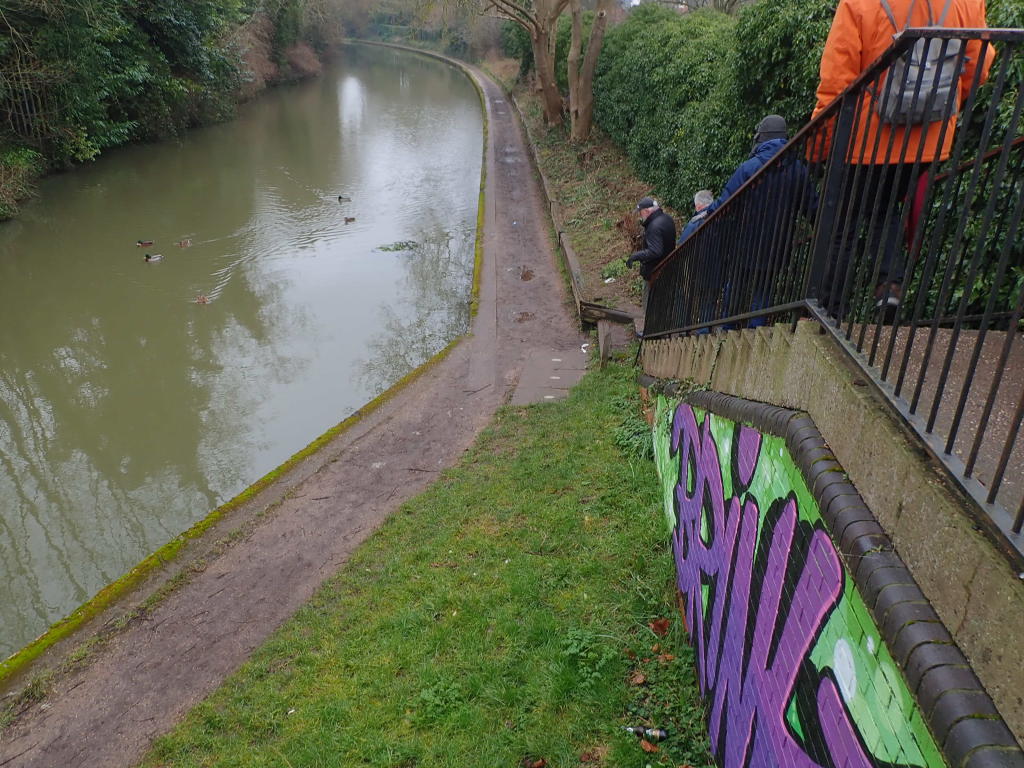
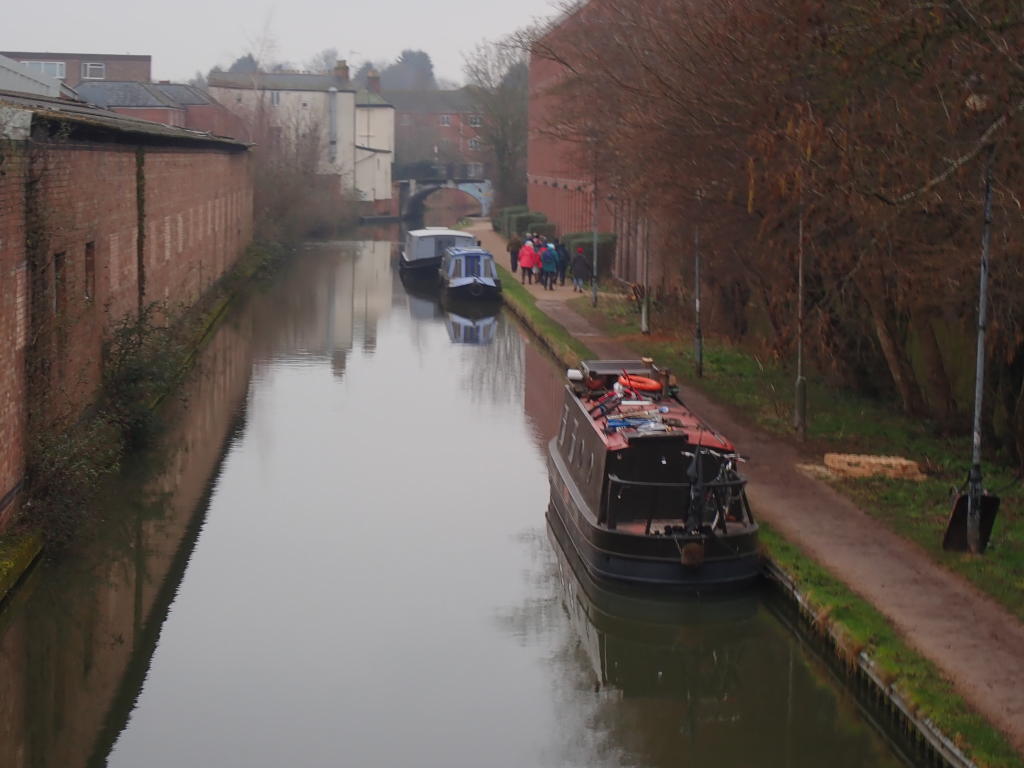
We were passed by another walking group from the U3A as we walked along the Grand Union Canal.

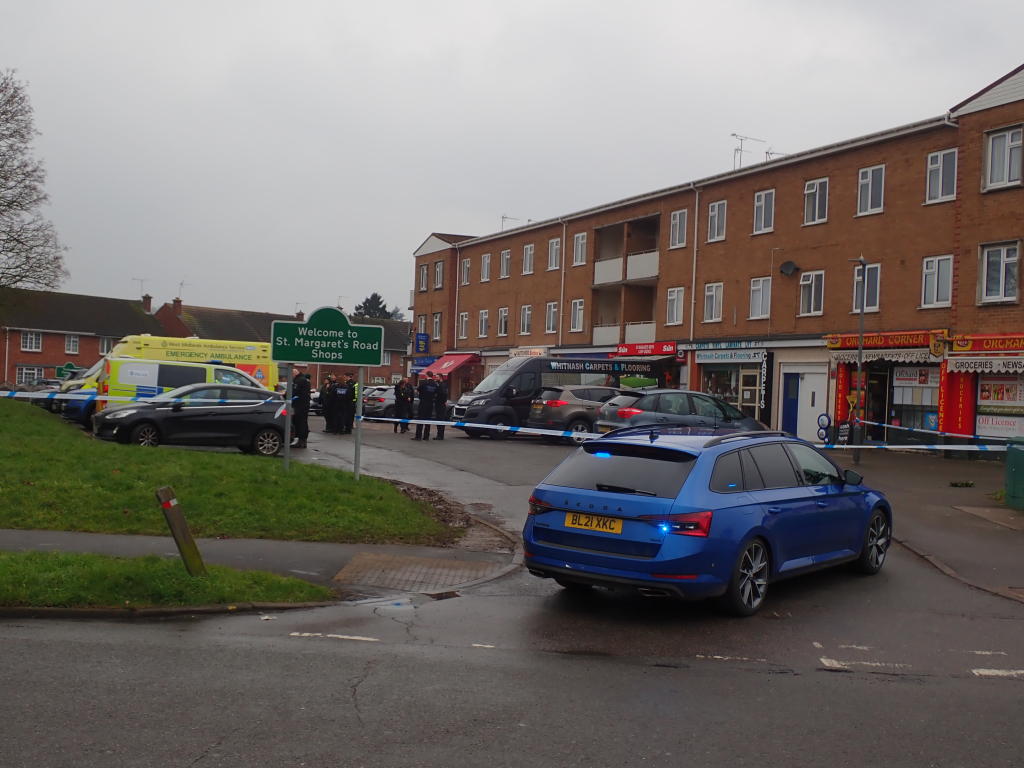
We headed back into Whitnash past the impressive Civic Centre they have recently built. We passed by the St Margaret’s Shops and a large number of emergency vehicles were present and police tape surrounded the area. I found out later that sadly a man had been found dead in a car parked there.

We headed back to the cars and off to the Royal Horse for lunch.

It is always interesting to walk around the towns and villages close to Leamington, these places are much older and were much more important than Leamington Spa in years gone by. Only when the spa waters were discovered in the late 18th century did Leamington Spa develop from a tiny village into the town we have today.

Lagos to Leamington – a Career in Jornalism

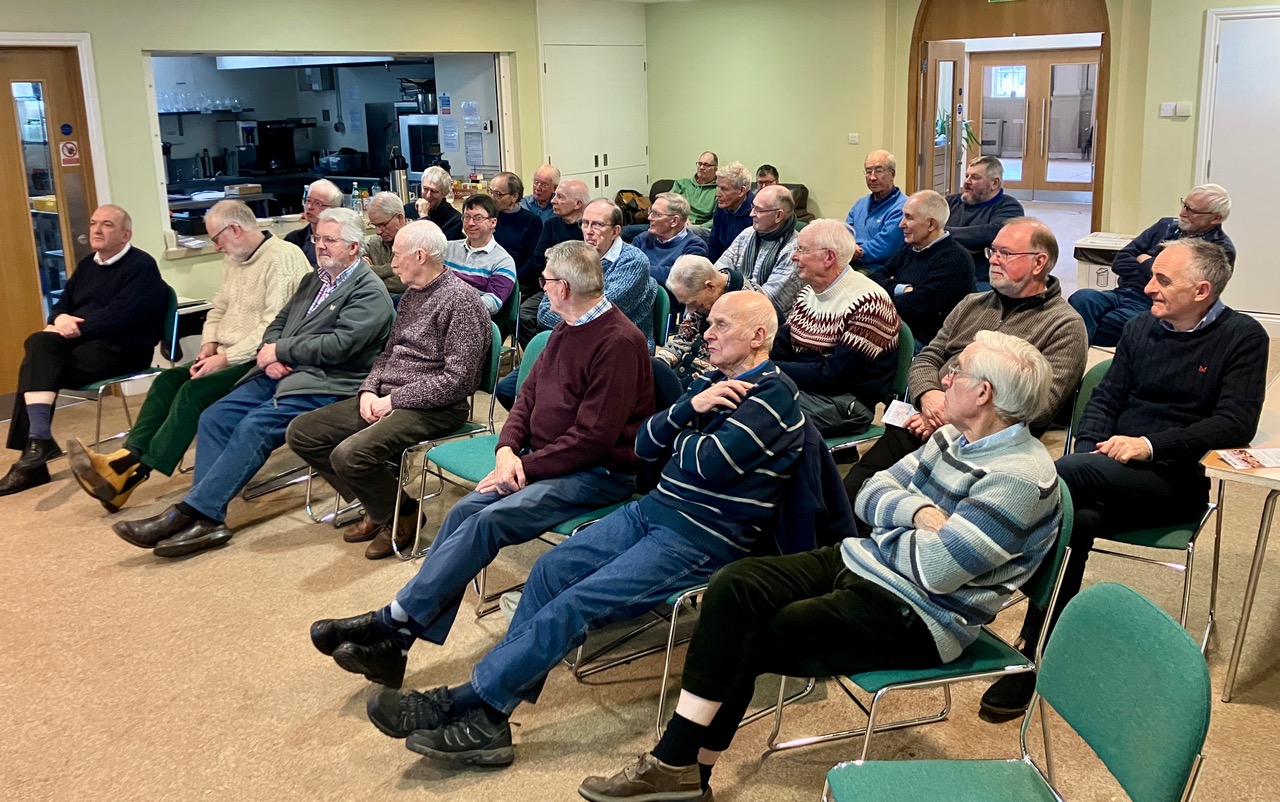
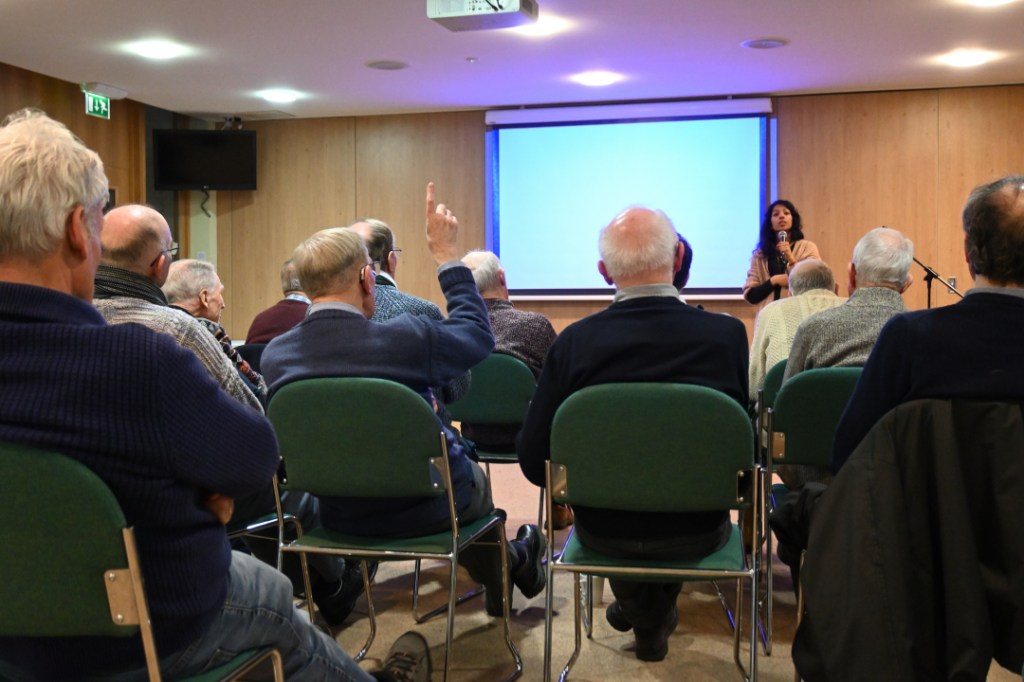
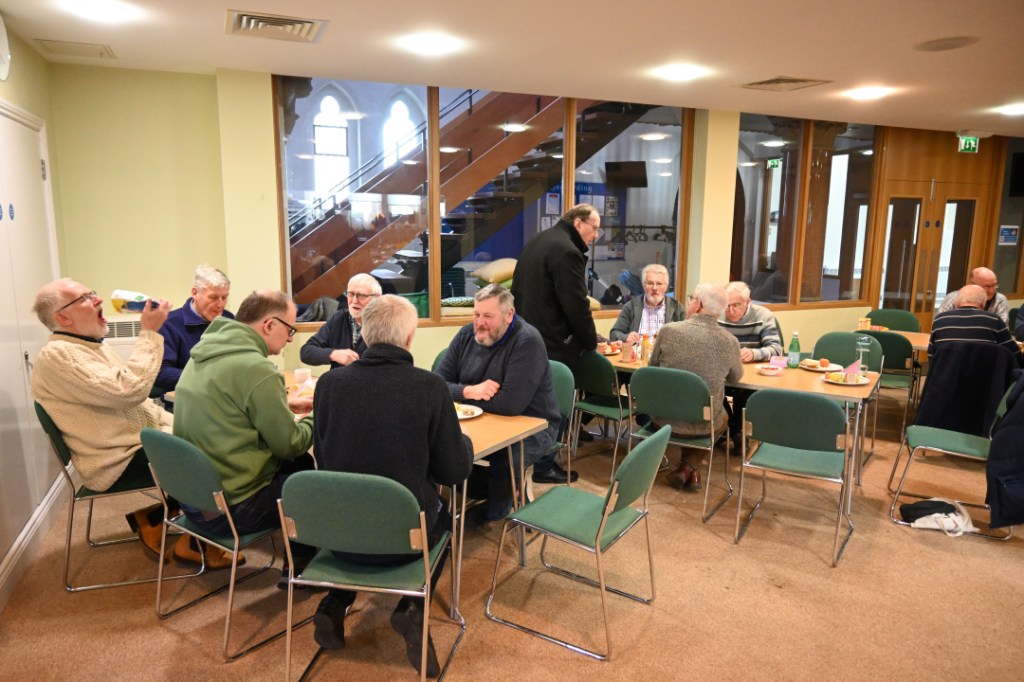
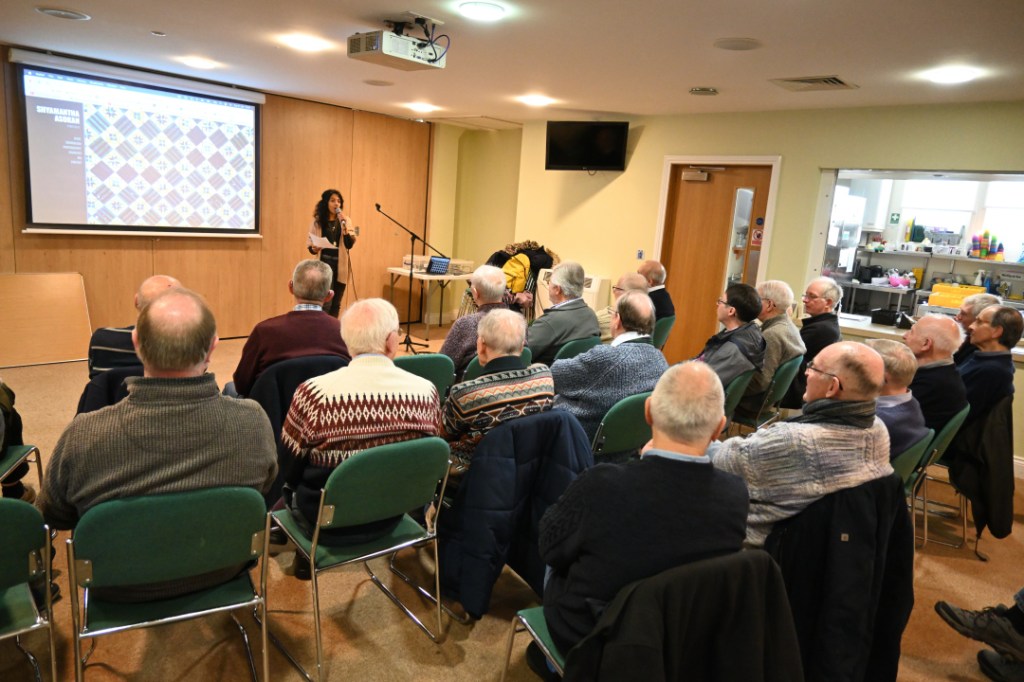
On Tuesday 21st January 30 MIRTHers came to listen to Shyamantha Asokan talk about her experience in journalism and share reflections about issues including ethics and bias. She is currently a BBC journalist covering Birmingham and the West Midlands.

She started by telling us about her work as a reporter and photographer in the UK, Nigeria, India and the USA and her writing for The Economist, The Washington Post, the Financial Times and Reuters.

Questions from the floor started to flow very quickly – at Shyamantha’s invitation. She was impressed by how engaged and interactive our MIRTH audience was! And she was very good at throwing questions back to us, because is passionate about seeking feedback from her audiences.

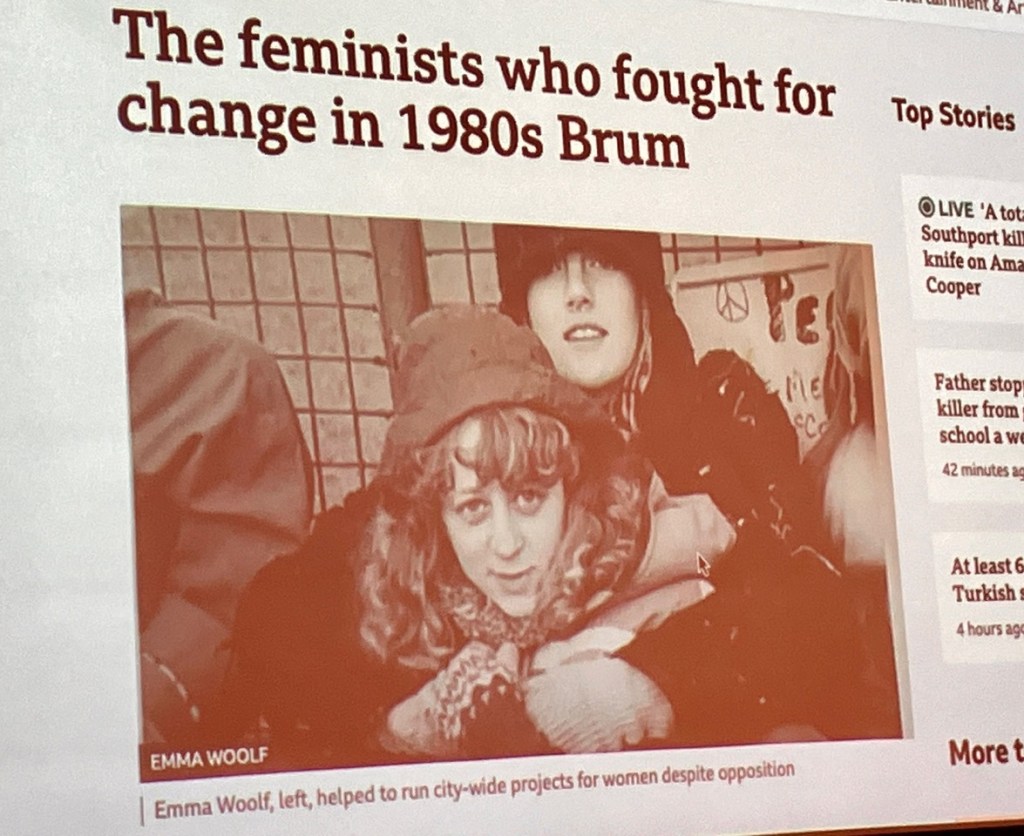
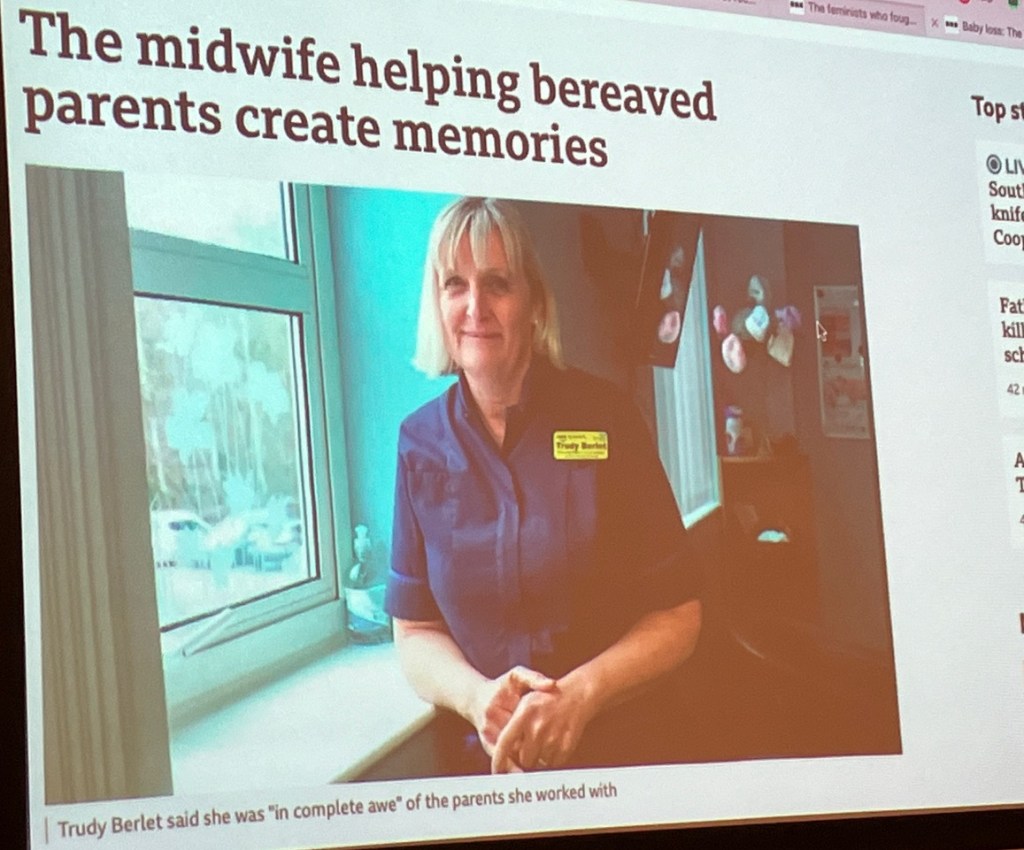
She moved on to talk about her current work and the kind of stories she is covering and producing in Birmingham and the West Midlands. These include stories about motherhood and women’s rights. She also gathers in-depth case studies for NGOs – and it’s in that capacity that she came to know about MIRTH, when she was hoping to write a story about us.

Discussion ranged across current issues about how people access news, what they think about different media sources, impressions of degrees of bias, the borders between reporting and opinion, and of course how ethical journalists are (compared to for example social media ’news’ providers).

Our members agreed that it had been a fascinating talk, with useful insights into the world of journalism; and that we had really appreciated the opportunities to question & comment, and interact with Shyamantha.

Walking the Lawfords

Blue Plaques of Leamington

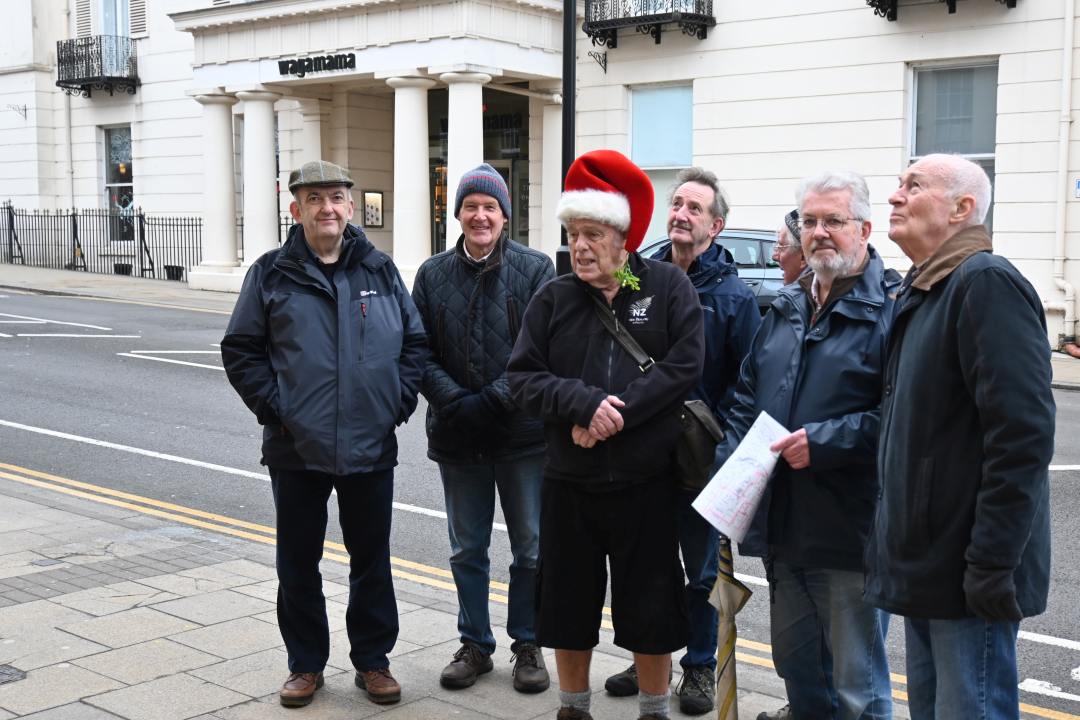
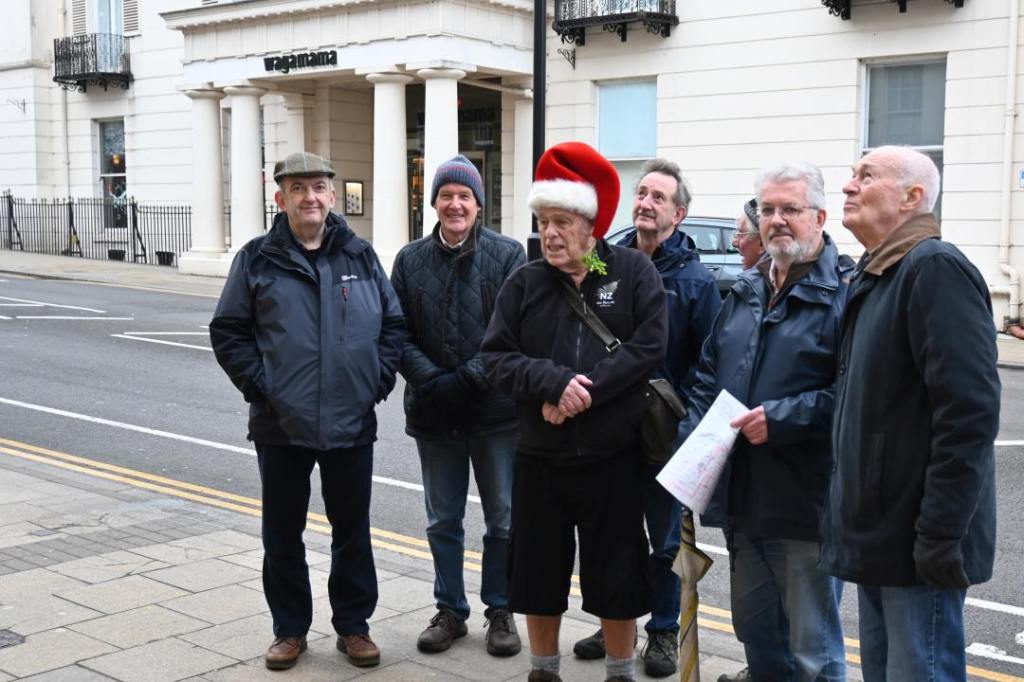
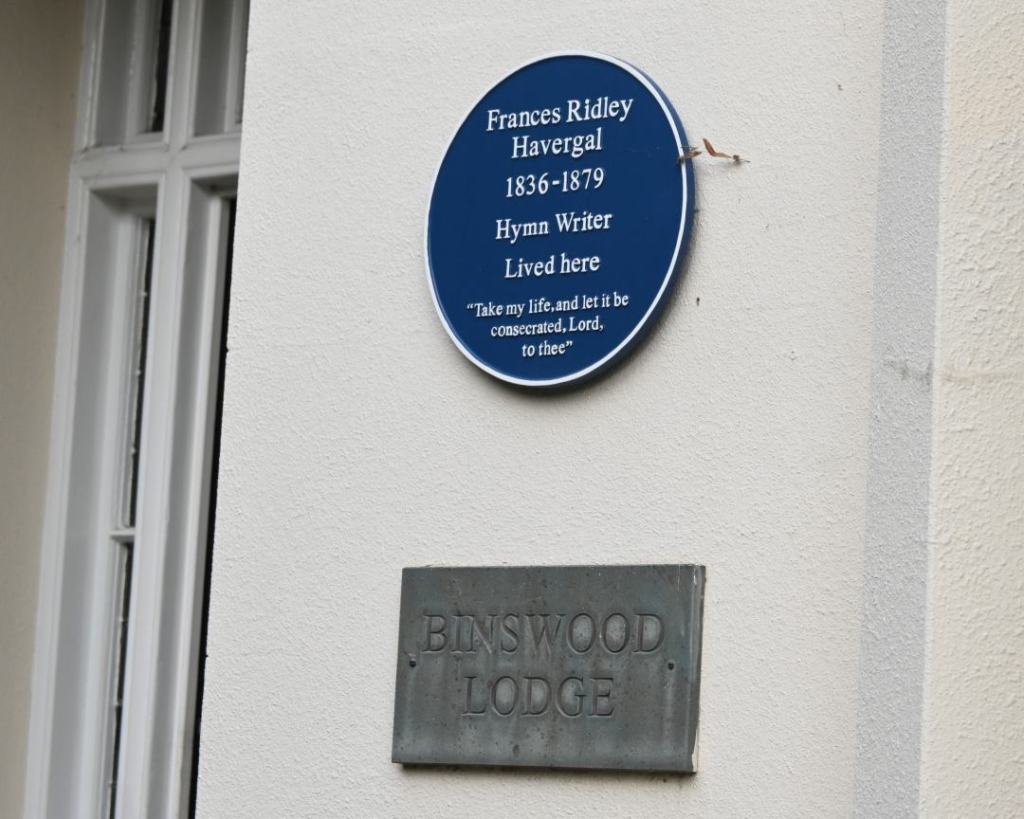
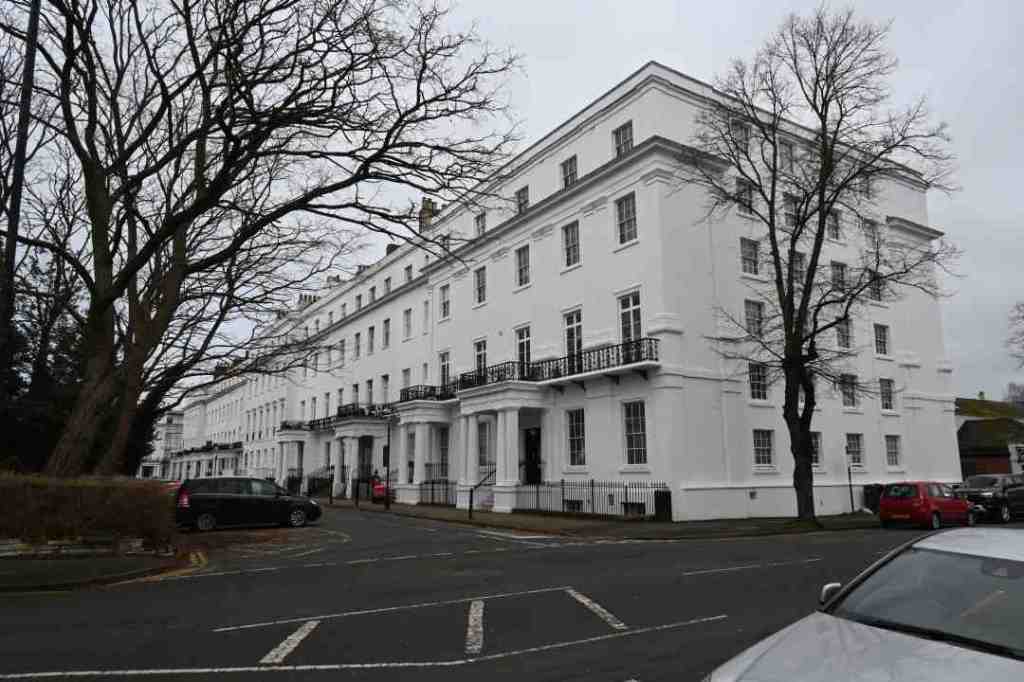
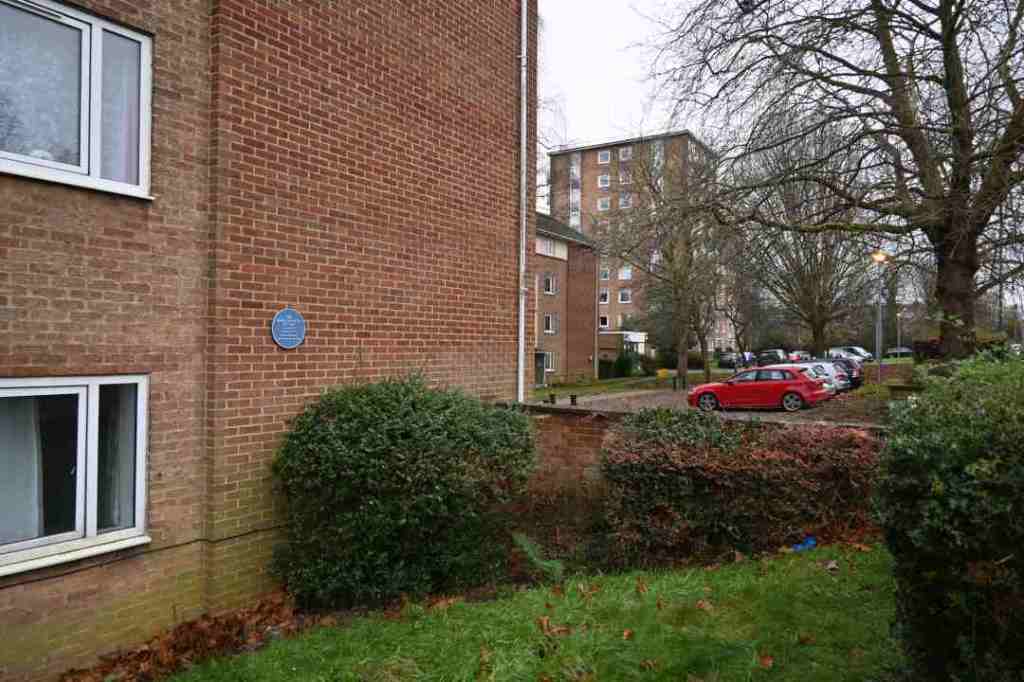
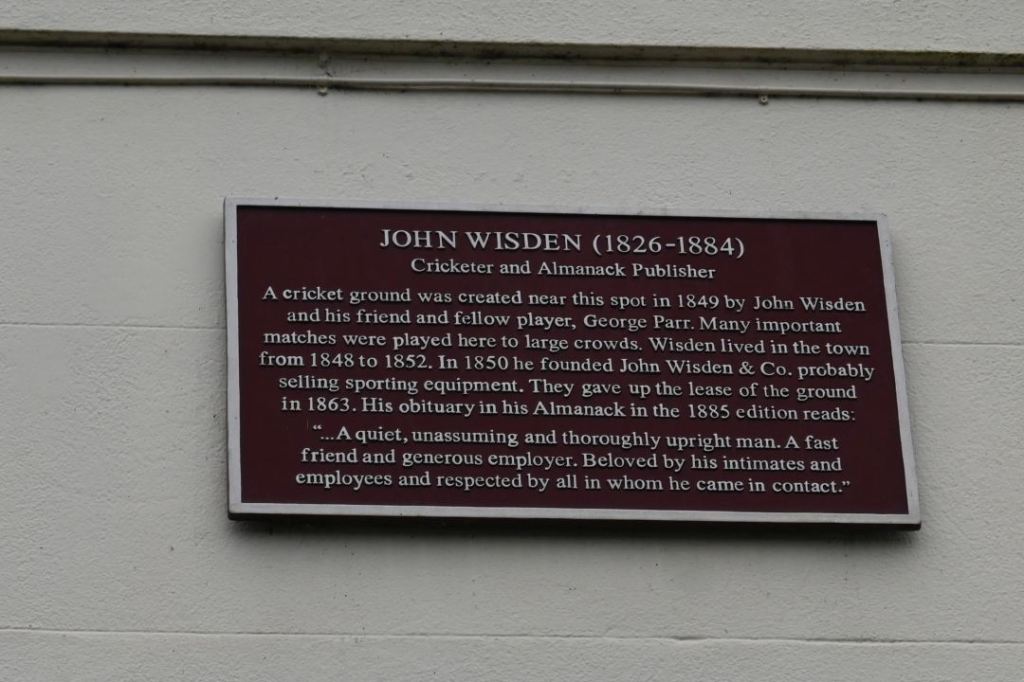
Eight of us set off on a walk around Leamington. Richard had prepared a walk around town visiting some of the many properties with blue plaques. It is amazing how many influential people have lived in the town, including architects, hymn writers, artists, engineers, and many other professionals. Among the famous names are Frank Whittle the inventor of the jet engine, Frances Ridley Havergal a hymn writer who also attended St Paul’s Church, and Malcom Sayer the designer of the E-type jaguar.

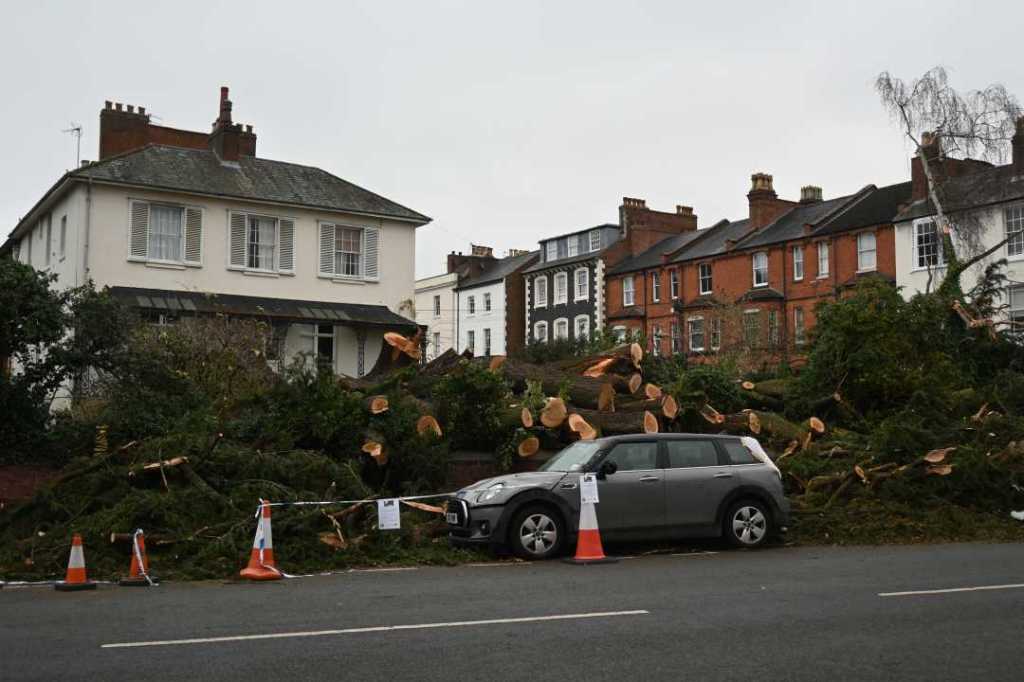
As we walked past Portland Place we were reminded of the devastating power of the wind. In the recent storms a large cedar tree had fallen seriously injuring a passer-by. A mini crushed by the tree still remains where it had been parked.

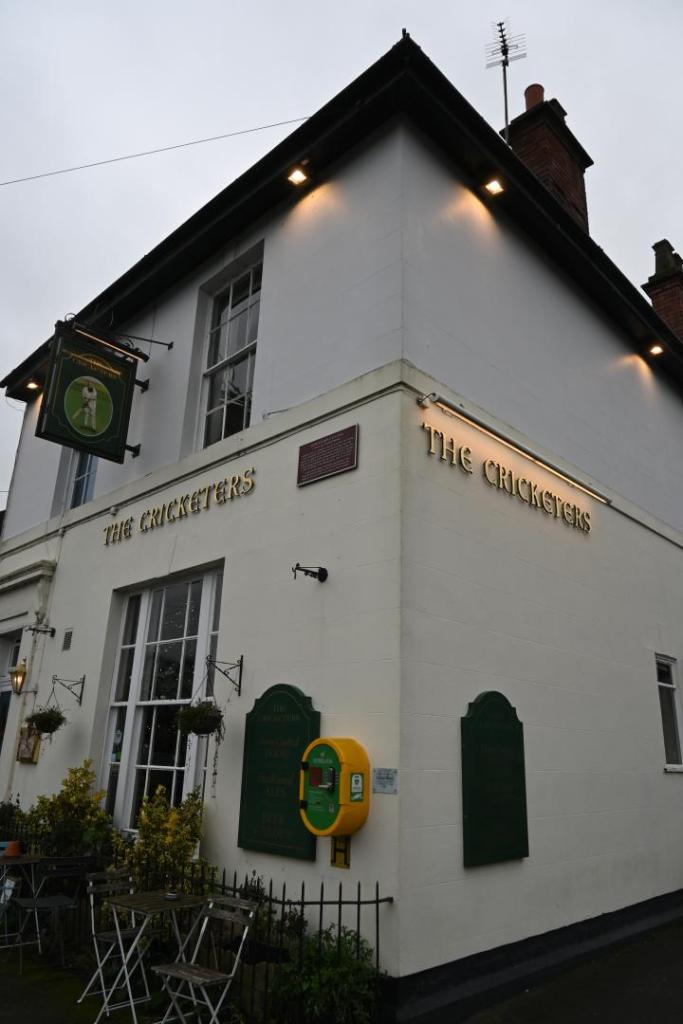
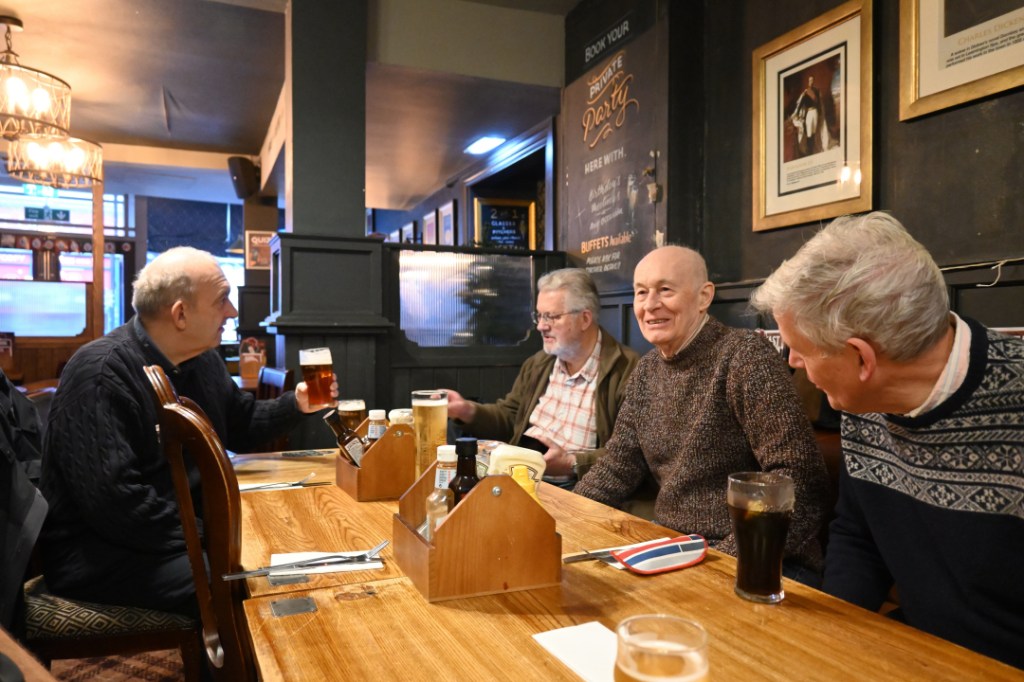
After 2 hours of walking we adjourned to the old library for a much-needed lunch.

Mirth Christmas Lunch

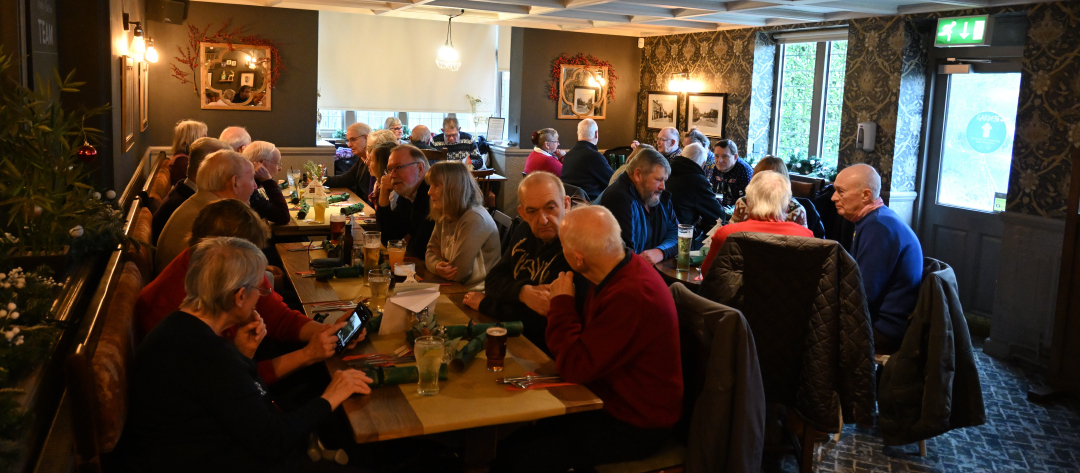
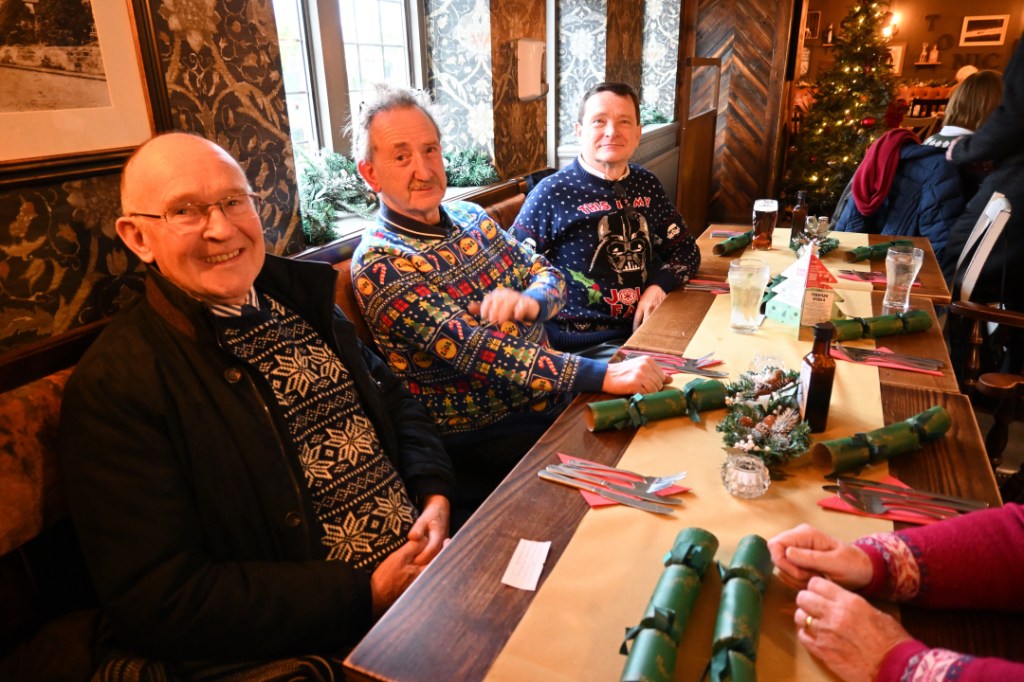
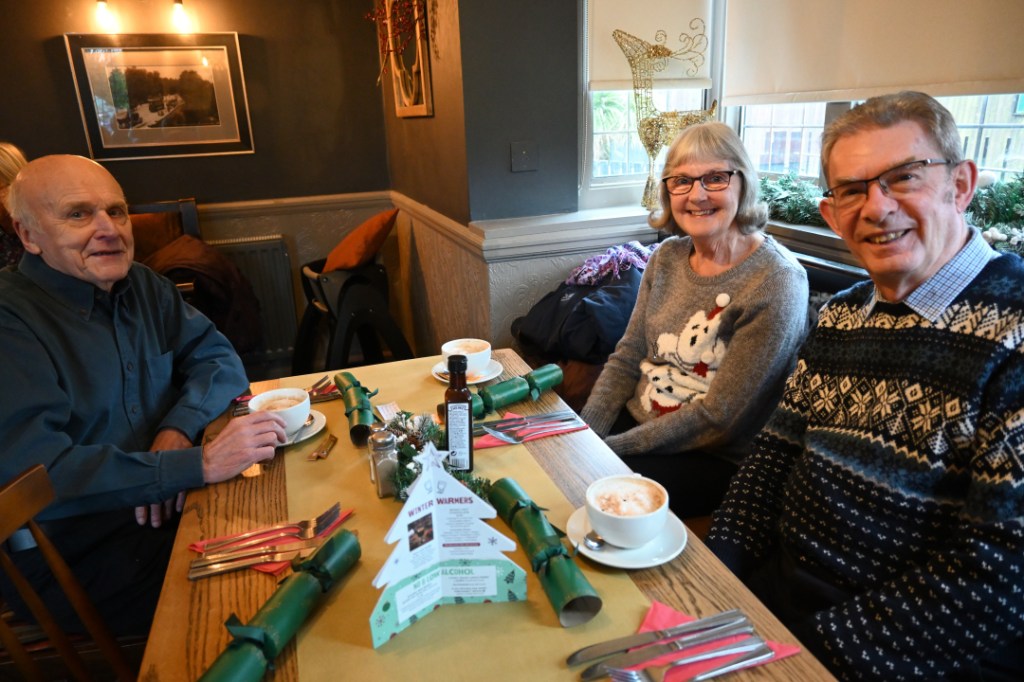
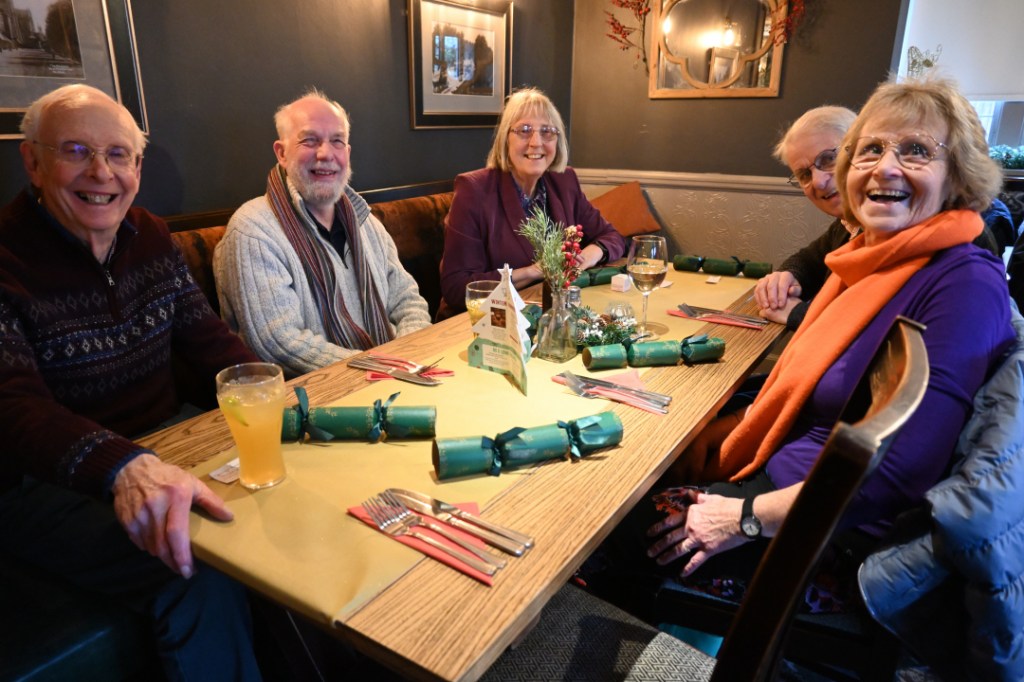
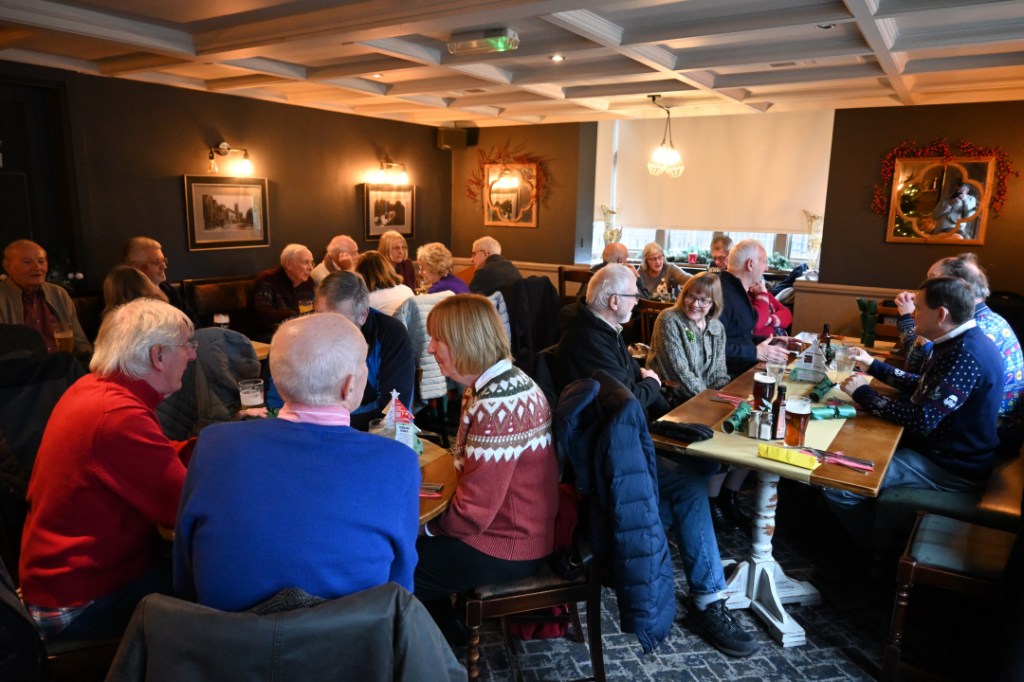
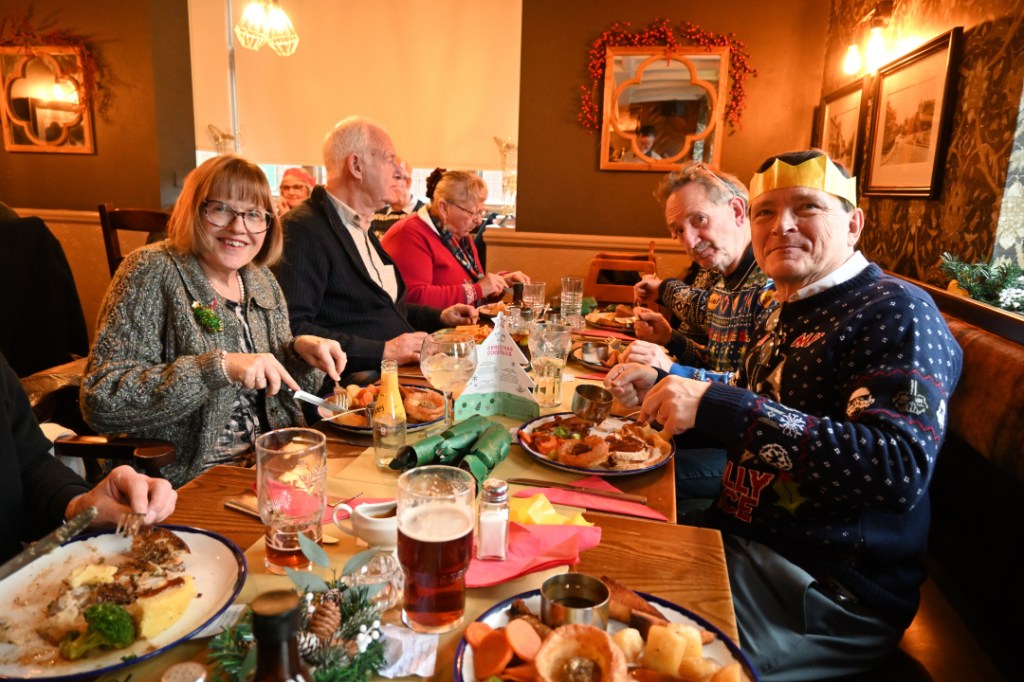
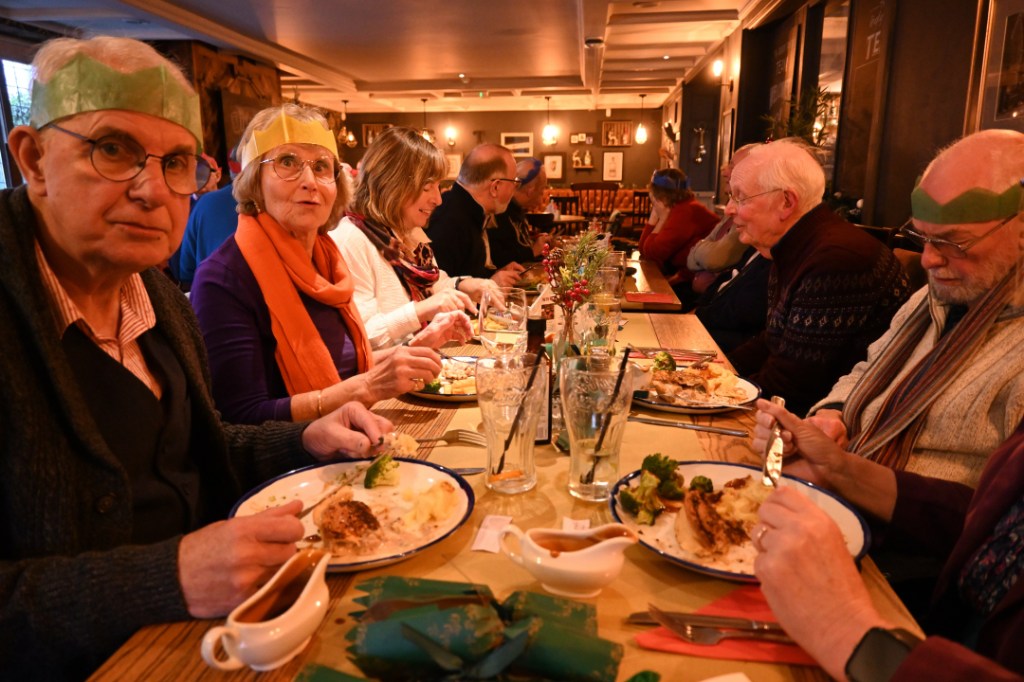
This week we held our annual MIRTH Christmas lunch. Twenty-nine of us gathered at the Rugby Tavern for our celebrations. When we gather we like to chat; this time there was perhaps a little too much time for chat as we waited patiently for our food to arrive, some even thought we were copying Reginald Perrin’s no food dinner party idea.

We had all the usual trimmings including Christmas Crackers with bad jokes (Why did no one bid for Rudolph and Blitzen on eBay? Because they were two deer! Bom Bom)

Our food did eventually arrive and we all enjoyed a good lunch.

New friends were made over lunch and old friendships strengthened.
We look forward to our events in 2025.

Warwickshire Lowland Rescue

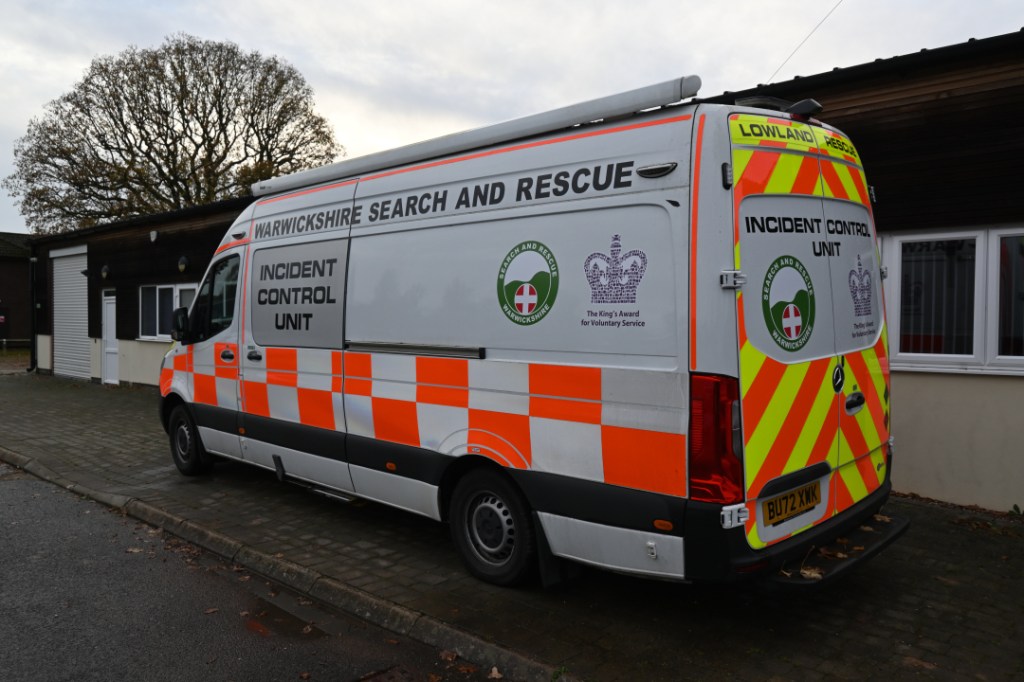
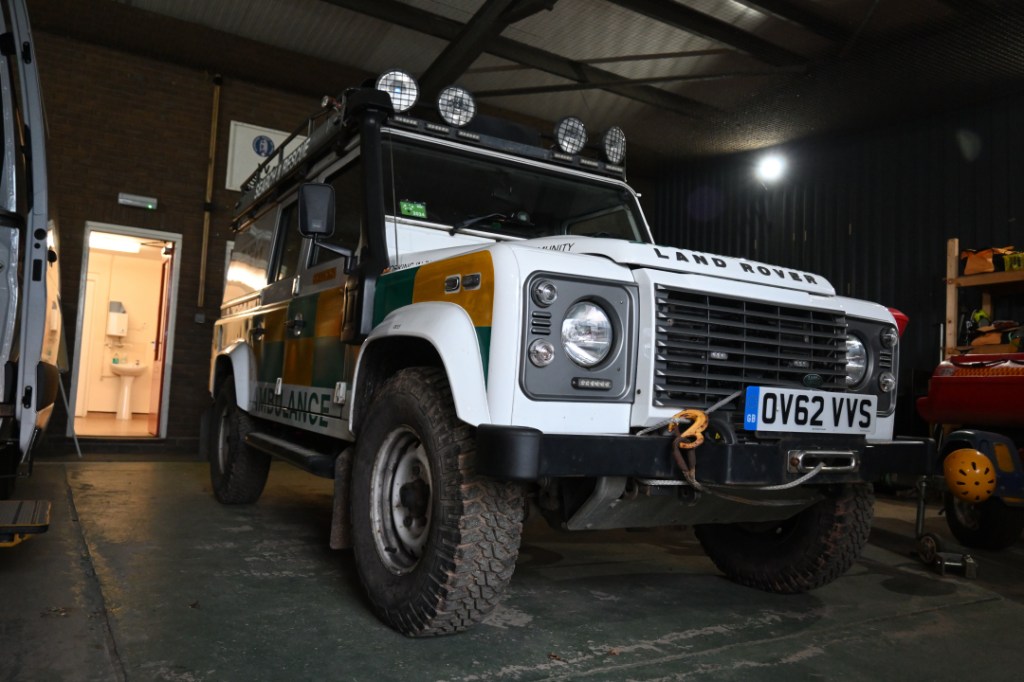
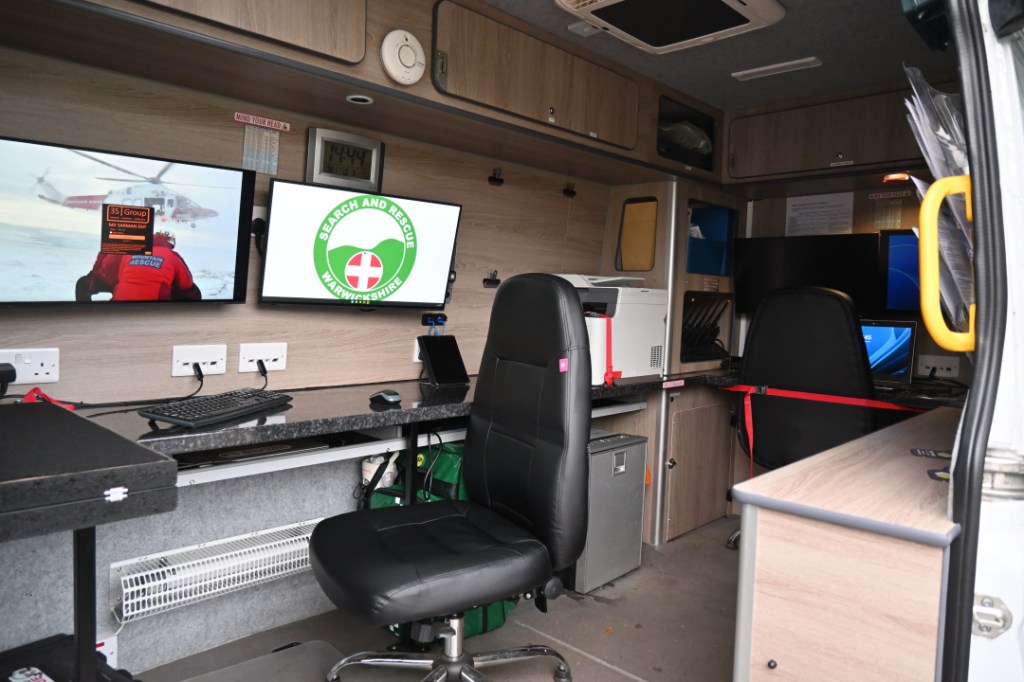
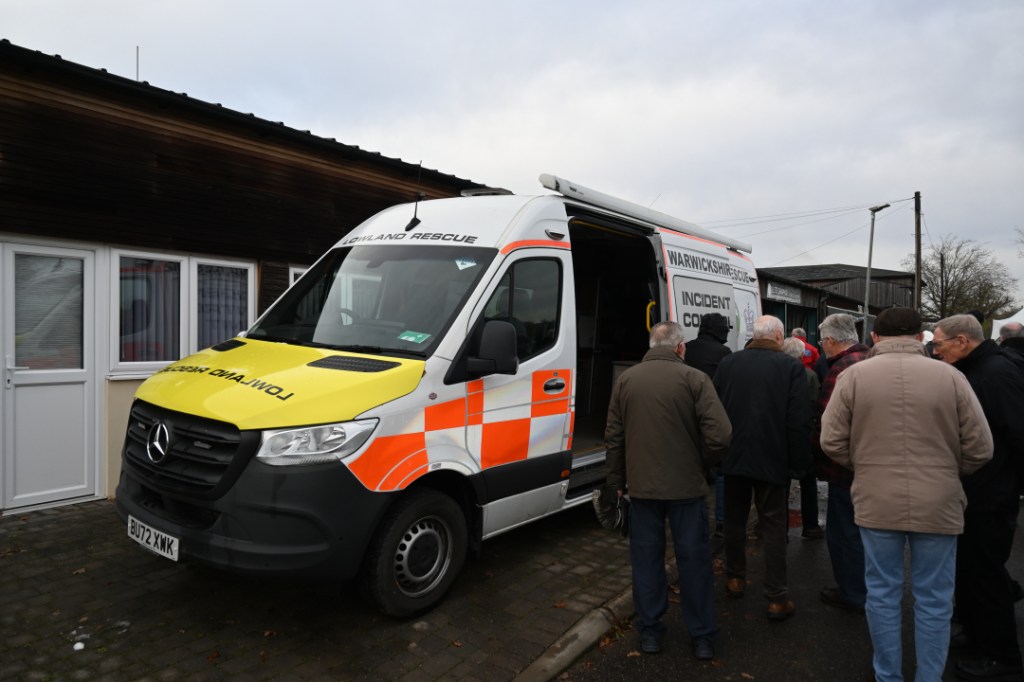
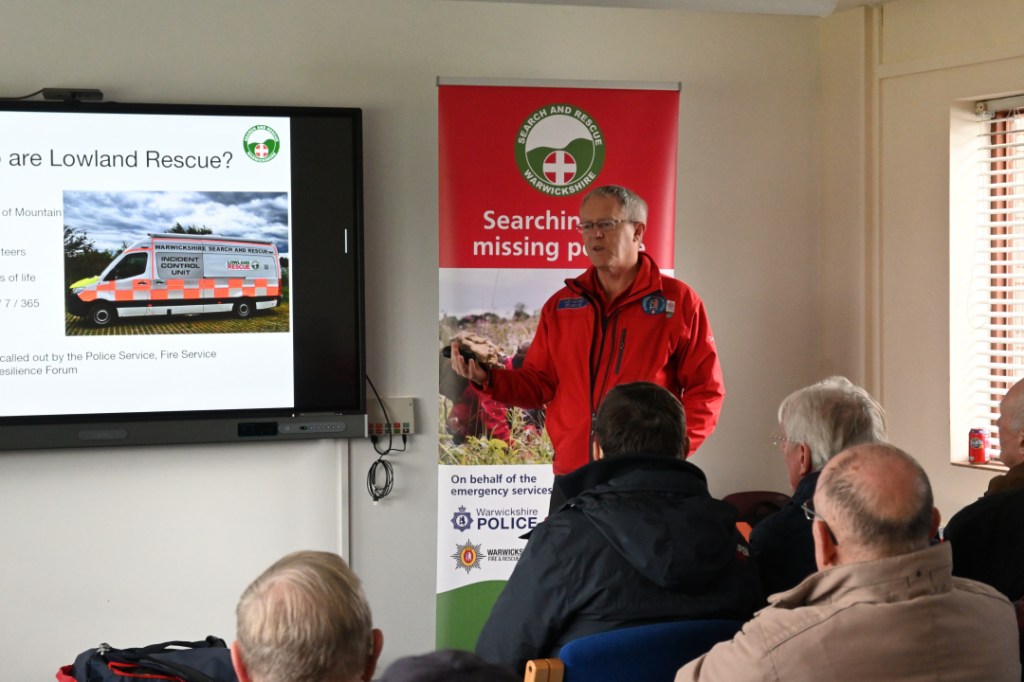
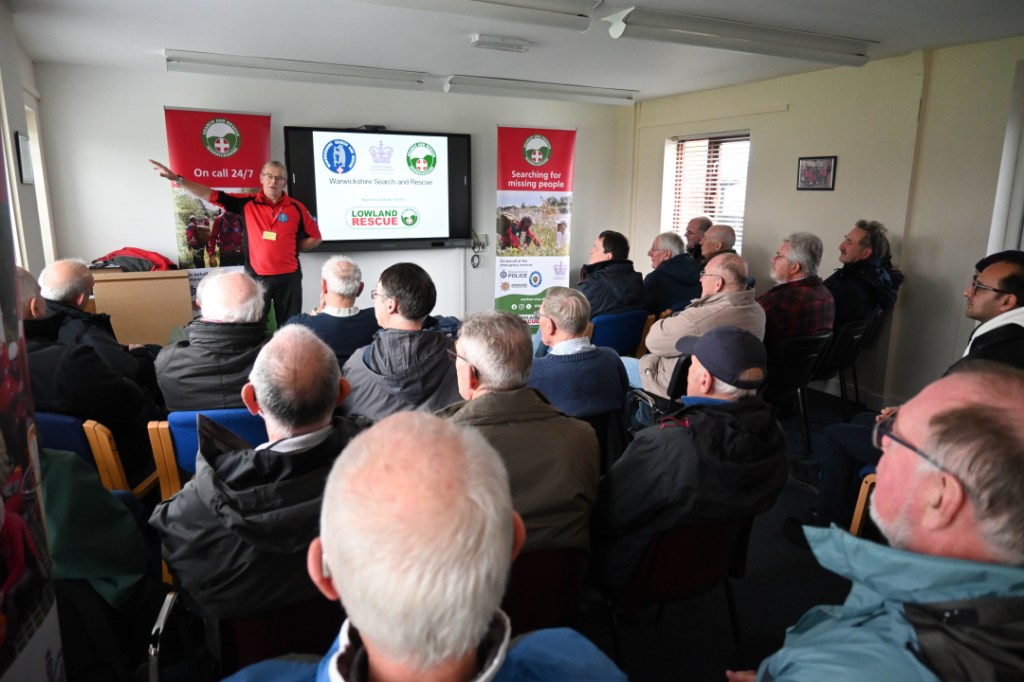
This month 24 men from MIRTH went to learn about the work of the Warwickshire Lowland Rescue team.  The lowland rescue team is a group of trained volunteers who work alongside the emergency services providing support searching for missing people. Typically they will be looking for vulnerable missing people. They have been called out to assist over 70 times so far in 2024. They are equipped to search on land and also carry our searches on inland waters.

After a most informative talk we were shown some of their equipment including their mobile incident support vehicle and boats. They also use drone technology and dogs to assist in searches. 

You read about their work on the website https://www.warksar.org.uk/, they are all volunteers but need support to pay the running costs of the organisation.  If you want to make a donation to help their work you can click on the button below to go to their Justgiving Page.

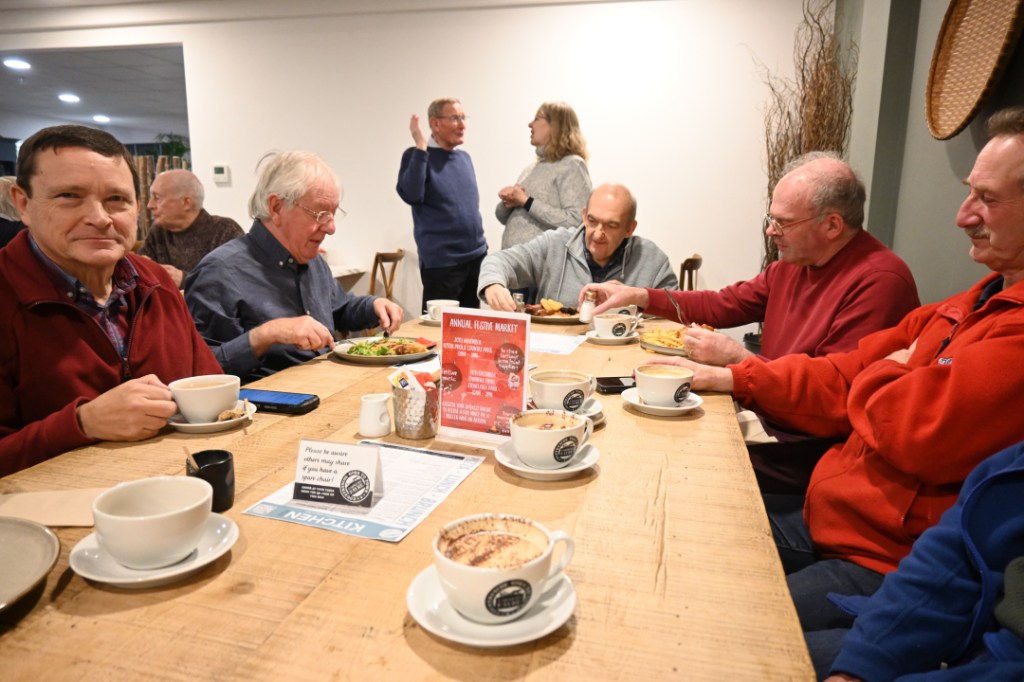
As always on a mirth trip food was involved, we had a great lunch at the Farmer’s Fayre Restaurant on the Stoneleigh Showground.

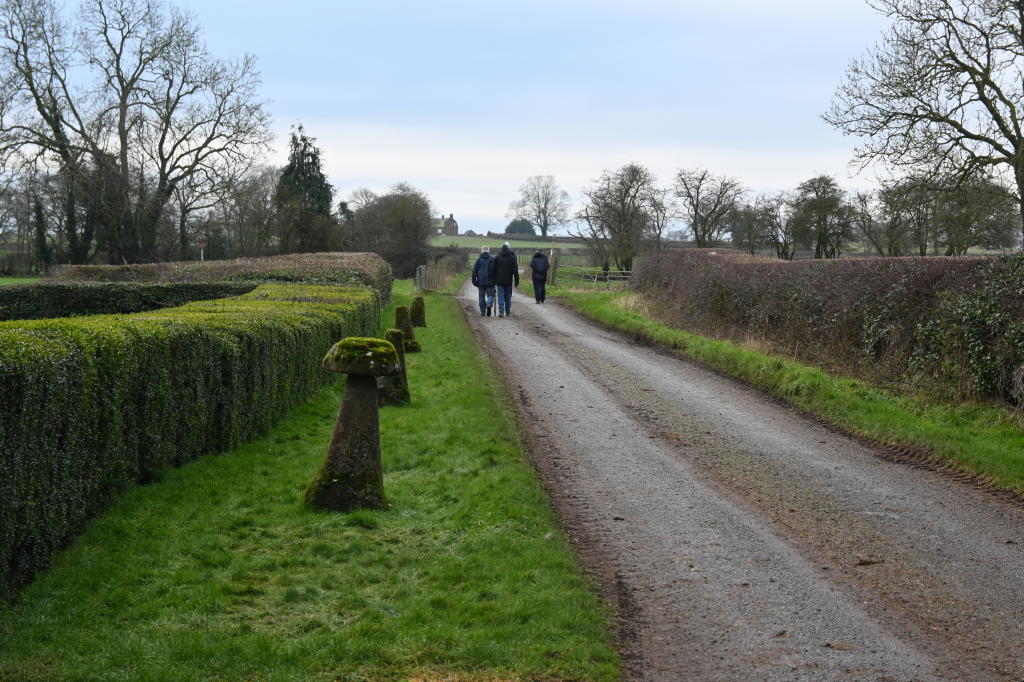
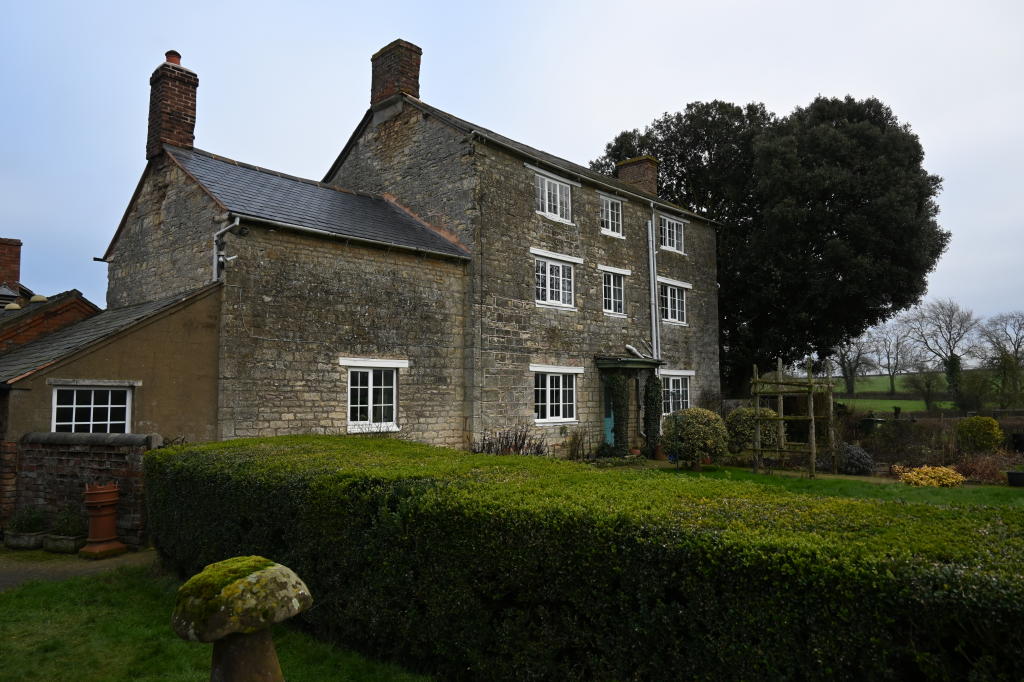
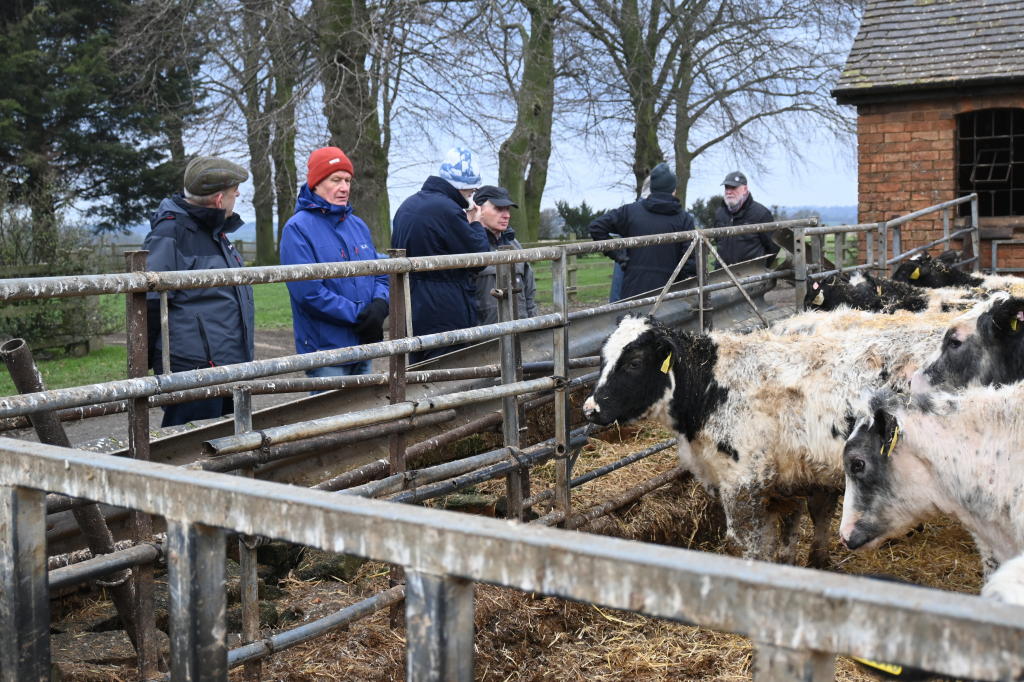
Walking around Kenilworth

This month we walked around Kenilworth Common. It was good to welcome two MIRTHers to their first walk with us.

Richard had planned a route that passed through the common crossing the railway and over to abbey fields. 

We walked across Kenilworth Common enjoying the autumn colours and passing a few interesting industrial remains from a bygone era. 

There is always something new to learn about Kenilworth,  one MIRTH member pointed out a row of houses in Lower Ladyes Hill that was used as a location in the film “Nativity!”.

Some discussion was had around the Windmill. Was it a windmill or a disguised water tower? When I was back home, some research revealed it was built 1778 as a windmill and later converted to a water tower before becoming a house around 1974.

After a 4 mile walk, we were all ready for Lunch at The Tiltyard where we were pleased to be joined by another few members and enjoyed lunch and conversation.

Commonwealth War Graves

This month after our lunch and an opportunity to catch-up with each other we had a fascinating talk by David Harkness. He talked to us about the history of the Commonwealth War Graves Commission. The organisation was established in 1917 to ensure servicemen who died in the great war (first world war) were buried and remembered. The organisation now looks after graves at over 23,000 locations around the globe.

In addition to the well known sites the CWGC looks after sites both at home, in Europe and around the world as far afield as Australia. Servicemen were buried close to where they had fallen and all treated equally, a Brigadier might be found buried next to a Private with a identical headstone. Rank made no difference in death. You can also find CWGC graves in English churchyards around the country. Bodies were not repatriated but if a serviceman had returned back home injured but died shortly after as a result of his injuries they were given the honour of a military funeral and the CWGC looks after these graves today.

Walking around Leamington’s Street Art

Due to the recent rain this month’s walk was an urban trail. We were blessed with a dry morning for our walk. (The afternoon was rainy again and some of us got a little wet walking back to our cars after lunch.)

The walk was devised to take us on a tour of Leamington’s vibrant street art scene. As you can see in the photos, the colours are vibrant and bright even on a dull day.

Being a group of Mirth men it is all too easy to get distracted along the way. In Jephson Gardens a large delivery of topsoil had just arrived, this needed investigation. (Apparently from Bristol, the flower beds  need topping up every 3 to 4 years.) We then carried on to explore the street art starting with the elephants near the bridge. 

As we walked around the Althorpe Street industrial estate we were intrigued by 44 year old Rolls Royce Silver Shadow being restored in one of the small garage units. We were provided with an impromptu tour of the car.

We continued our walk around the south of Leamington passing one of the largest works on a gable end of a house in Shrubland Street.

We found our way to the Old Library for lunch.