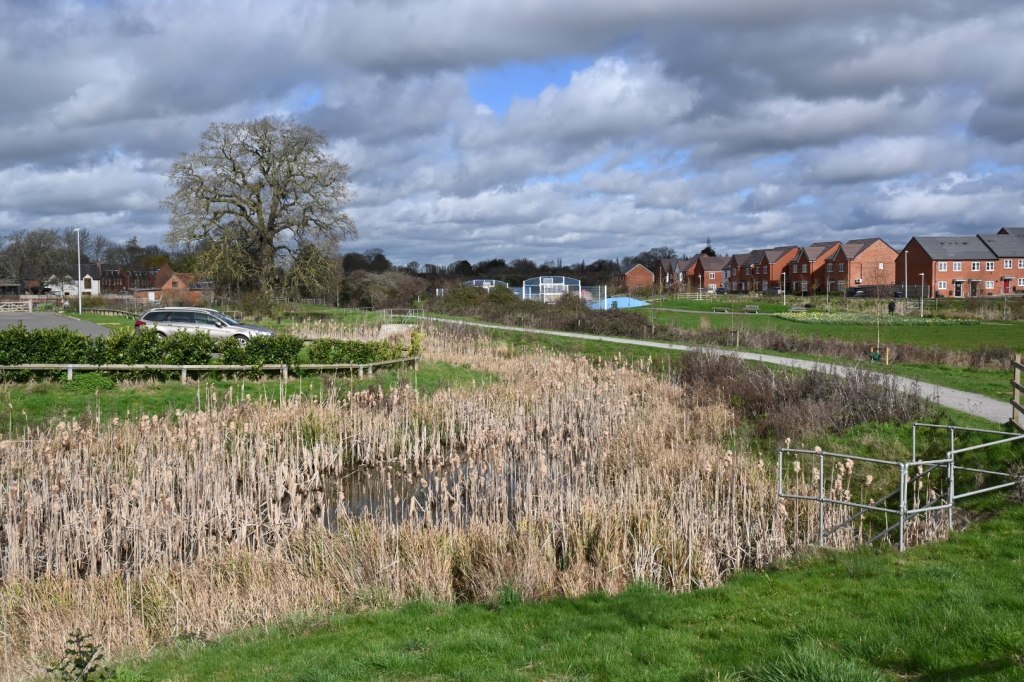
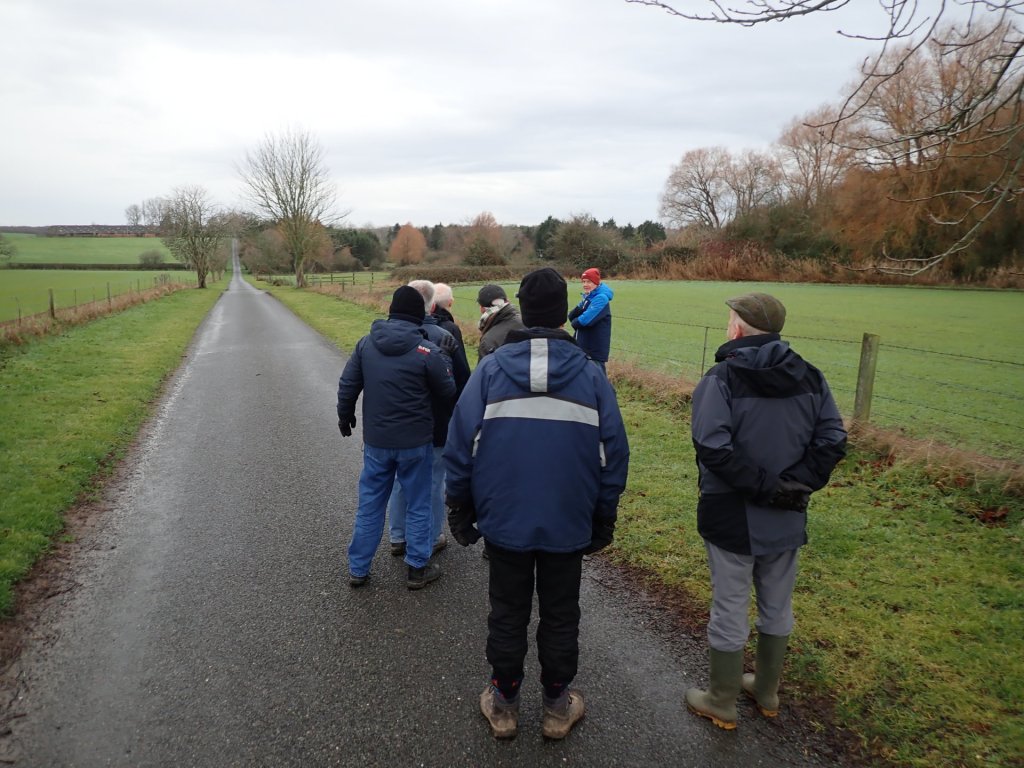
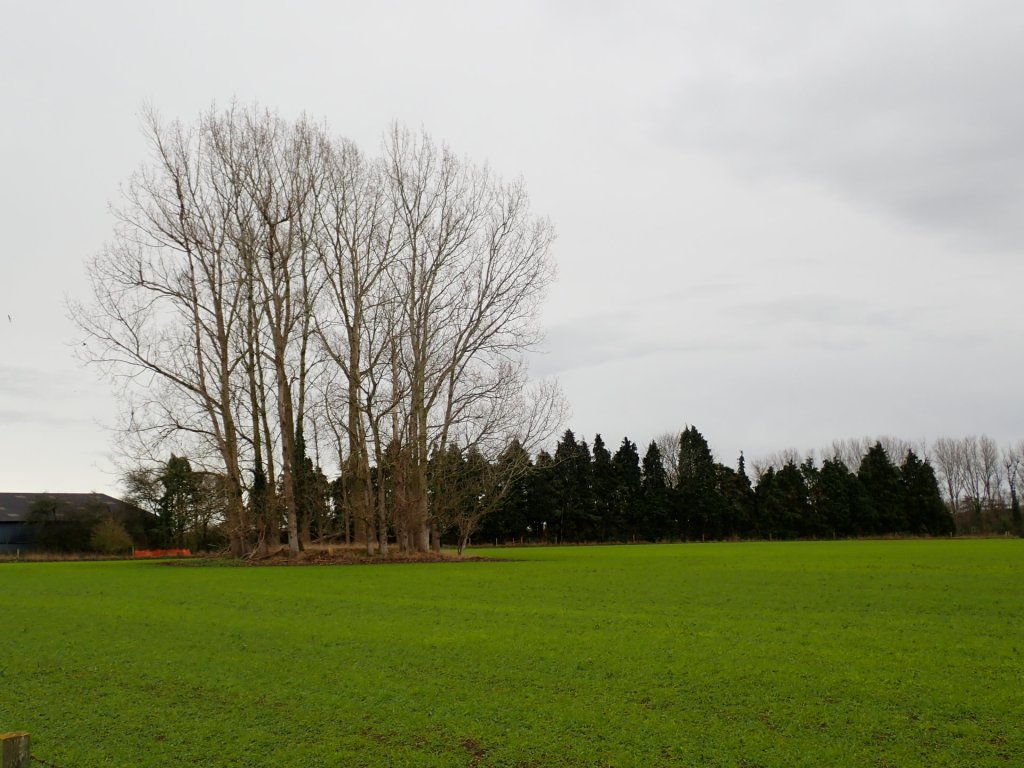
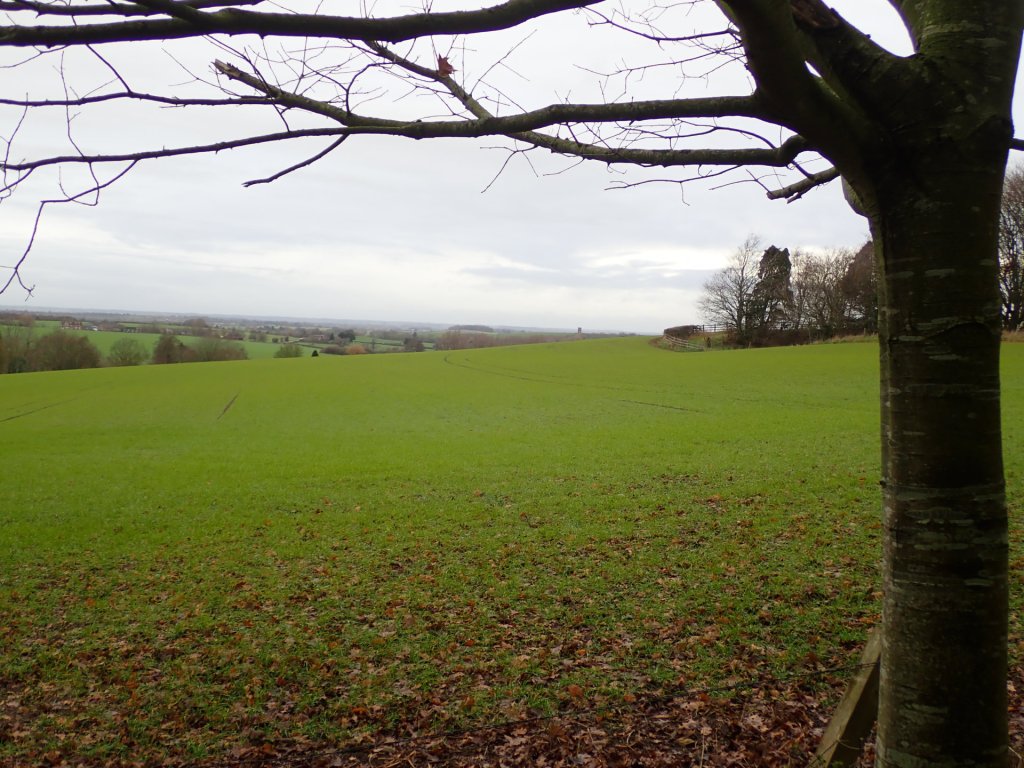
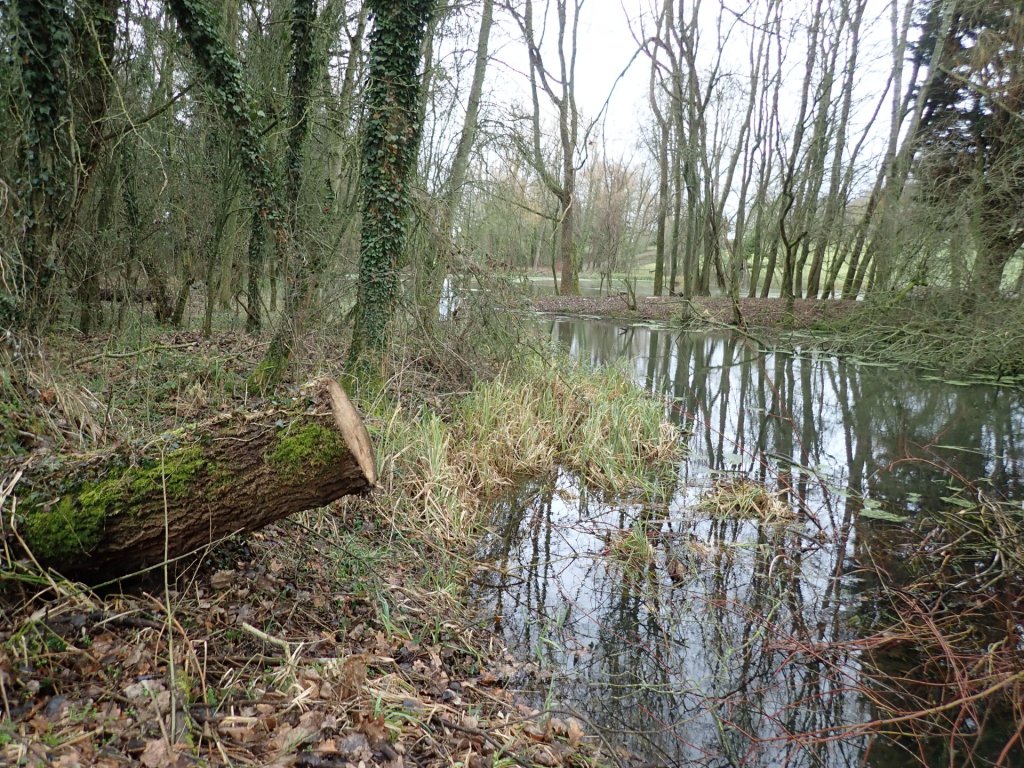
Over the last few years there has been a lot of house building around Leamington. This week we took a walk through one of these developments.
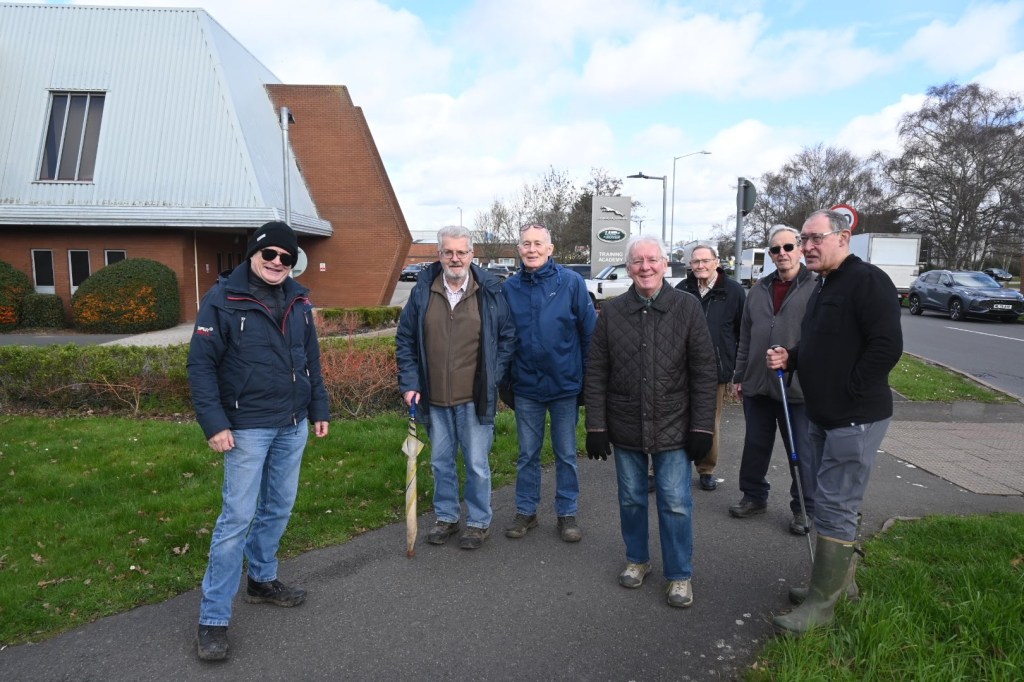
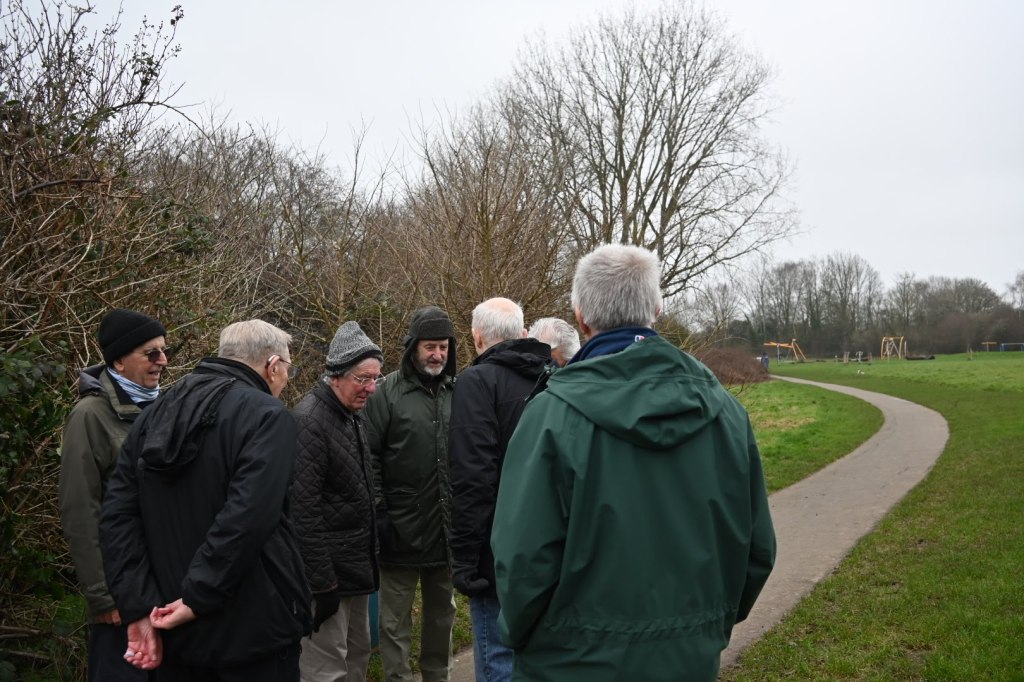
Setting off from the Royal Horse we walked past the industrial estates of Tachbrook Park before crossing Europe way. This led us into the new housing developments.
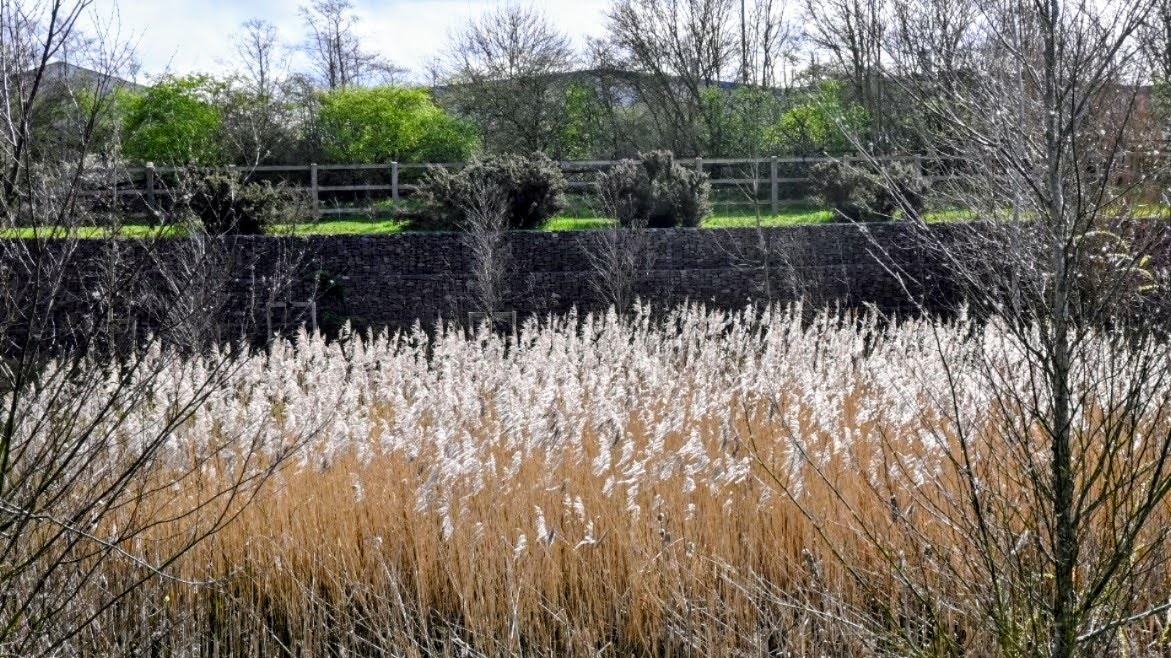
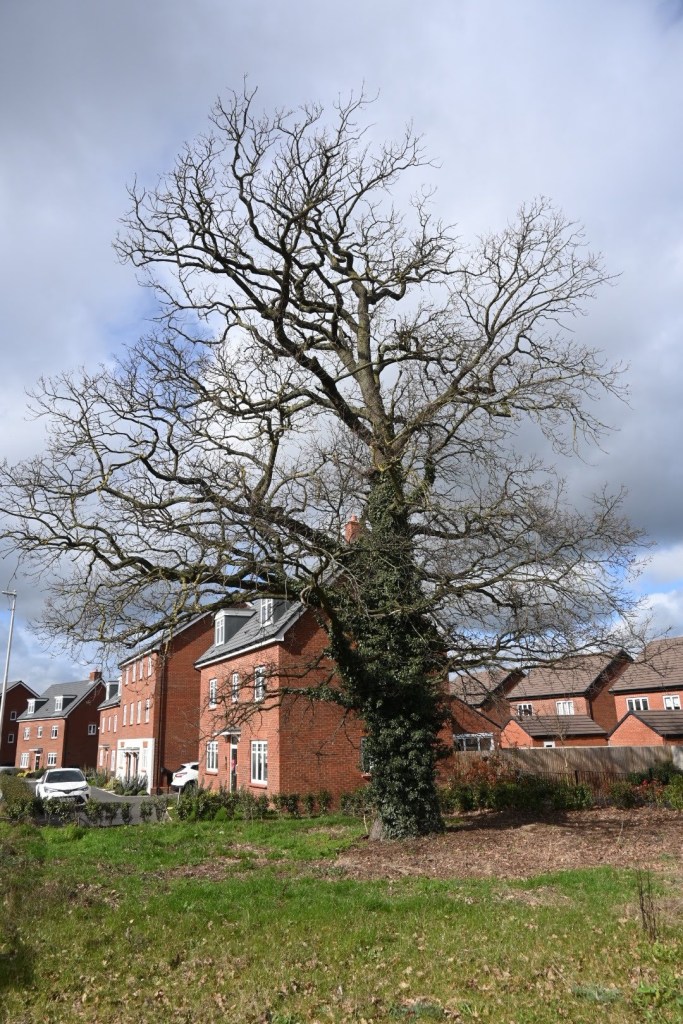
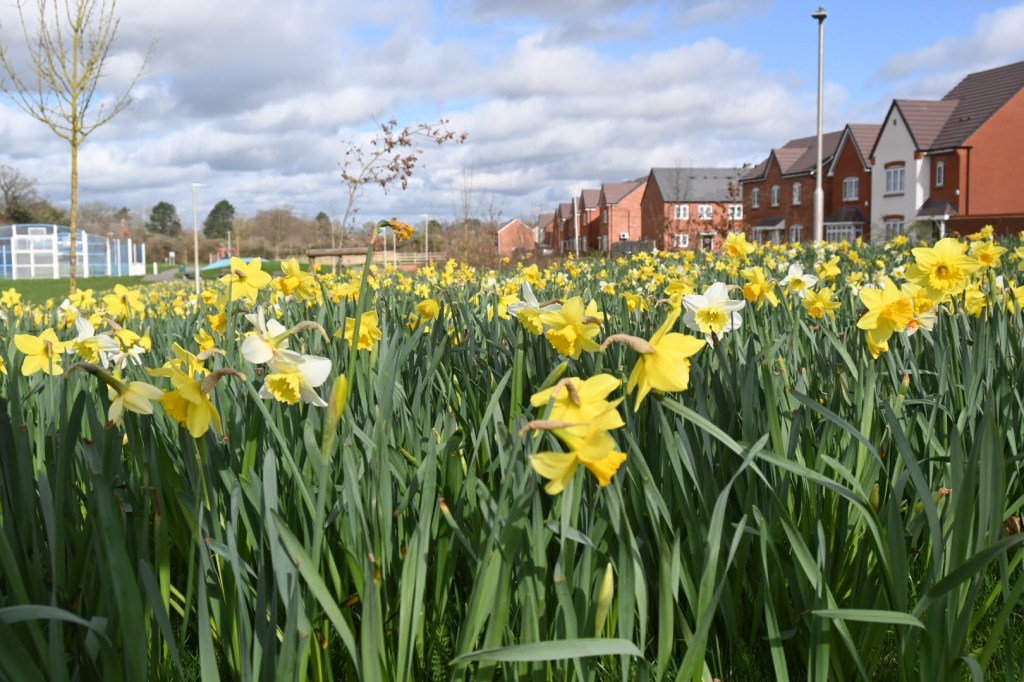
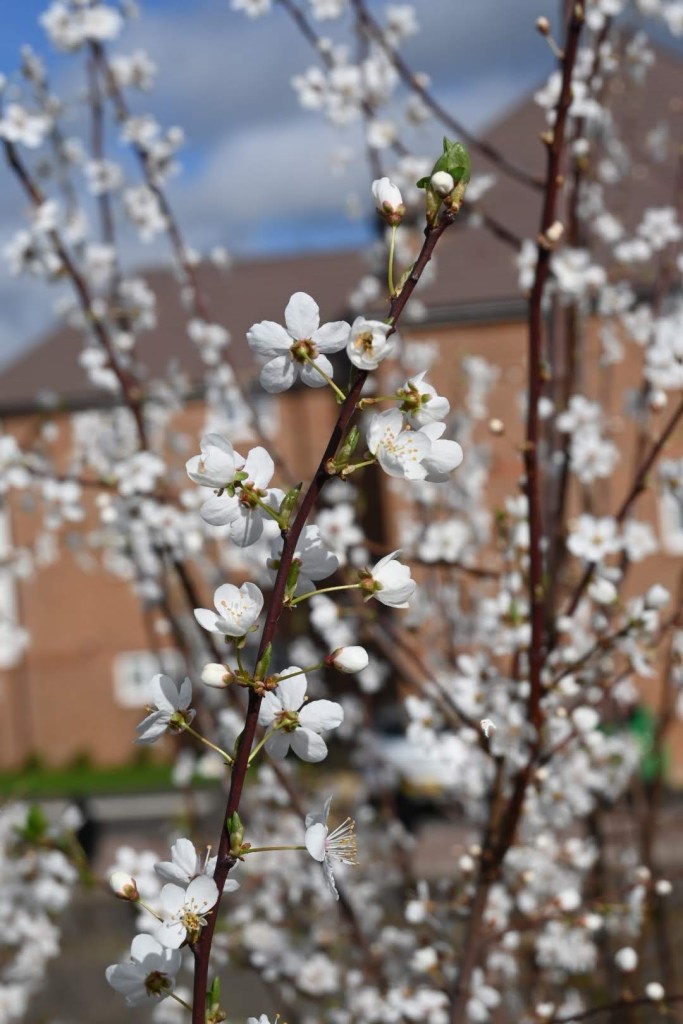
We walked through the development, we found ancient trees that had been protected, ponds and newly planted shrubs and daffodils blooming.
Only a few years ago this was farmland, now it is home to hundreds of people with a new primary school. There is still more development planned in the area as evidenced by the groundworks. I also came across a new phrase, the “show house” seemed to have been replaced with a “customer experience suite”, sounds much more exciting!
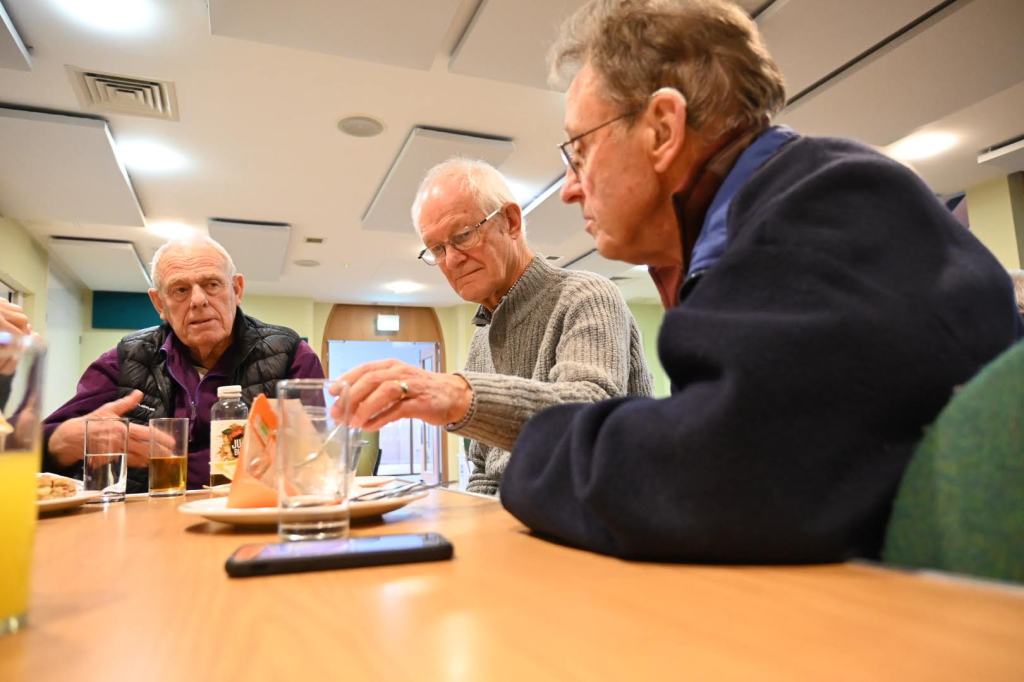
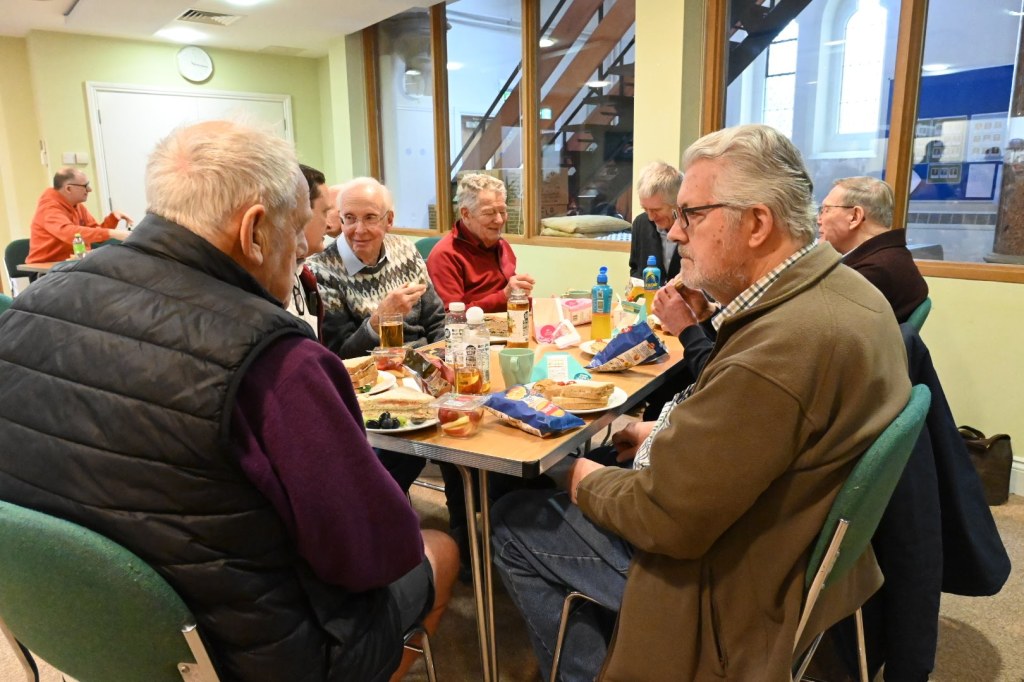
After our walk we returned to the Royal Horse for lunch.
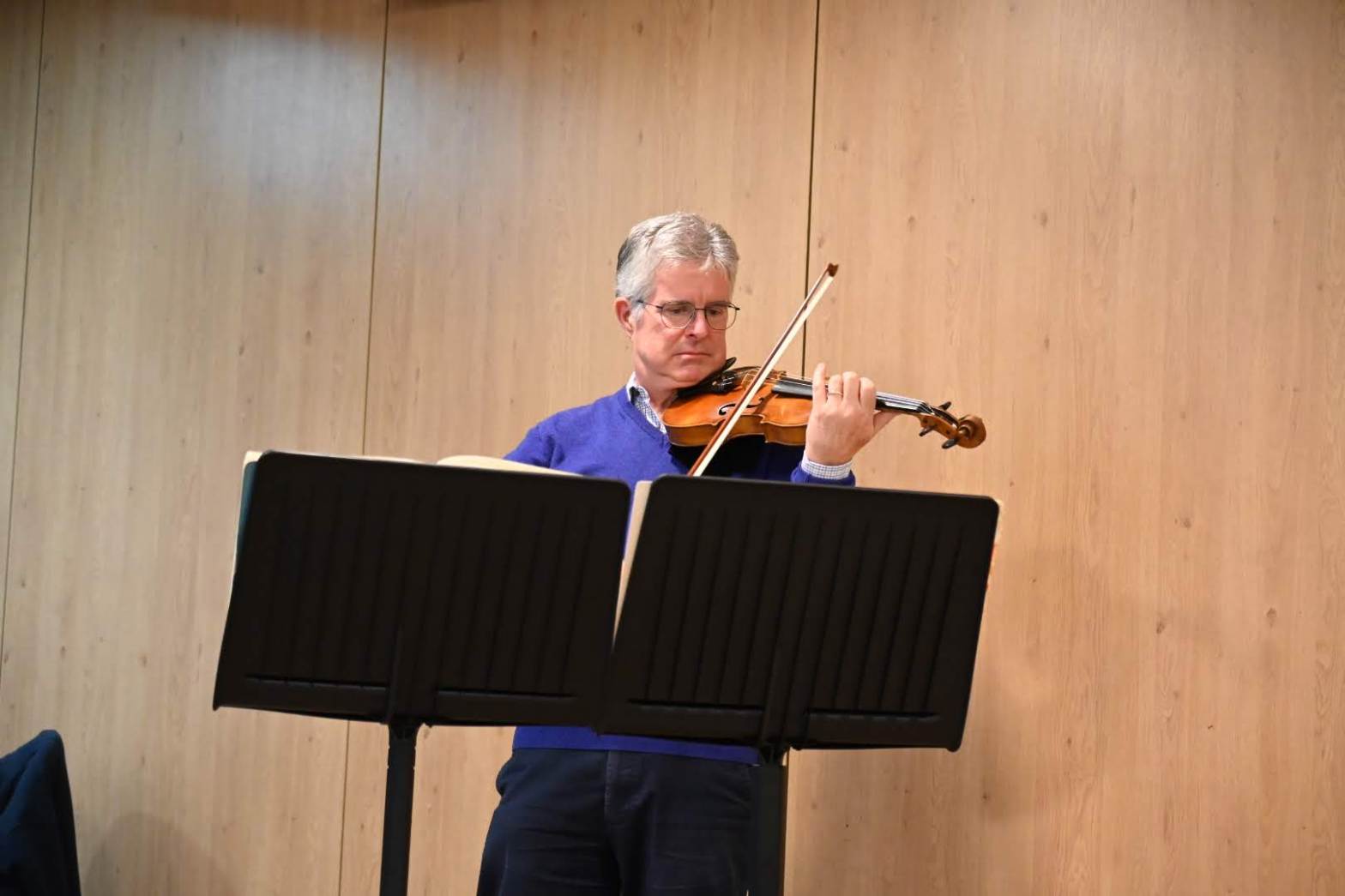
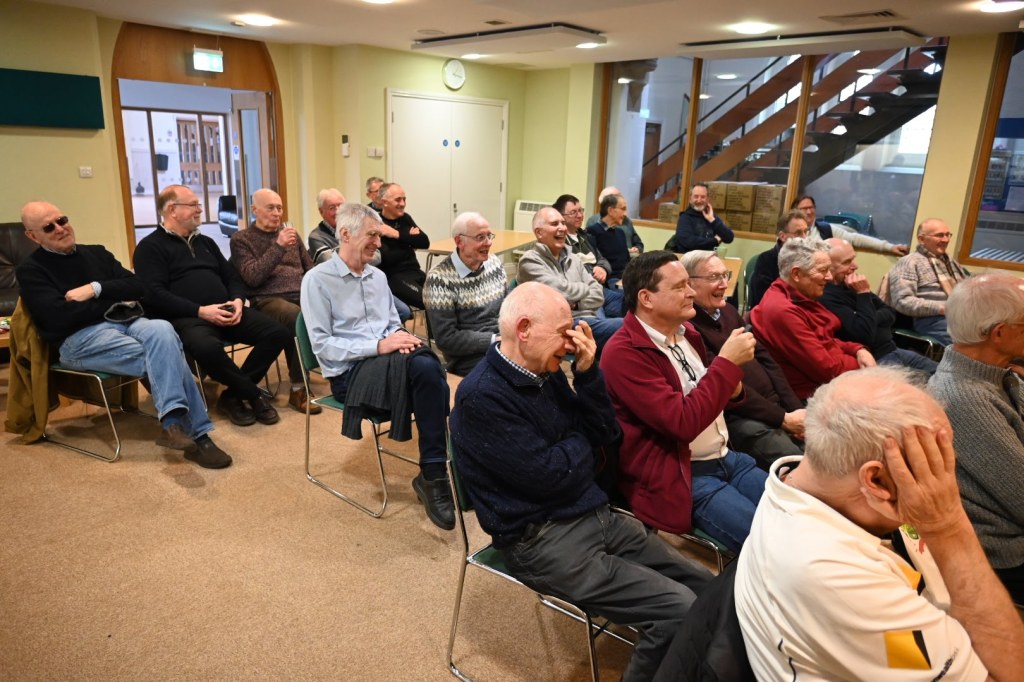
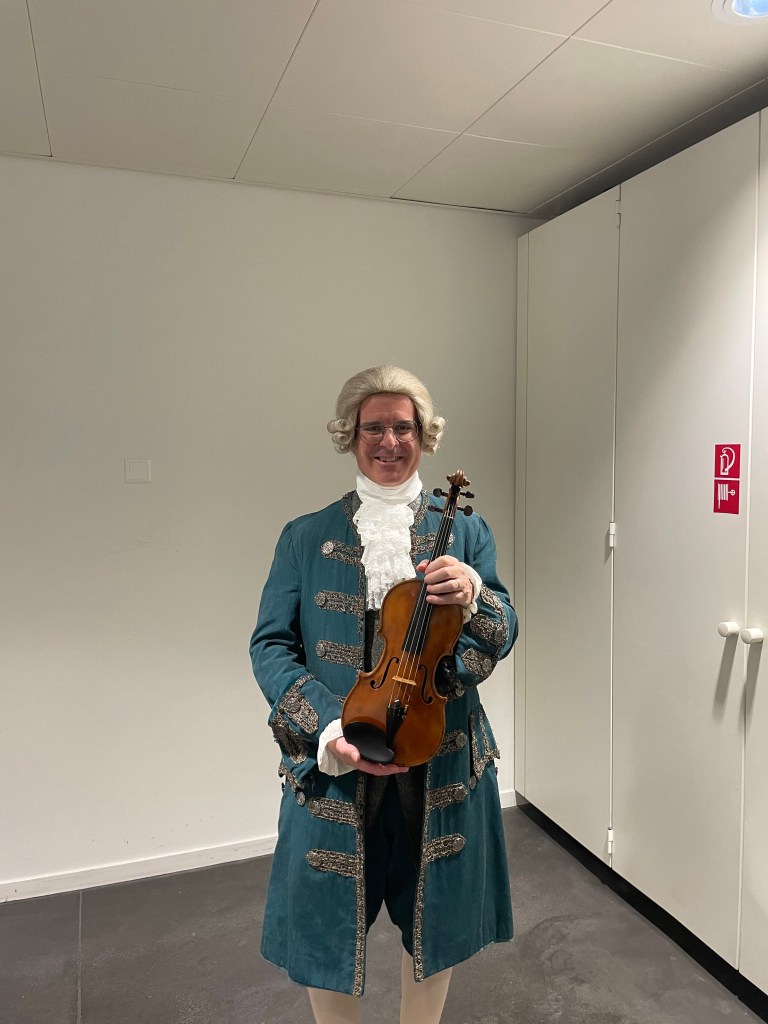
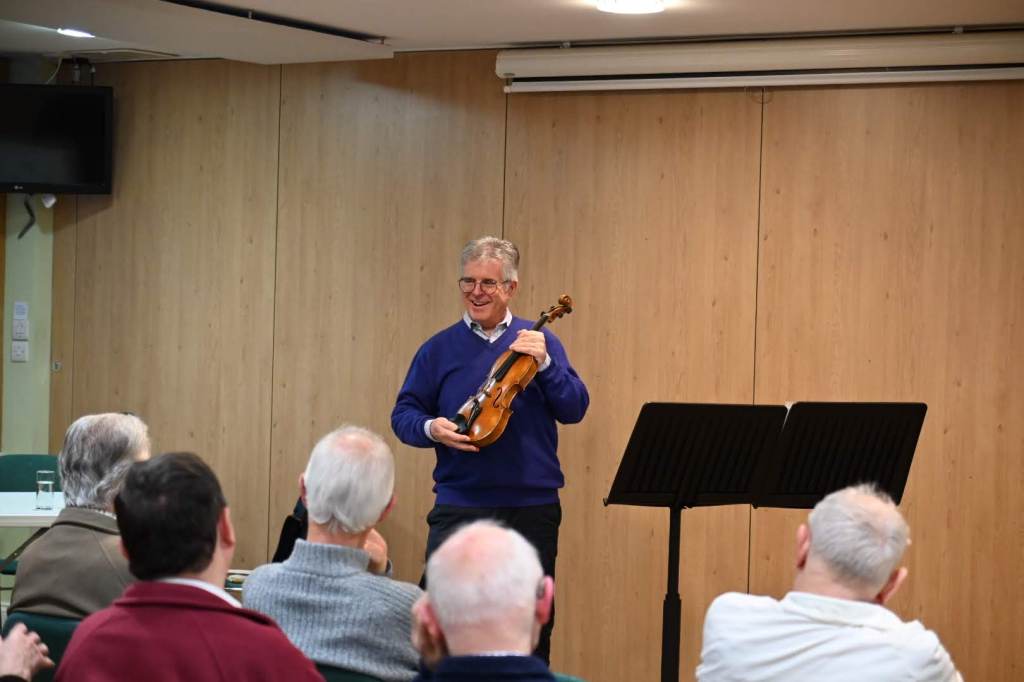
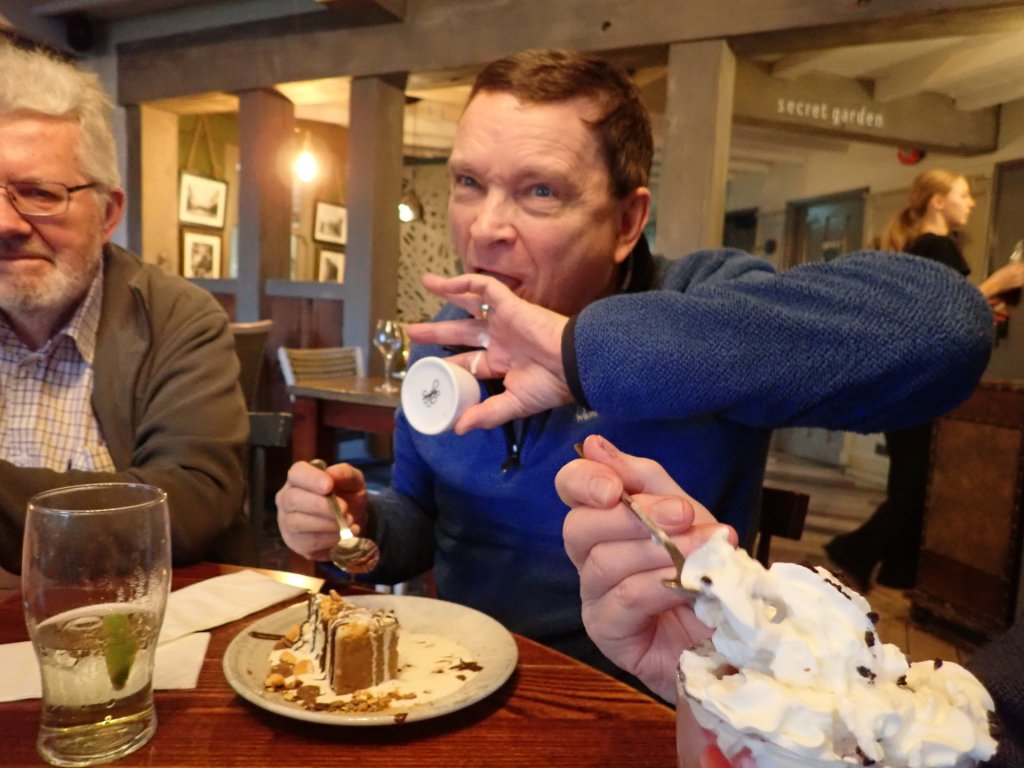
Life On The Fiddle? Was our guest speaker less than honest? Were the DWP interested in his financial affairs? Thankfully not! Jeremy Sampson, accomplished musician and member of many noted ensembles, was here to take us on a journey through a most interesting life. By way of introduction, he performed the Prelude from JS Bach’s Partita no.3.
Jeremy is from a musical family, as both his mother and sister played piano to a high standard. An interest in playing both piano and violin took hold at an early age, although the first instrument with which he engaged was a ukulele, a surprise gift from his grandmother!
He made steady progress through choir school at Lichfield and a music scholarship at Oundle School. Jeremy’s parents were both Christians, and it was at this stage of his life that the Christian faith became prominent. (There was a brief period in his 20s where doubt crept in but this soon passed).
Next in his life was a four year stay at The Royal College of Music where he got his degree. While there, he experienced performing at the Royal Albert Hall for the first time and found it quite illuminating.
We were privy to a number of anecdotes in relation to his early career, including a ‘sliding doors’ moment when applying for one of his first jobs. There were tales of brushing shoulders with the great and the good, such as Felicity Kendal and Mick Jagger (who was mainly recognisable by his lips!) and an encounter with a Foreign Office diplomat which eventually led to an impromptu busking session on the River Rhine!
The latter part of the talk saw Jeremy reflecting on his preference for playing with smaller groups and ensembles, as the performances were more meaningful, as well as comparing how much better international musicians were treated in comparison with their UK counterparts!
Overall, Jeremy appeared content with the musical experiences of his life, and we were privileged to hear a few pieces on the violin to round off his talk.
It seems that ‘ A Life On The Fiddle isn’t too bad after all!
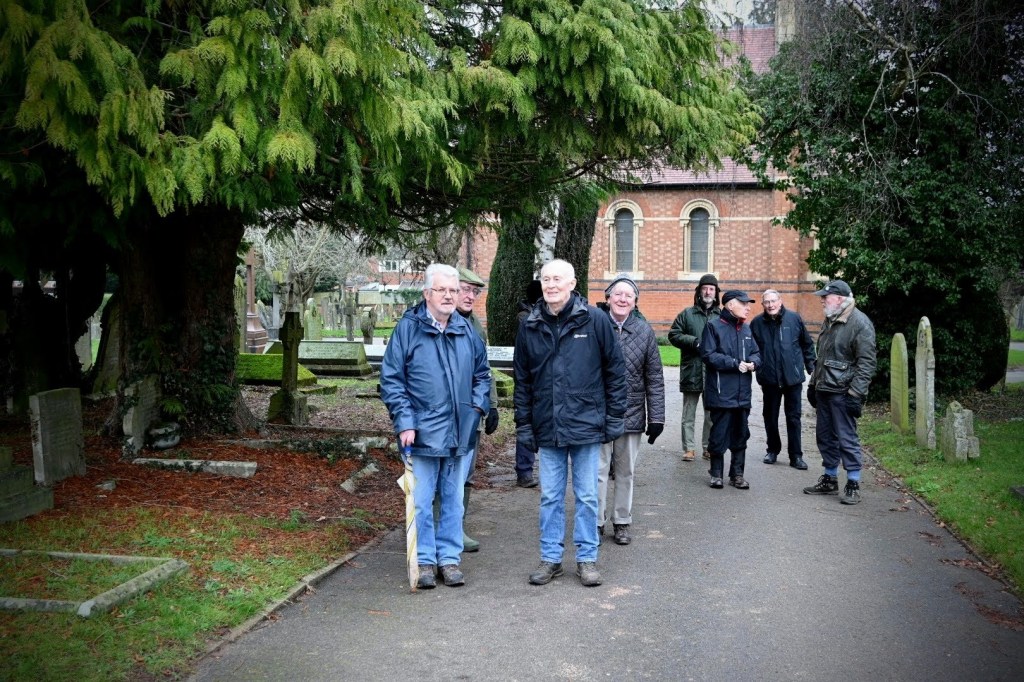
The weather has been very wet recently, many footpaths are very waterlogged and muddy. This month 11 of us walked around Whitnash.
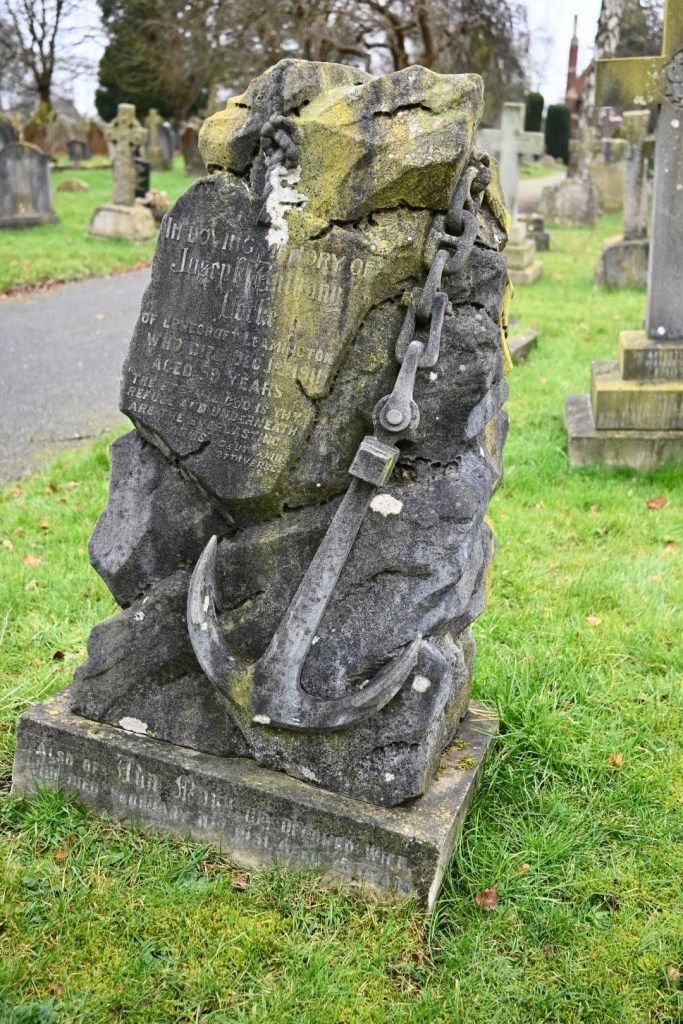
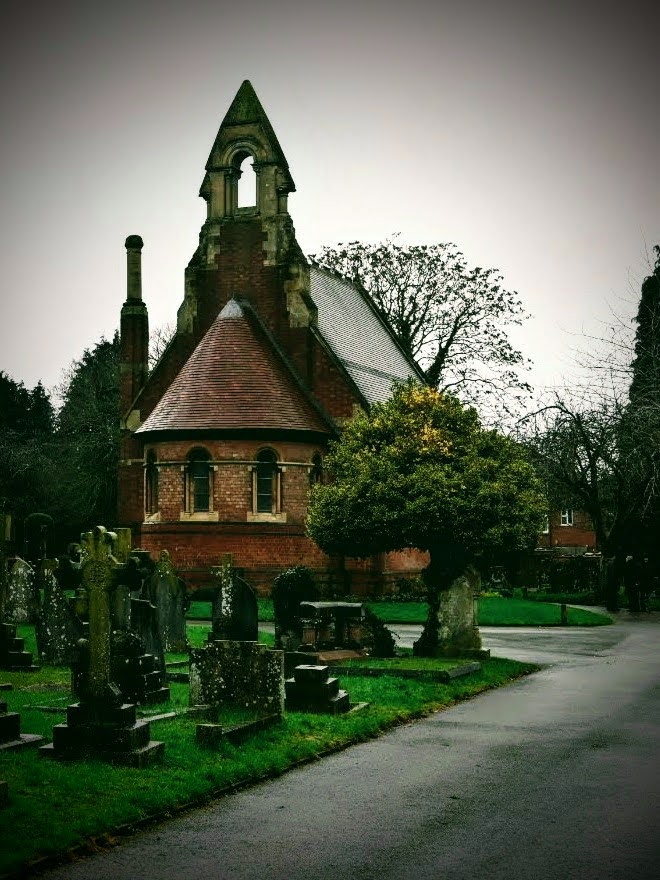
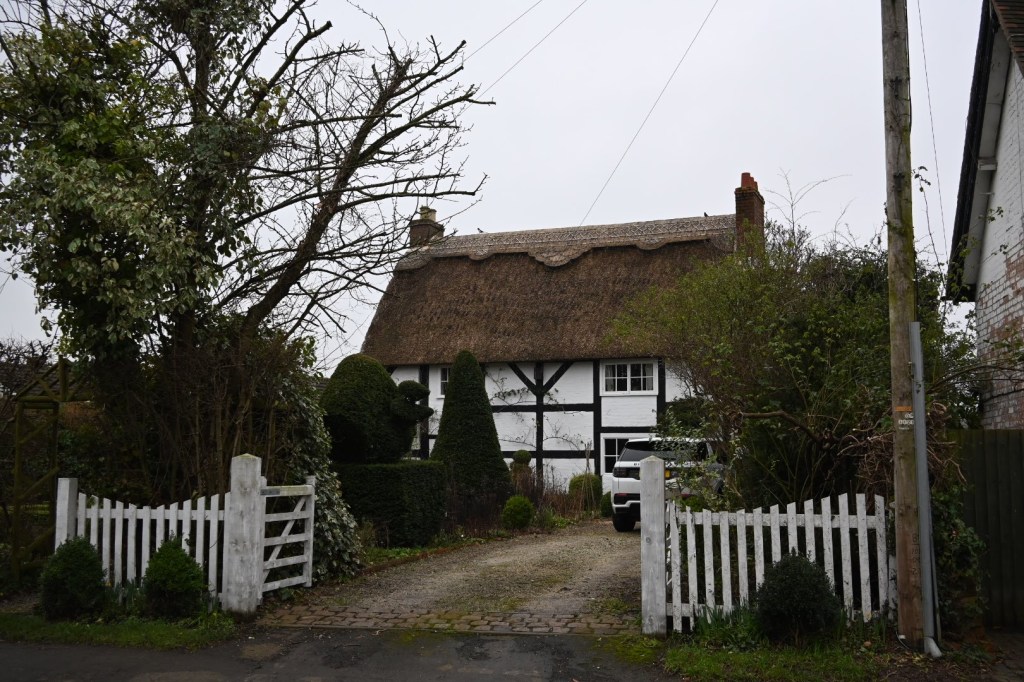
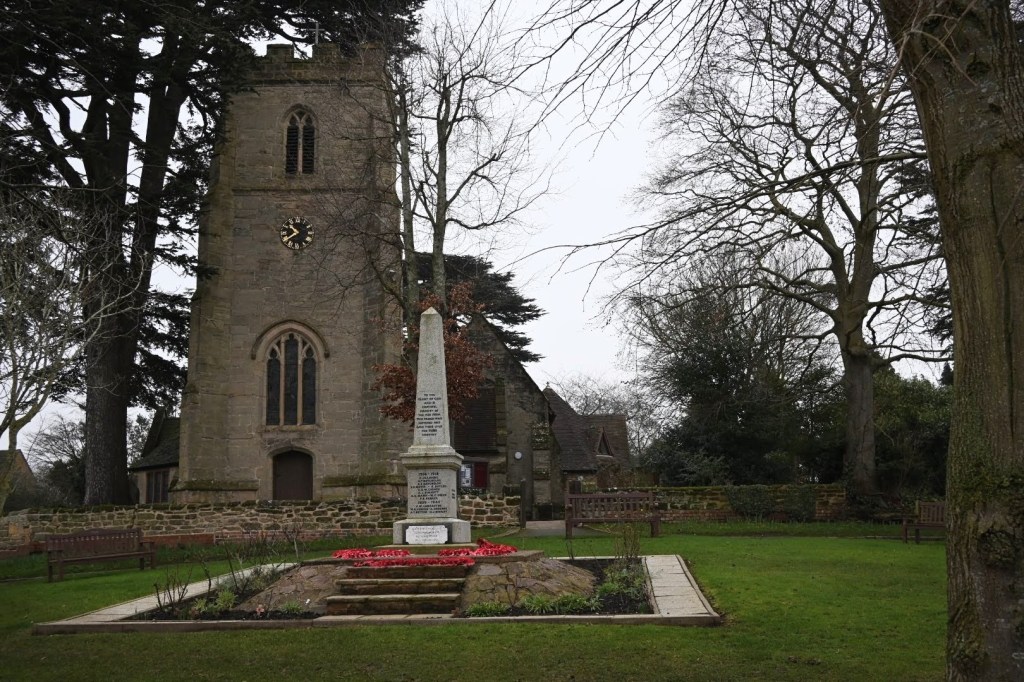
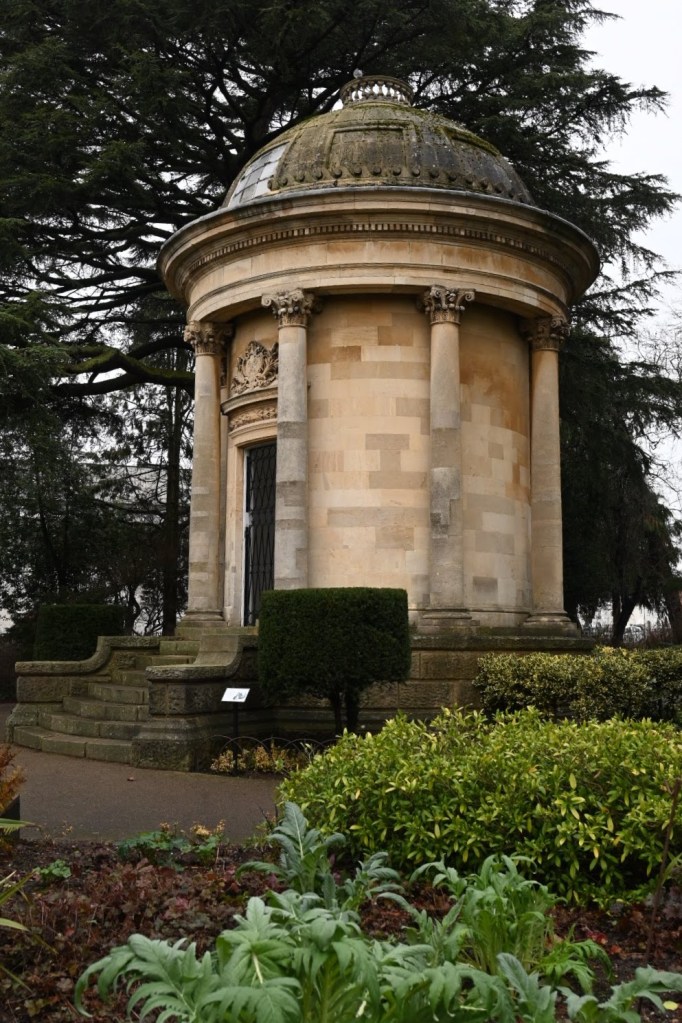
We crossed through the Leamington cemetery, this is full of interesting monuments. Some of these prompt interesting questions such as how did a Commander in the U.S. Navy come to be buried in Leamington, as far from the sea as you can get in England. We continued on our way past Whitnash Church and old cottages from the time Whitnash was a more substantial settlement than Leamington.
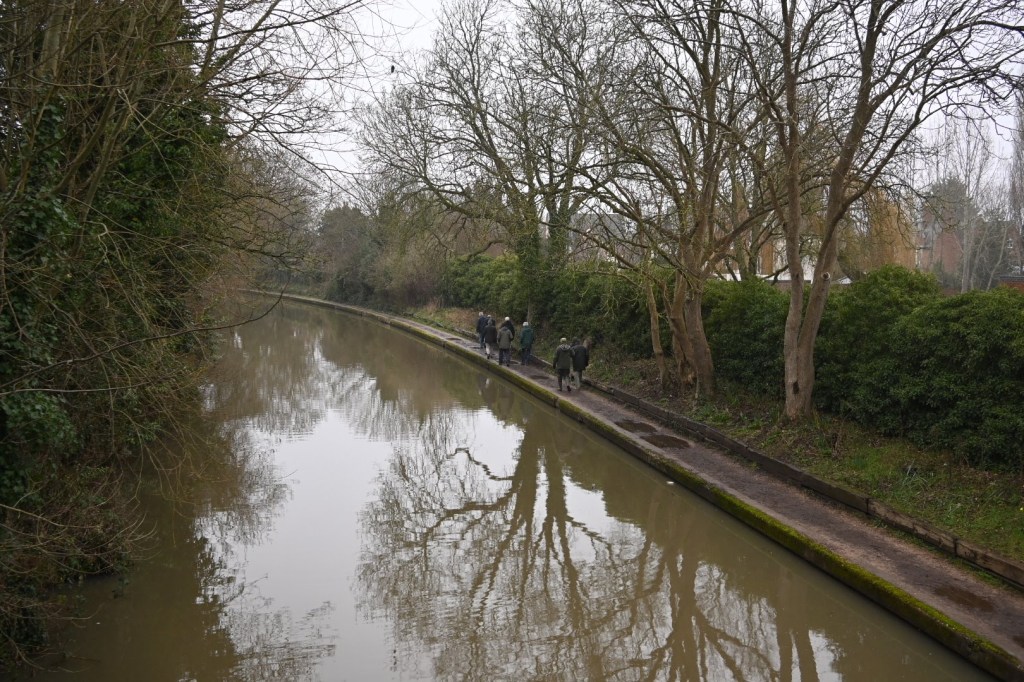
The last part of the walk took us along the canal finally passing back through the cemetery.
This brought us back to The Windmill just in time for lunch. As always we enjoyed our lunch and our conversations.
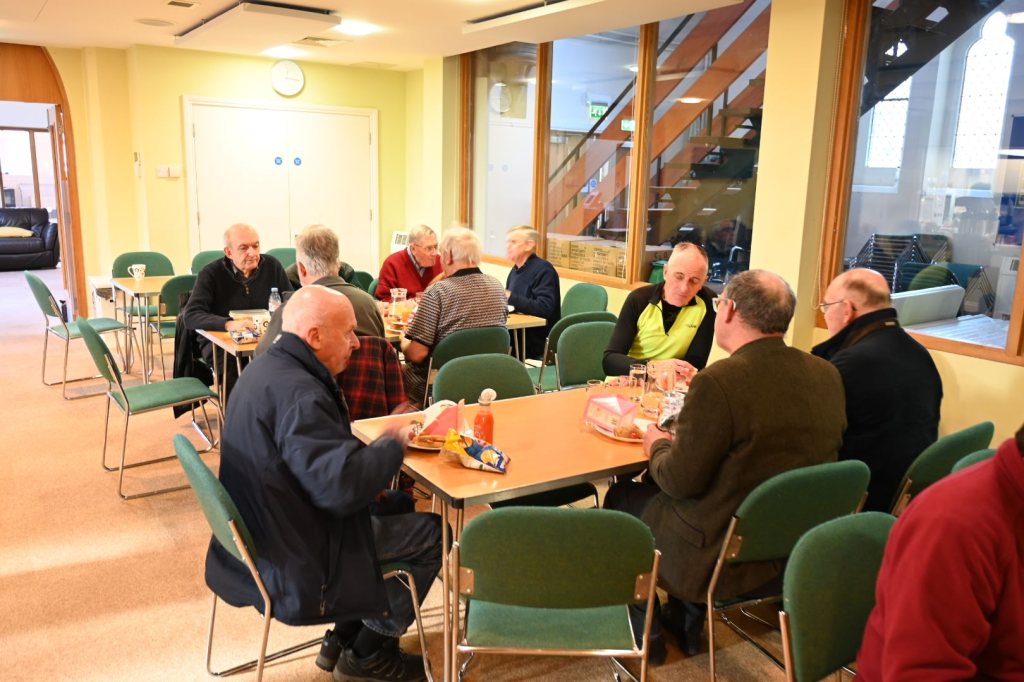
This was the first main mirth event of 2026. Twenty-nine of us gathered. We enjoyed our lunch and catching up with friends, old and new.
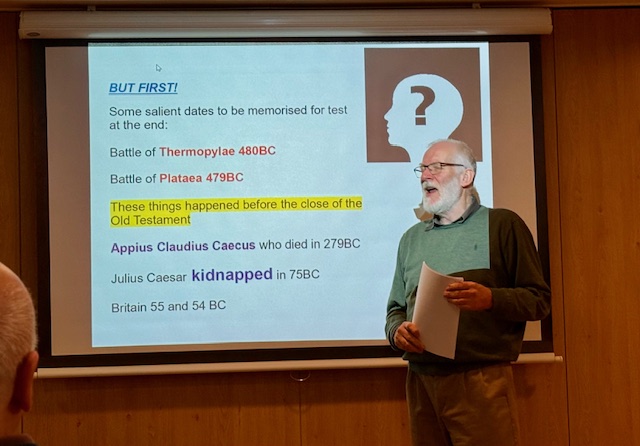
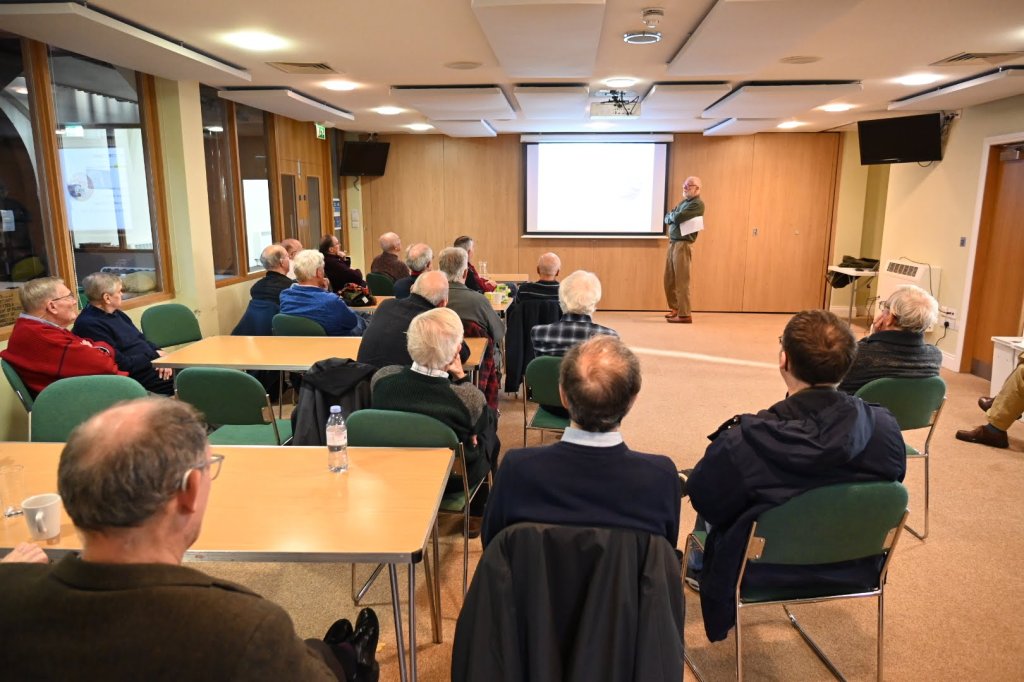
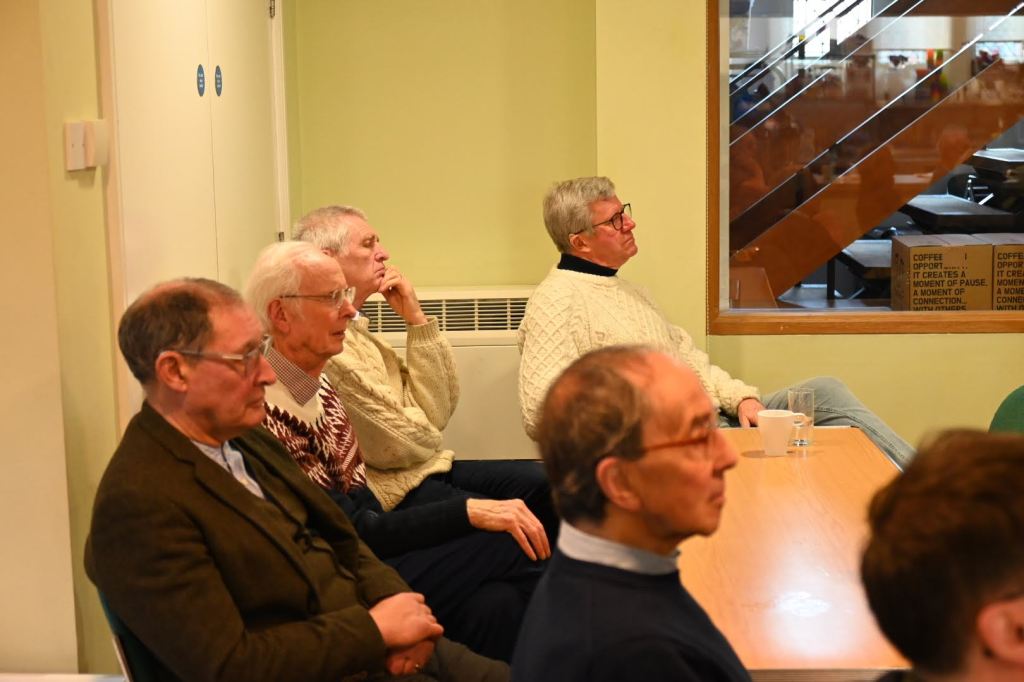
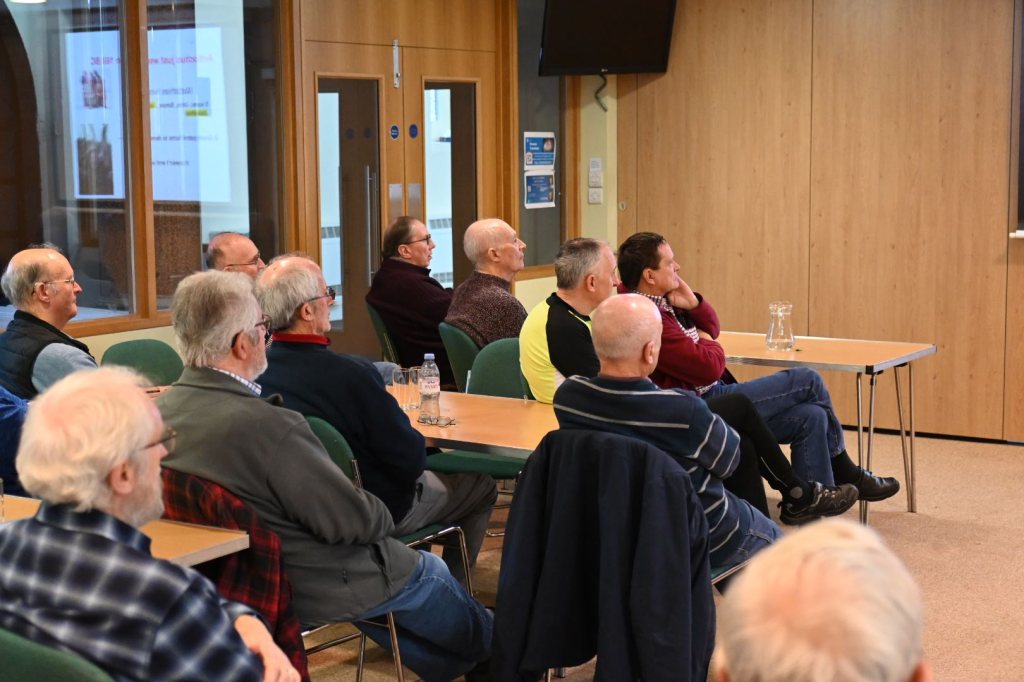
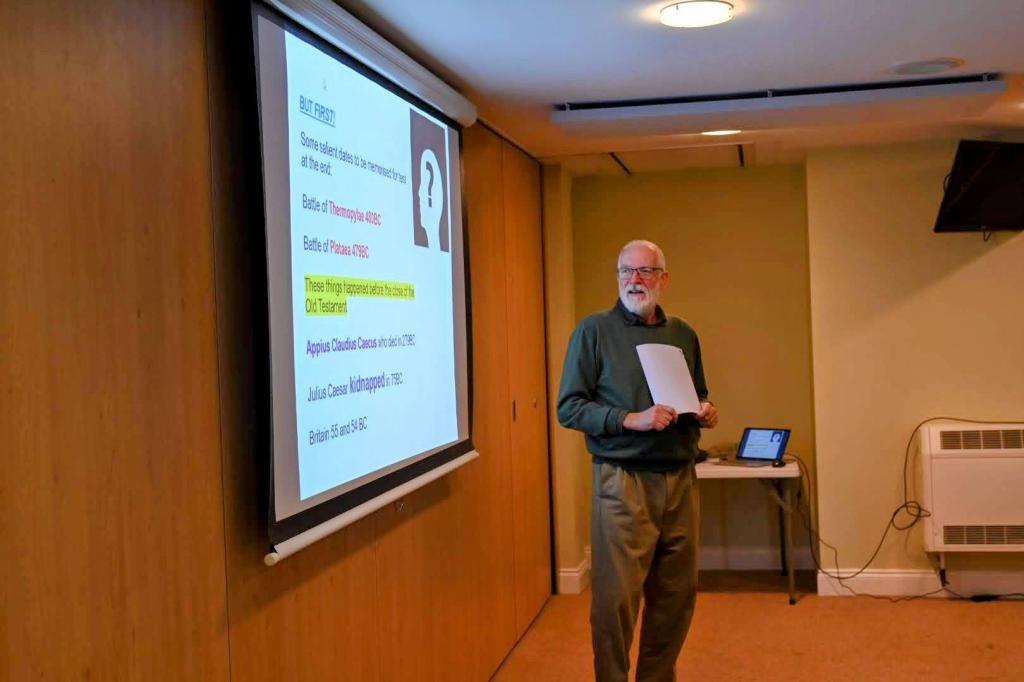
To kick off the new year, David Harkness came to talk to us about the 400 years between the end of the Old Testament and the beginning of the New Testament. It was a time of empires, double-crossing leaders and paranoid Kings. We learned about Alexander the Great, the Maccabees, and King Herod, among others. David entertained us and, at the same time, taught us new things about that period, which helped us understand the modern world a bit better.
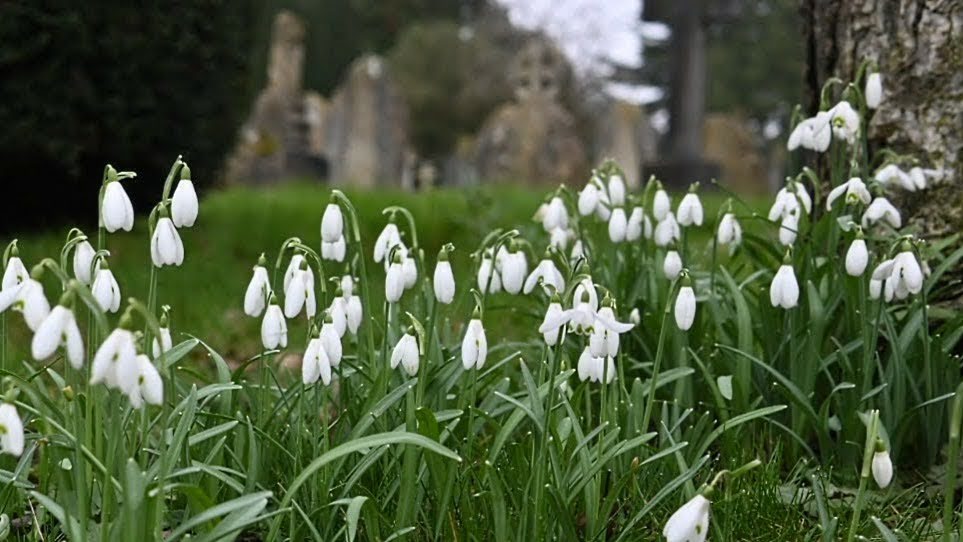
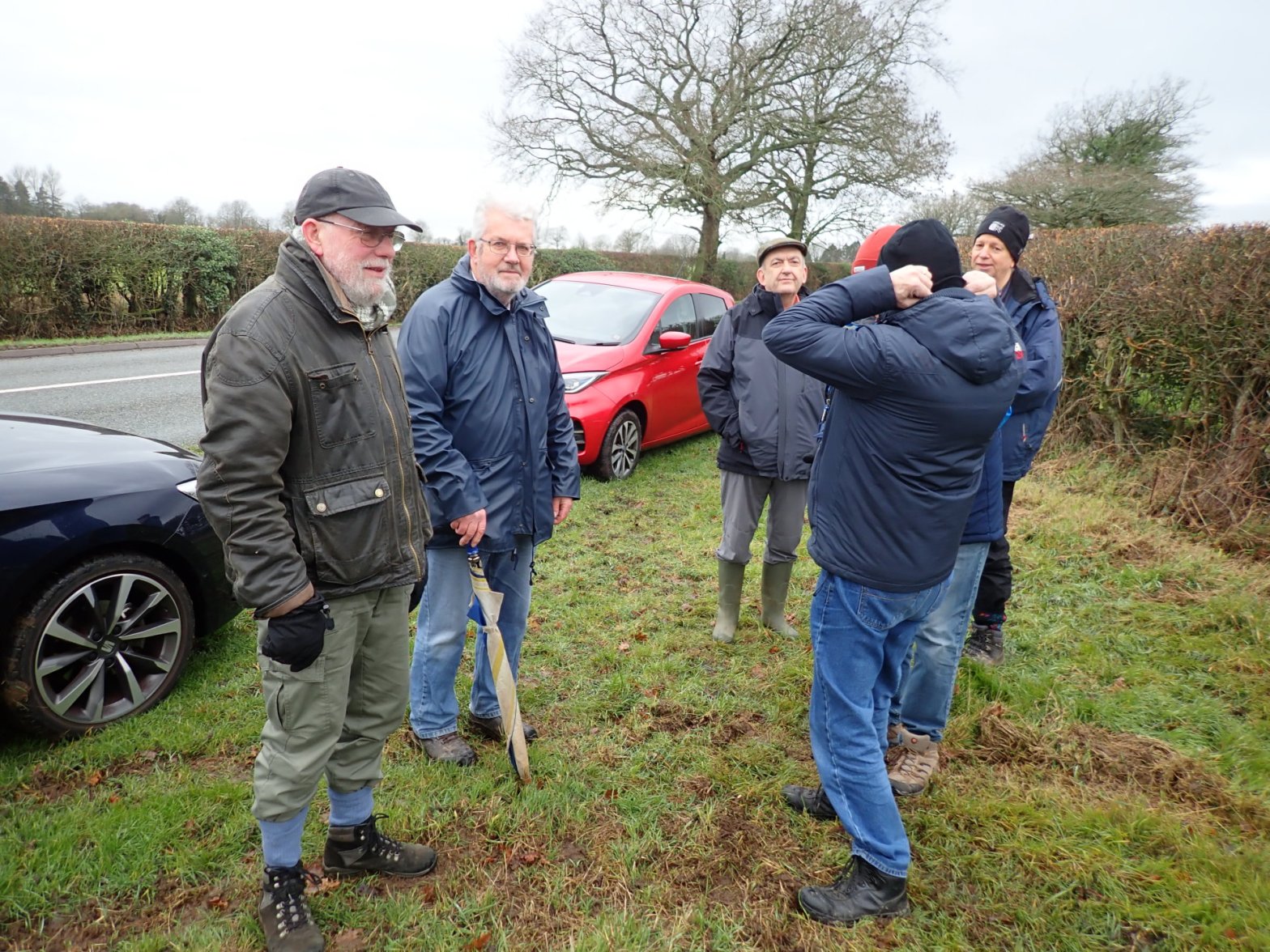
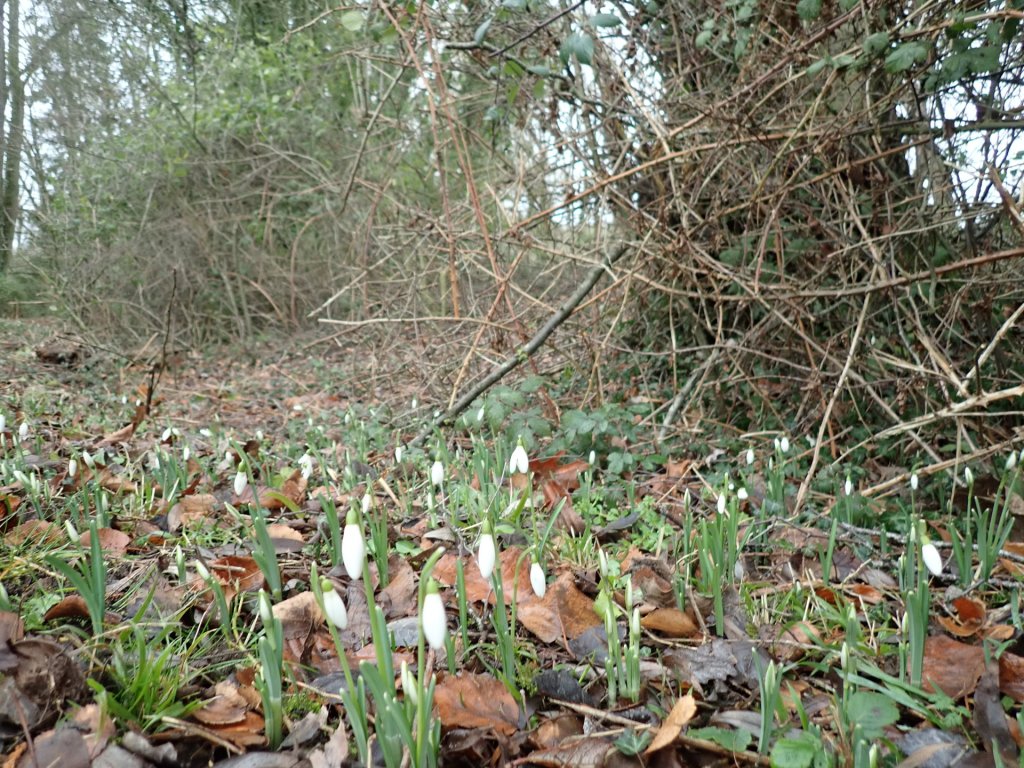
Despite the weather forecast for rain 8 of us gathered to enjoy a walk through the Thwaites Estate. We exchanged “Hello’s” with a few walkers as we progressed. This is a popular walk in the winter; most of the time, you are on the estate roads. These are closed to public traffic. Except for the occasional farm vehicle, they are quiet. As we walked, the first Snowdrops of the year were spotted just beginning to bud.
Not sure how Richard organises the weather, but as we returned to our cars, the first spots of rain fell, and the afternoon’s rain started. This was our cue to retire to The Heathcote for Lunch.
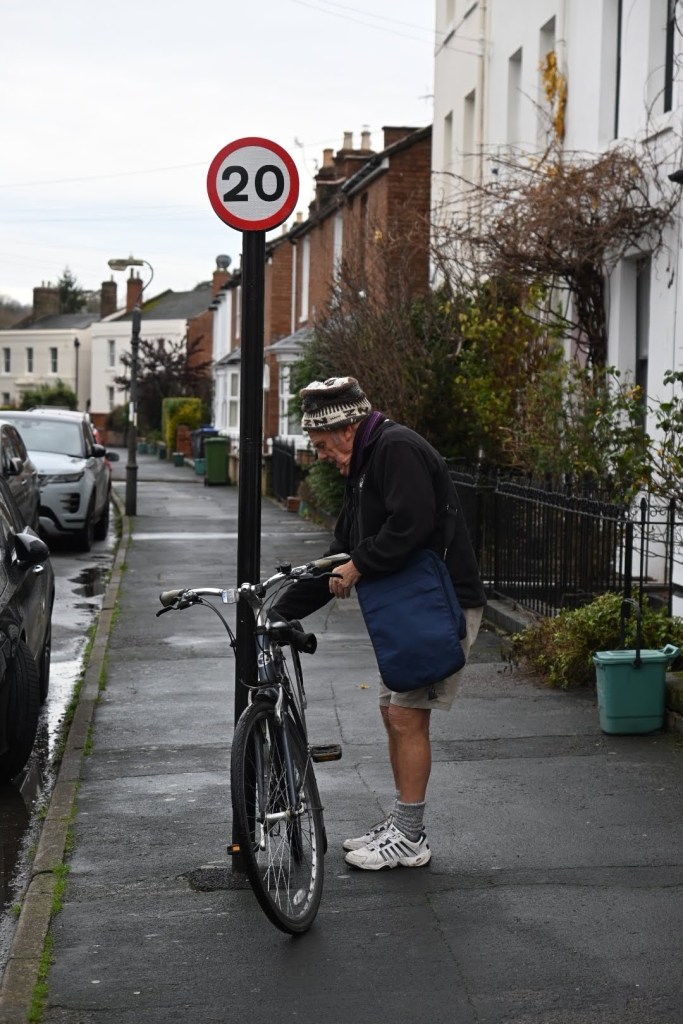
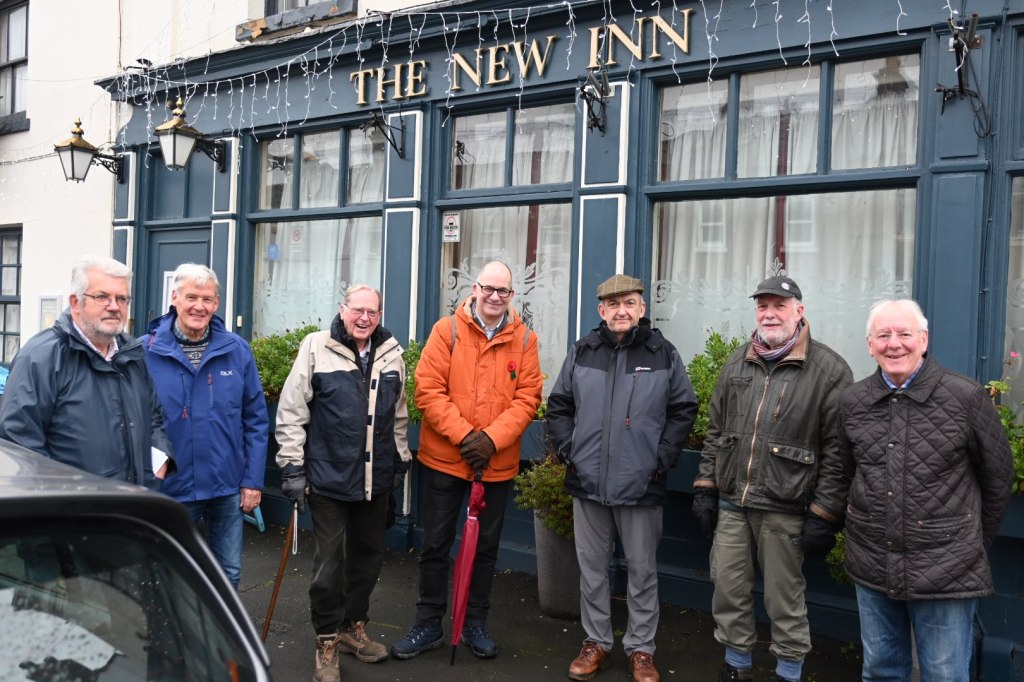
Eleven of us set off (although only 9 finished) for a walk through Leamington. Some of our more energetic members had walked or cycled to the start this time. The overnight rain stopped just in time for us to enjoy a dry walk. We walked through the parks and along the canals, Leamington always has something interesting to see along the way. As we walked along Princess Drive the road was closed as the road had flooded again in the overnight rain. Two tankers were busy pumping away the water, the AA were waiting to recover the car stranded in the flood. After a walk along the wet canal tow path we arrived back at the New Inn (or the not so New Inn, it opened in 1860).
The kitchen does not open Tuesdays but we enjoyed a convivial drink together. Bacon Sandwiches were then provided at Terry’s House for all who wanted them.
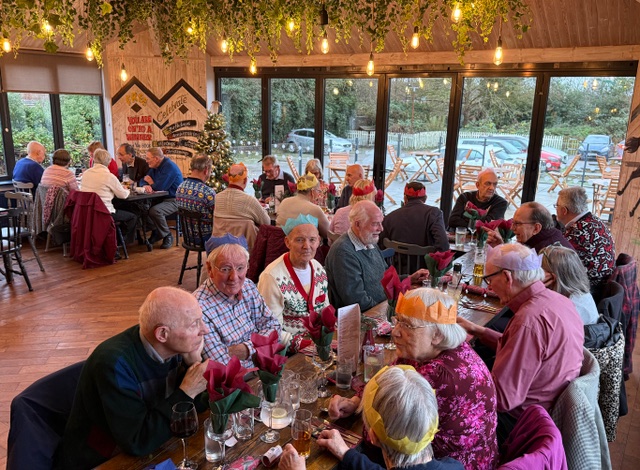
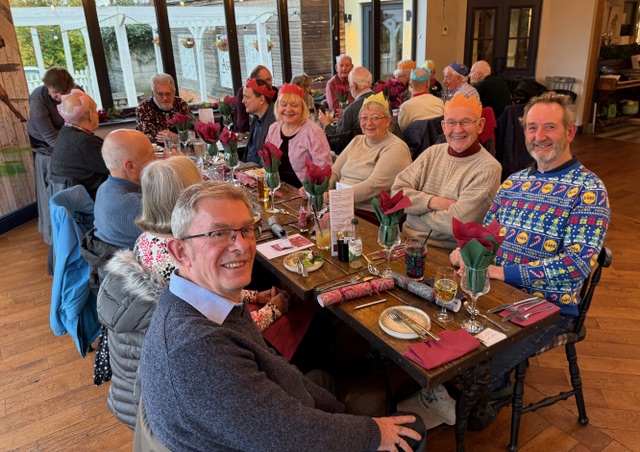
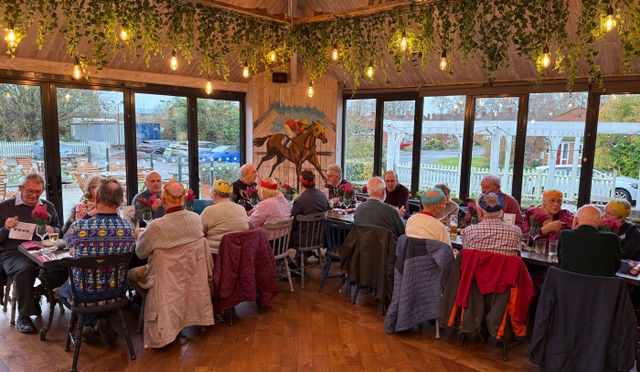
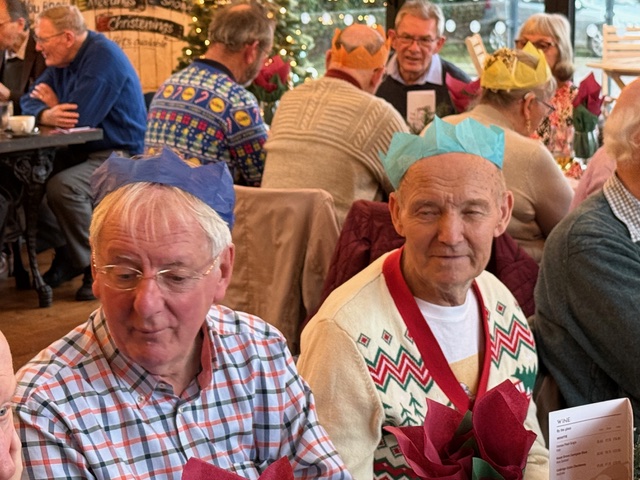
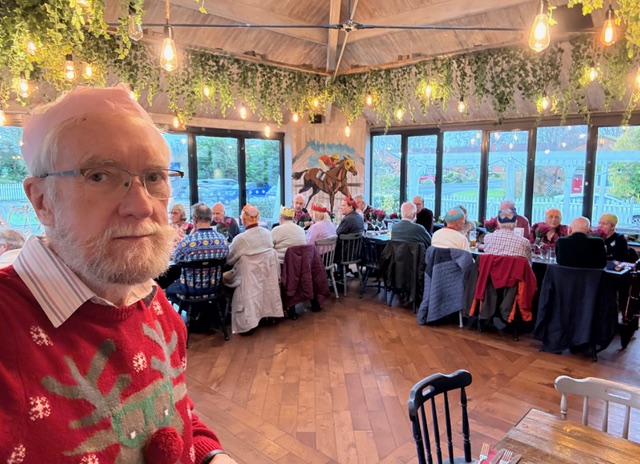
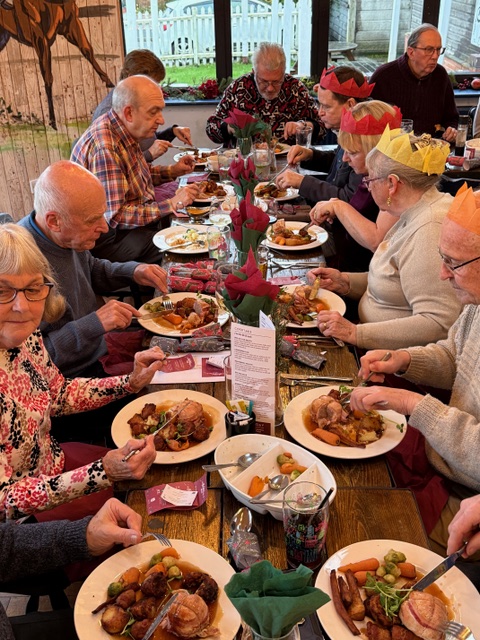
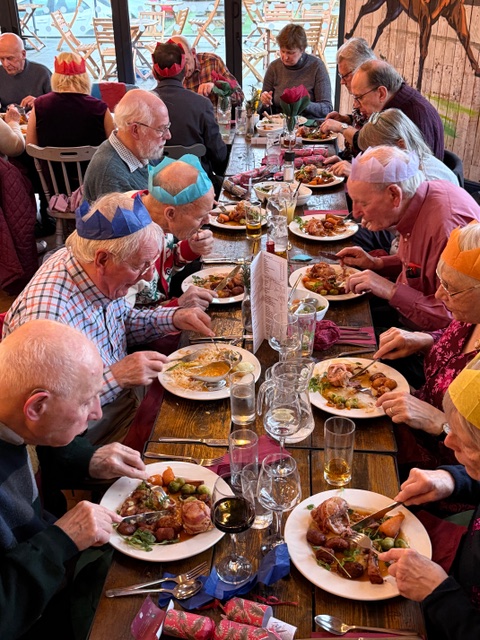
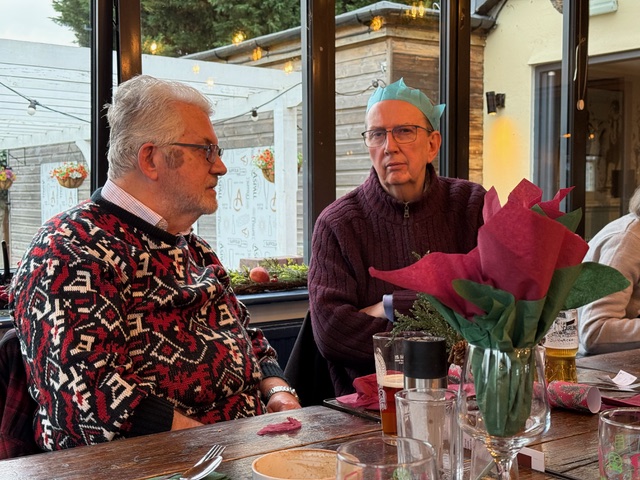
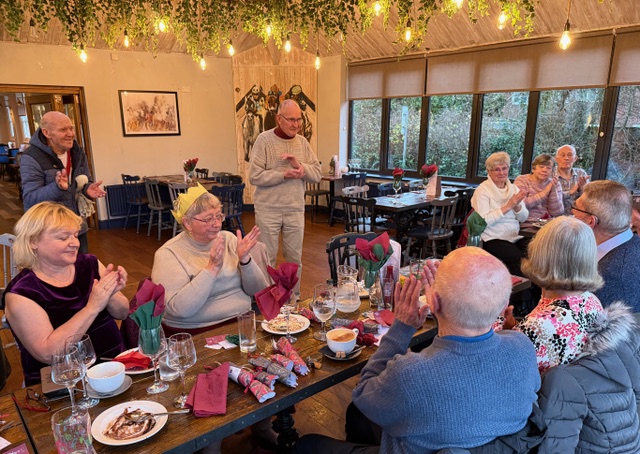
On a wet, dreary December day, some 27 MIRTHers & partners pranced up to The Racehorse in West Warwick to enjoy some Christmas cheer. Yes we had Christmas jumpers – but most were on the straight (but not so narrow …).
The Festive Fayre was much looked forward to – someone thought there was a jolly nose bag in the offing. But there were a few hurdles to jump over first.
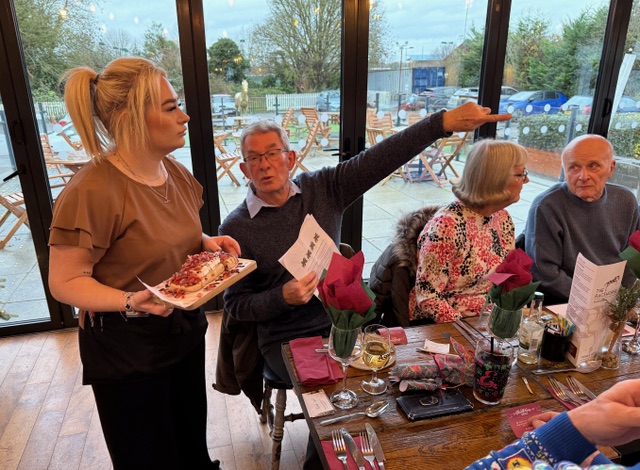
The list of runners and riders was, it seems, incomplete – or at least not clear. But fortunately for us, Mel had been saddled with organising the meal – and what a fine job he did 👏
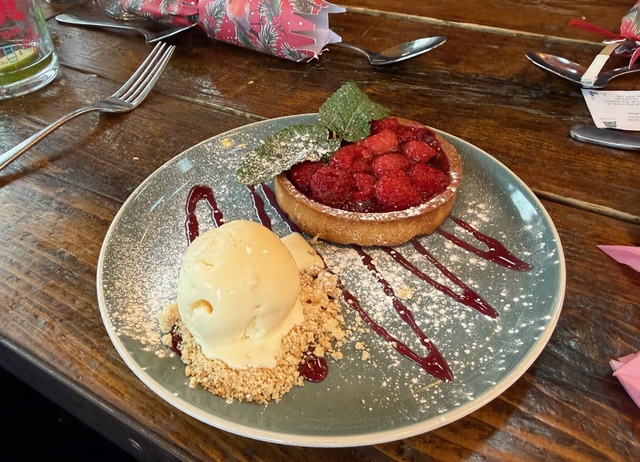
Of course some of us wanted to try different courses. And by general acclaim there were a number of worthy winners in the MIRTH stakes.
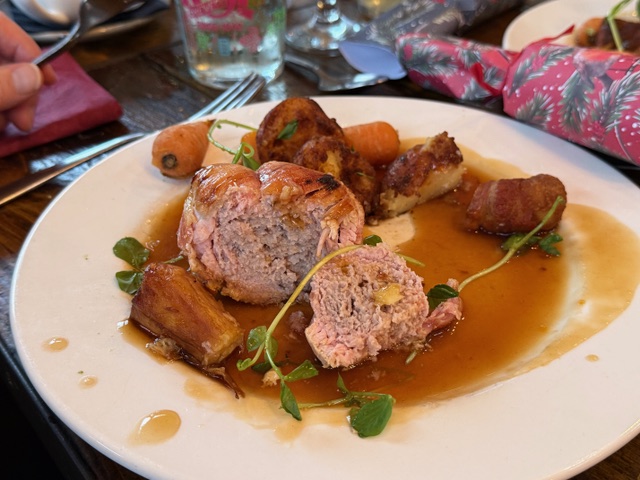
Pigs in blankets were greatly appreciated. And of course turkey was on the menu. A number of us left well stuffed (probably because the turkey was wrapped around a generous portion of the stuff).
Conversations flowed. Stories were told. Worlds put right. Memories evoked …
The bar & kitchen staff were very amenable and helpful. The Racehorse did us proud. Overall a fitting testament to another great year of MIRTH.
Richard led us in extending our warm thanks to Mel – and to all the committee members who have done so much for us in 2025 and given us such a great programme of activities. May God bless you all richly as we approach this wonderful time of Christmas and are reminded of the peace and love that Jesus brings into our world 🙌.
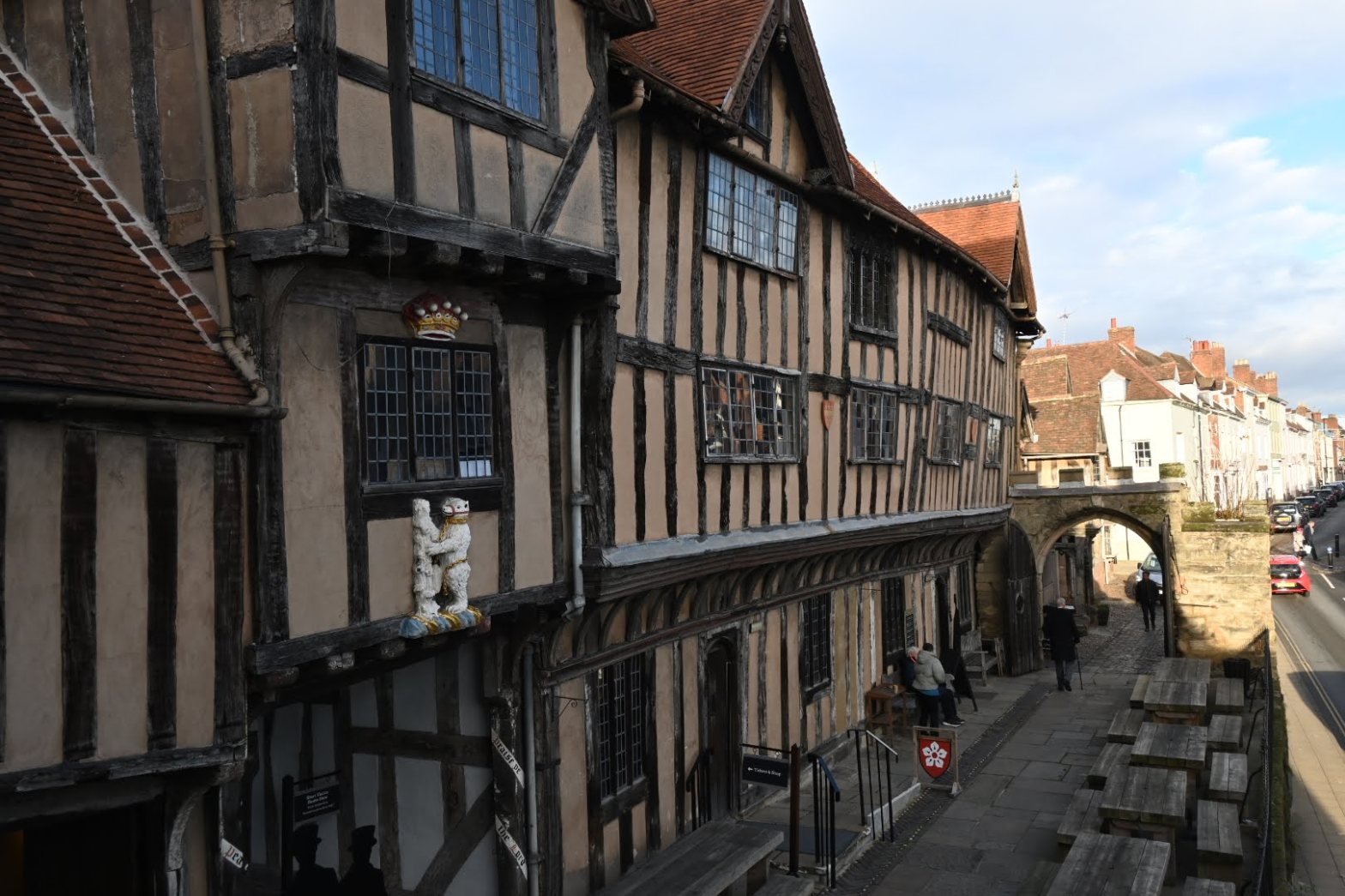
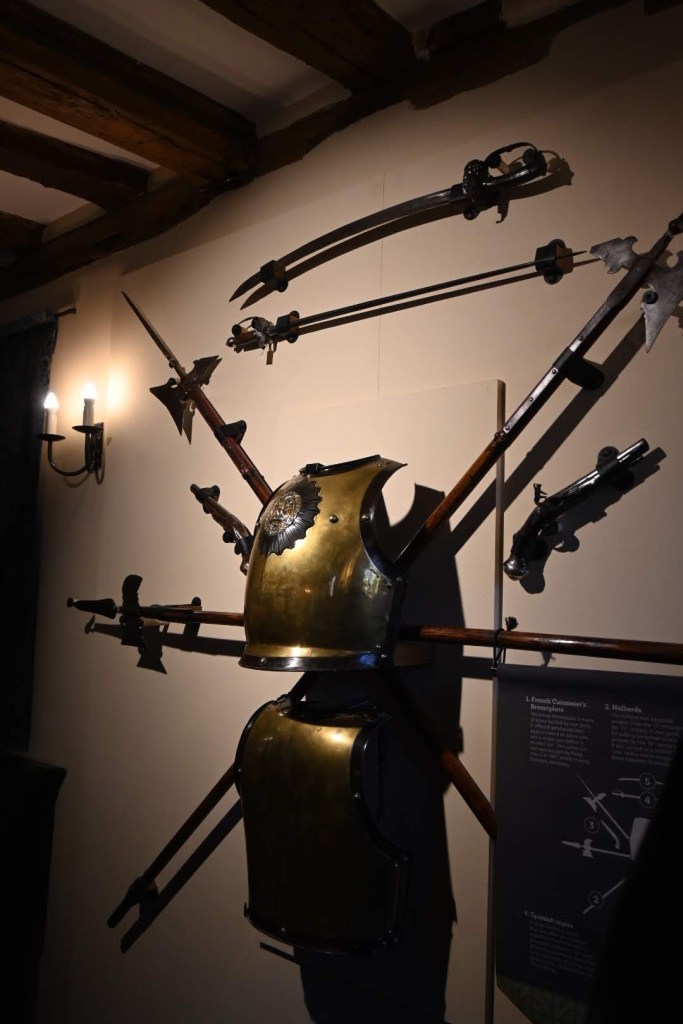
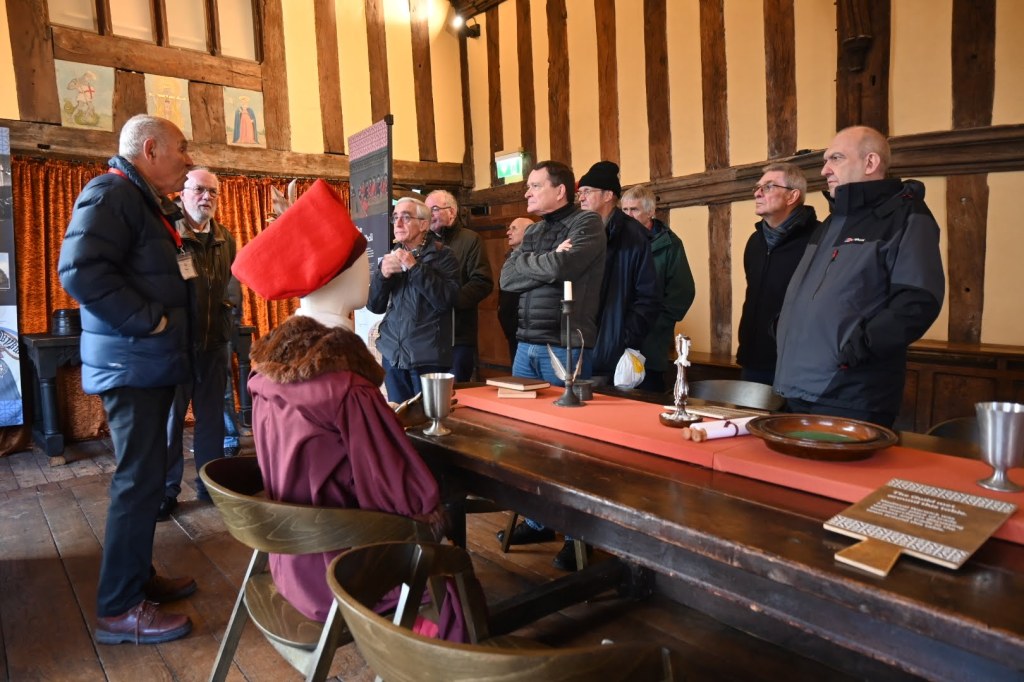
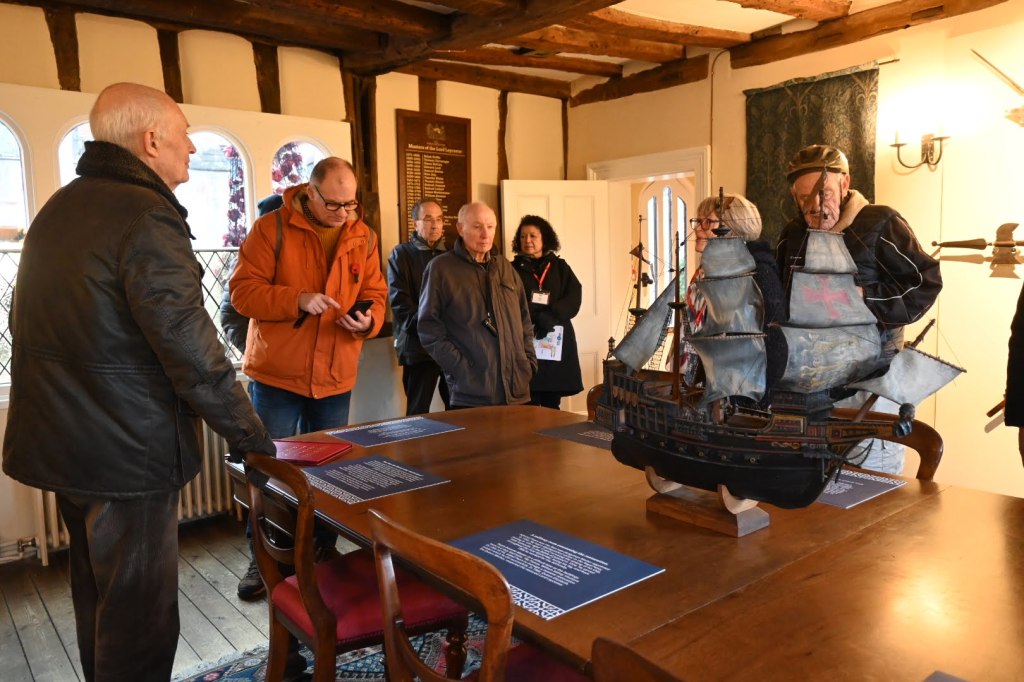
The Lord Leycester Hospital is hard to miss as you drive through Warwick. 20 MIRTHers paid a visit this November. The Lord Leycester Hospital was founded in 1571, although the buildings are older. They are some of the most important medieval buildings in the country. The buildings have recently been restored.
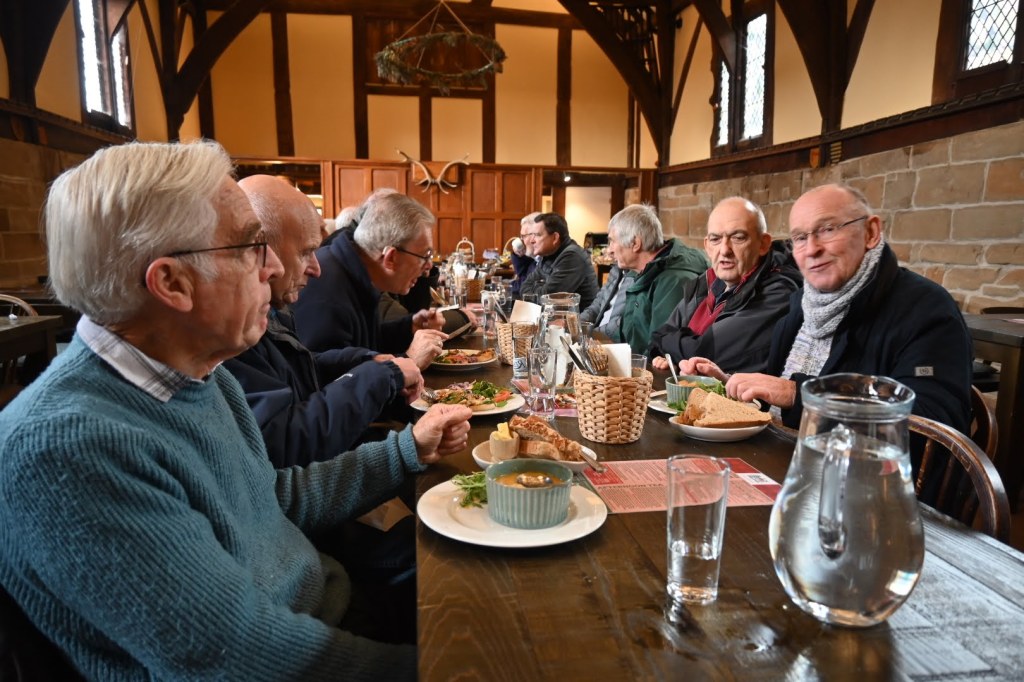
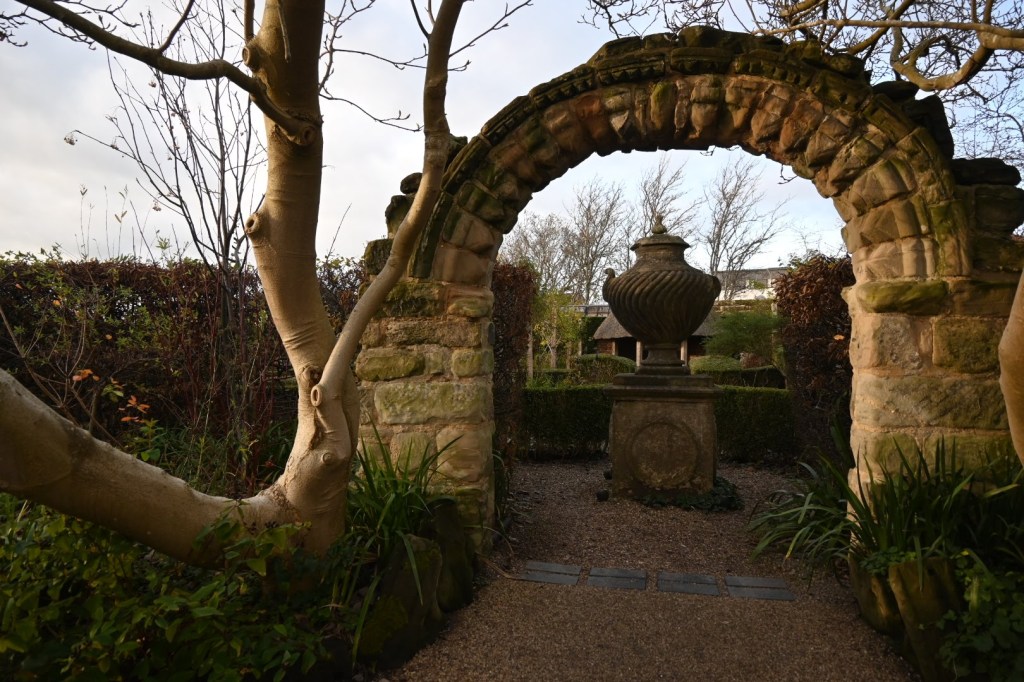
After enjoying lunch in the Great Hall (once host to King James 1 for a three-day banquet) we were taken on a guided tour around the buildings and gardens to learn about the history of the buildings. The building remains a home to the brothers who reside there, just as it was in 1571. The brothers are all retired service personnel; today, they are both male and female residents.
There were many things pointed out on our tour. My favourite curiosity was in the kitchen. On the wall was an inkwell and a quill. The cook used this to keep records using a pen and ink. It was locked to prevent the ink from being stolen. Ink was expensive in those days, much like printer ink today, one of our members observed.
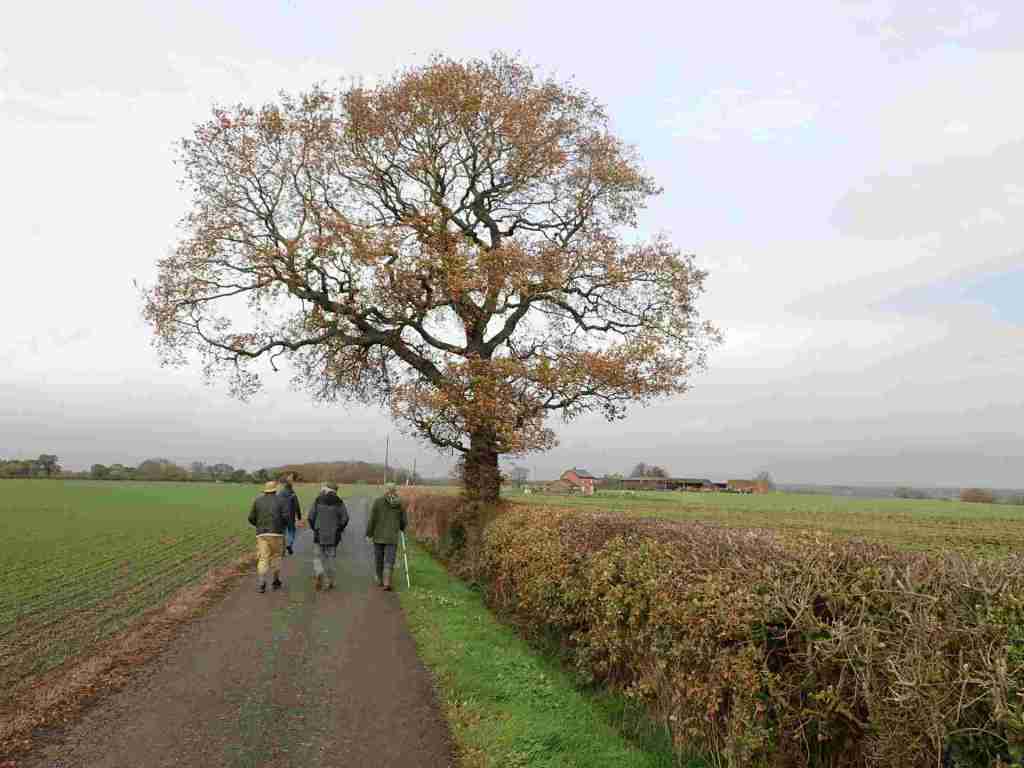
On a damp November morning, we walked along the lanes around Church Lawford. The rain held off, and it was good to see the winter barley sprouting. The lanes around this area are quiet and only 3 or 4 cars passed us.
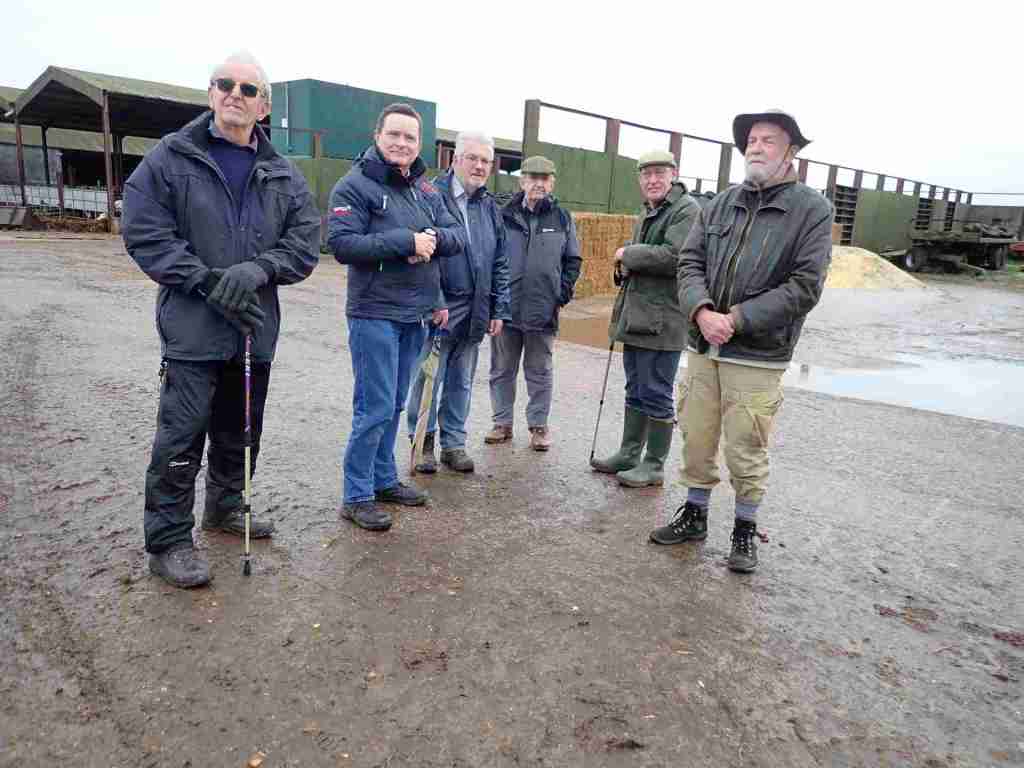
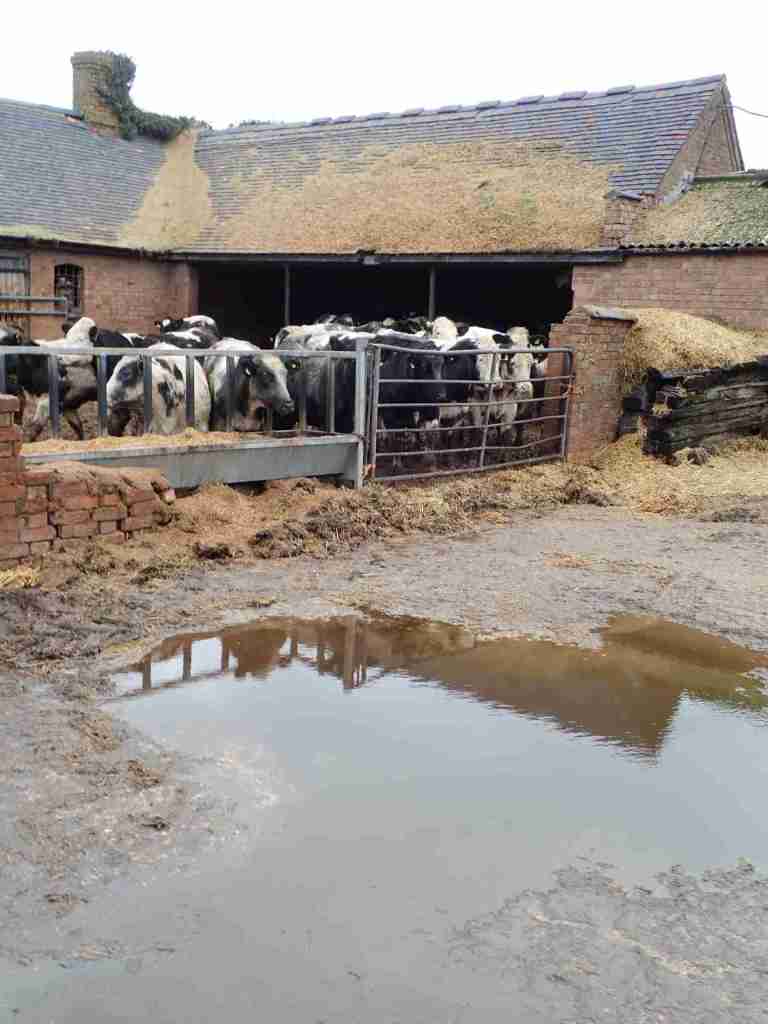
It was the 11th of November so at the eleventh hour, we paused our walk in a muddy farmyard for a few minutes of silence to remember the fallen in the wars. The setting seemed somehow appropriate with the damp and the mud. We reflected on the farm workers and farm horses that would have left a farm such as this to fight in the 1914 to 1919 war.
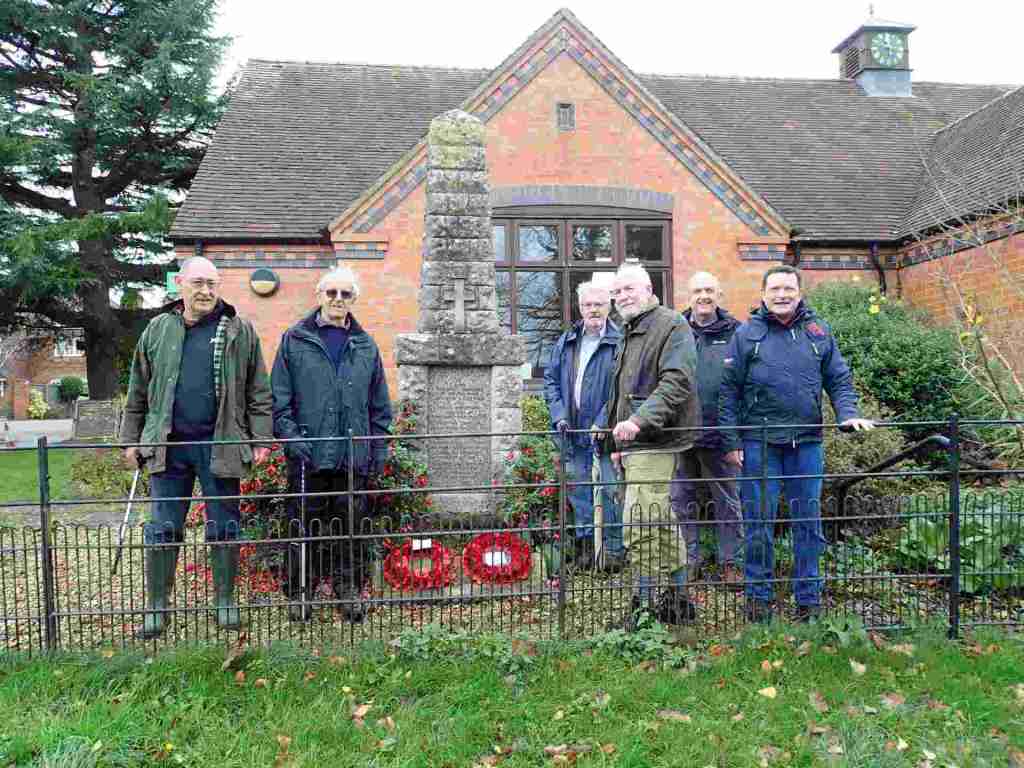
We continued our walk, crossing back across the Coventry to London railway just as a train sped under, shaking the bridge. When we returned to Church Lawford, we paused to take a look at the war memorial. From this small village, eight men are listed as dying in the First World War and one in the Second World War.
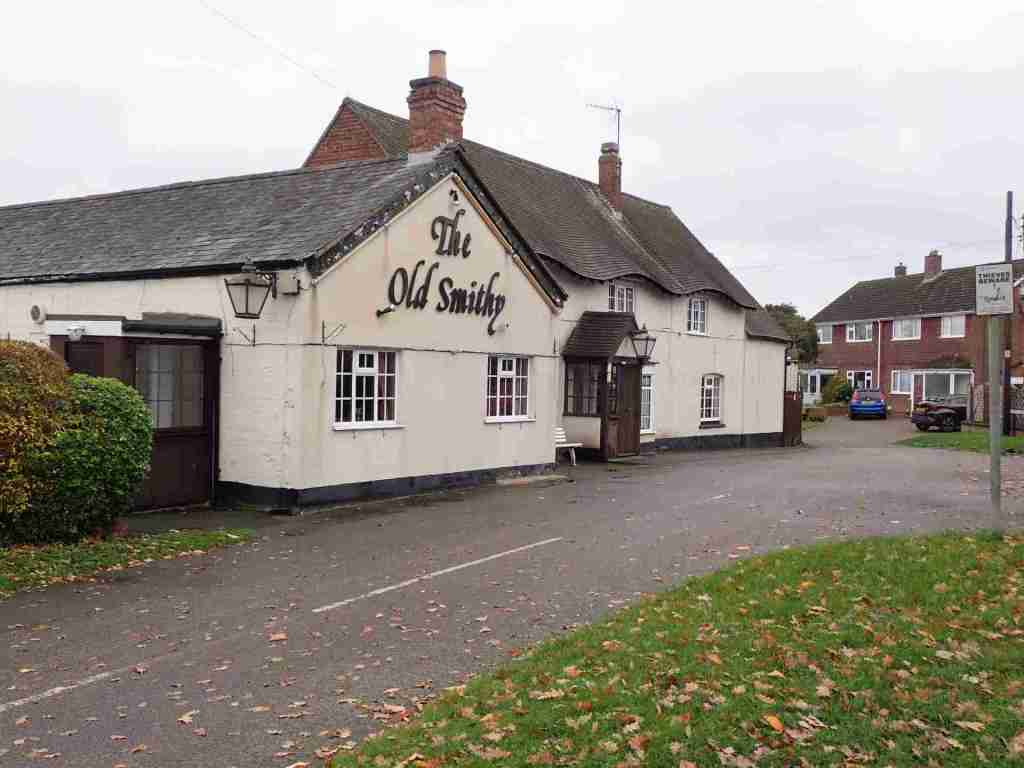
After a time of reflection, we visited the Old Smithy for lunch. Our old favourite, the Moby Dick appeared on 2 dinner plates on this occasion.
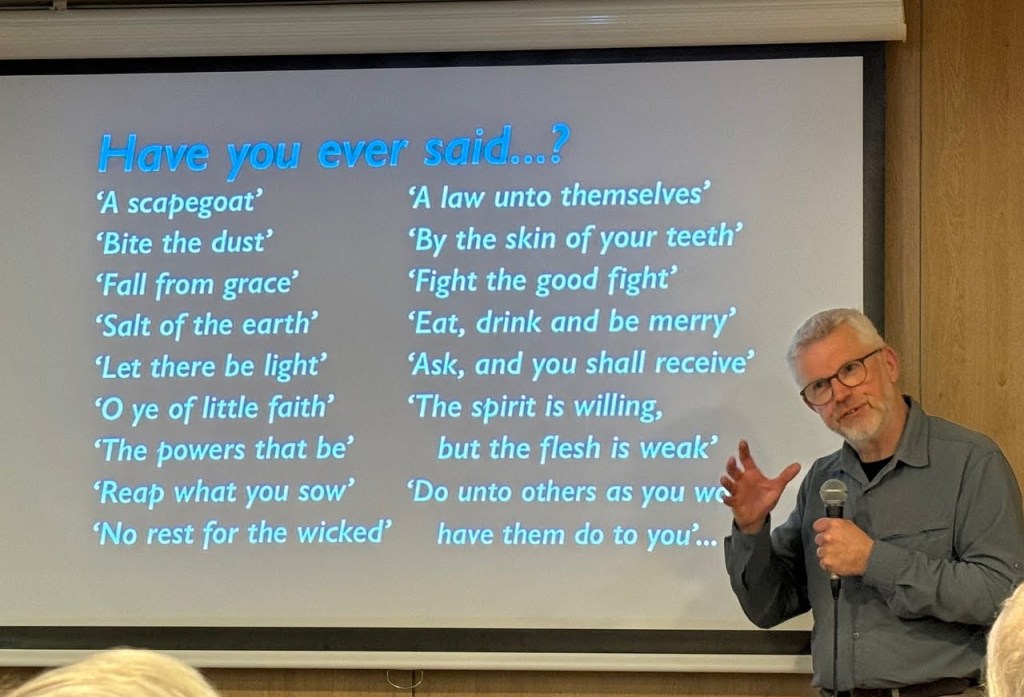
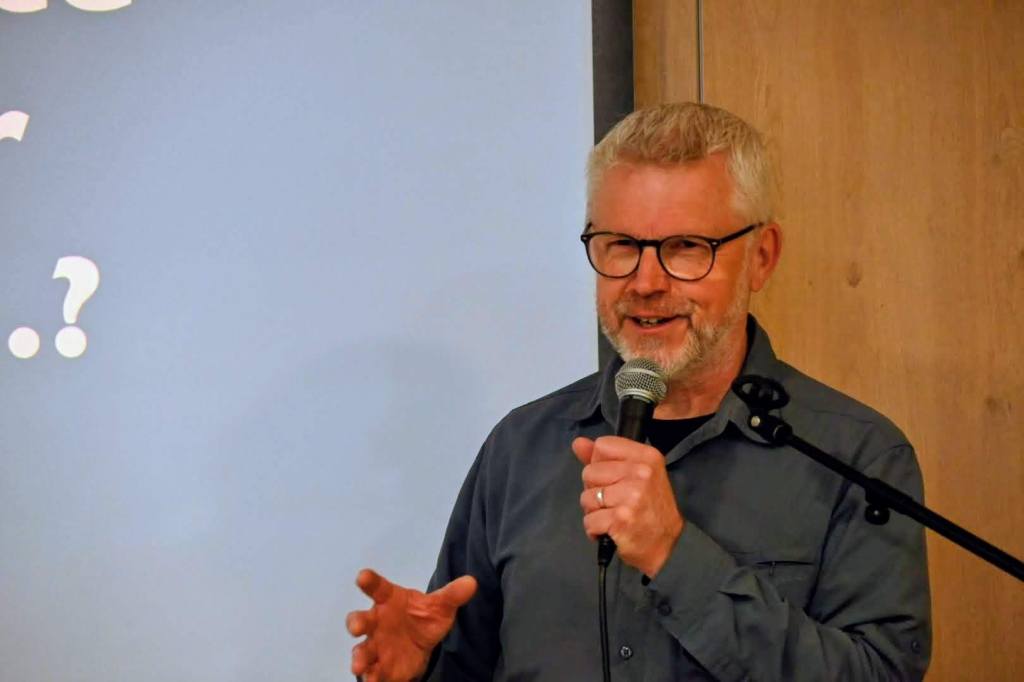
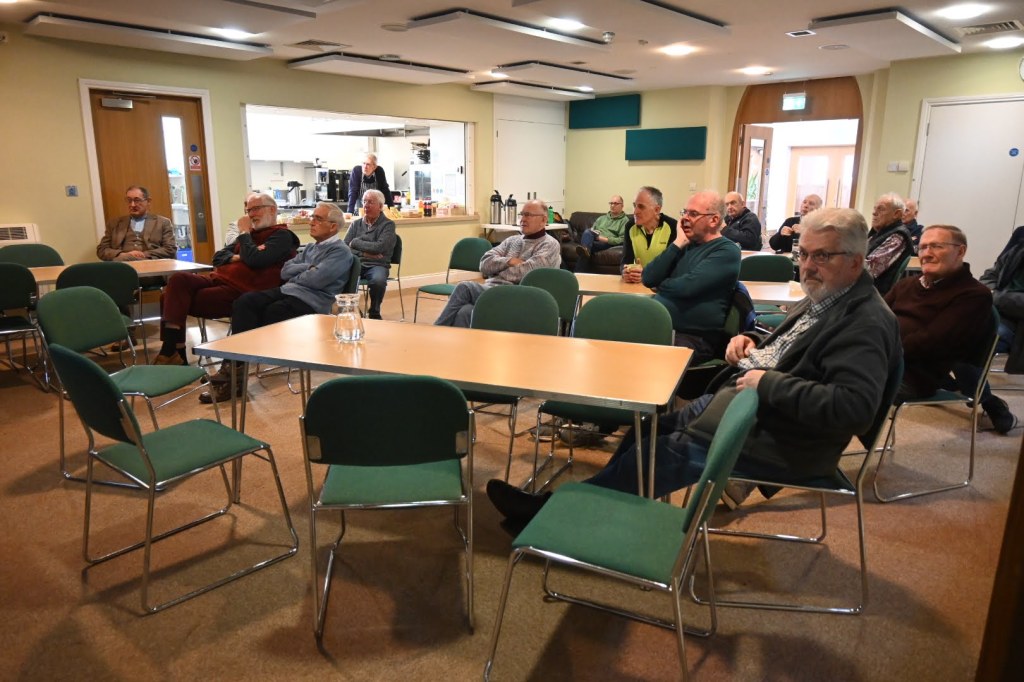
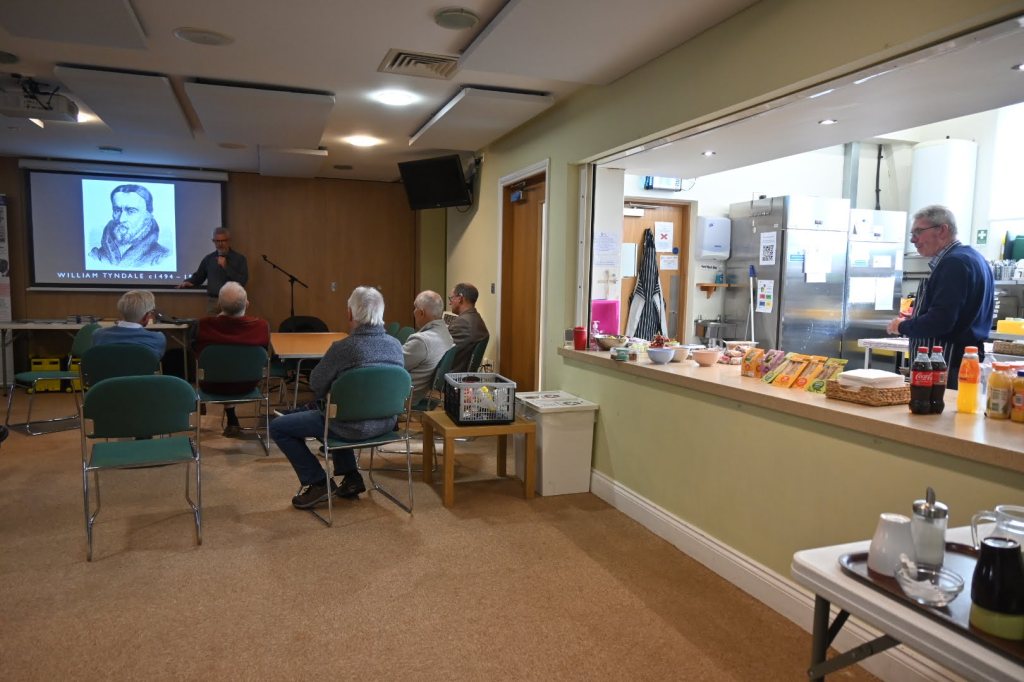
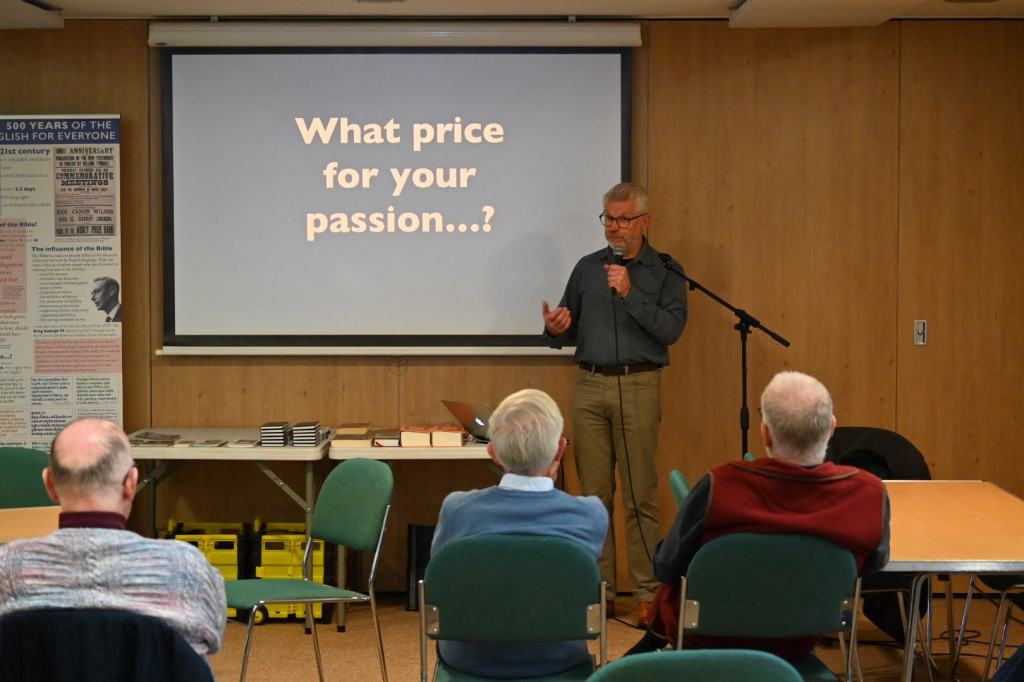
“What price for your passion” was the title of the talk given by Paul Linnell, who had travelled from Leicester for the MIRTH Main Event presentation on Tuesday October 21st.
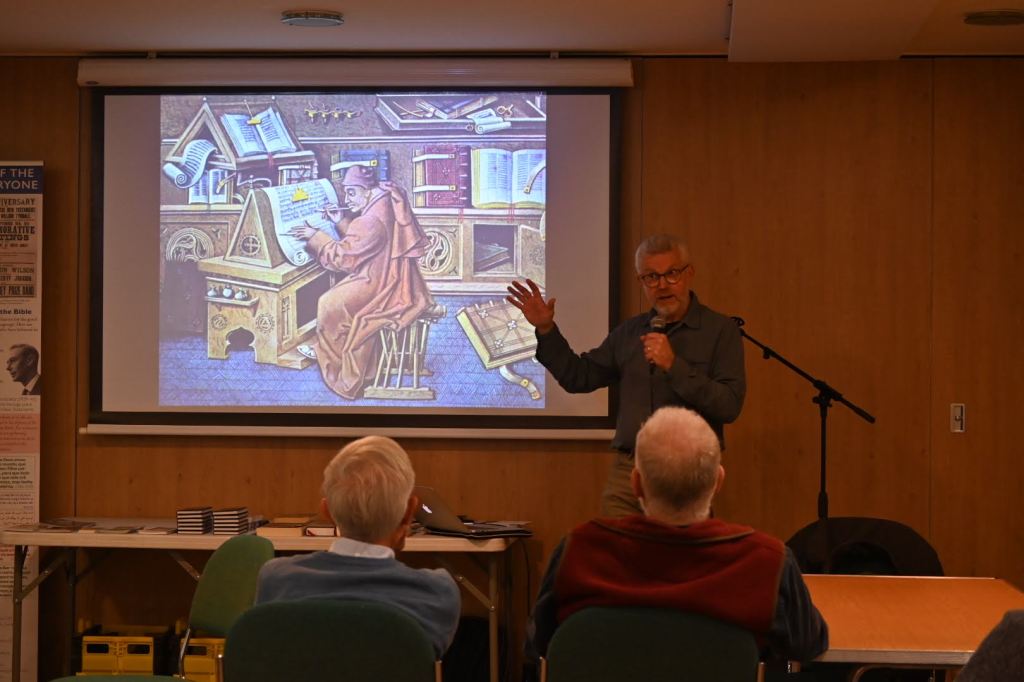
The talk coincided with the 500th anniversary of the bible being translated into the English language. Paul told us that the early 16th century was a dangerous time for those who wanted to quote passages of the bible in English. The prevailing languages at the time were Latin and French, with English very much thought of as the language of the common man! The church had a great deal of power and influence in these times and it was difficult to go against Catholic theology. At the time, England was the only country in Europe that didn’t have the bible printed in its native language.
Change was coming, however. The natural order was being challenged. People such as Martin Luther and John Calvin were presenting their own ideas and commentaries.
Into all this came an Englishman, William Tyndale, who had a talent for languages and studied at both Oxford and Cambridge. We were told of Tyndale’s passion for communicating the true meaning of the word of God and going up against the Latin translation of the bible.
Tyndale dedicated his life to his work and paid the ultimate price. He was burnt at the stake as a heretic. His work was not in vain though. He had done enough to get much of the Old & New Testament into print and copies reached the monarch, Henry Vlll.
This was enough for the king to go against the Catholic Church and form what we now know as the Church of England. The king ordered that a bible in English be placed in every church, known as ‘The Great Bible’.
A final thought? Tyndale’s passion can be summed up in the New Testament bible verse John 3:16 – ‘ For God so loved the world that he gave his only begotten Son, that whoever believes in Him should not perish but have everlasting life’.