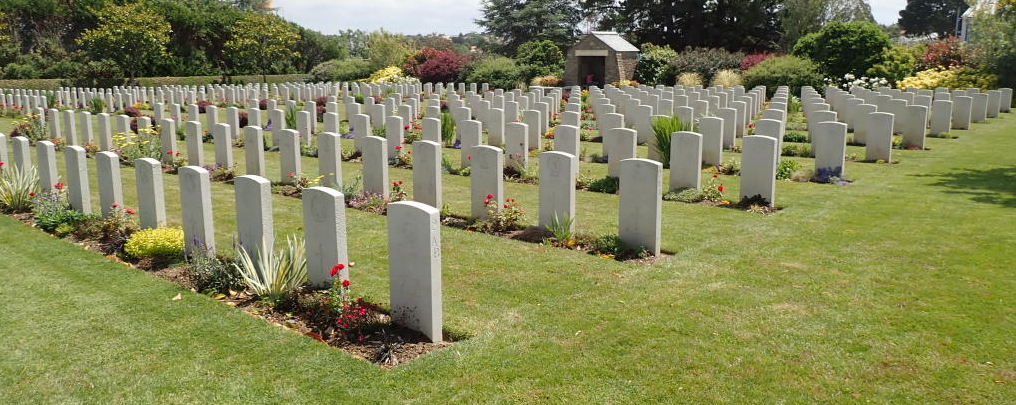
Commonwealth War Graves

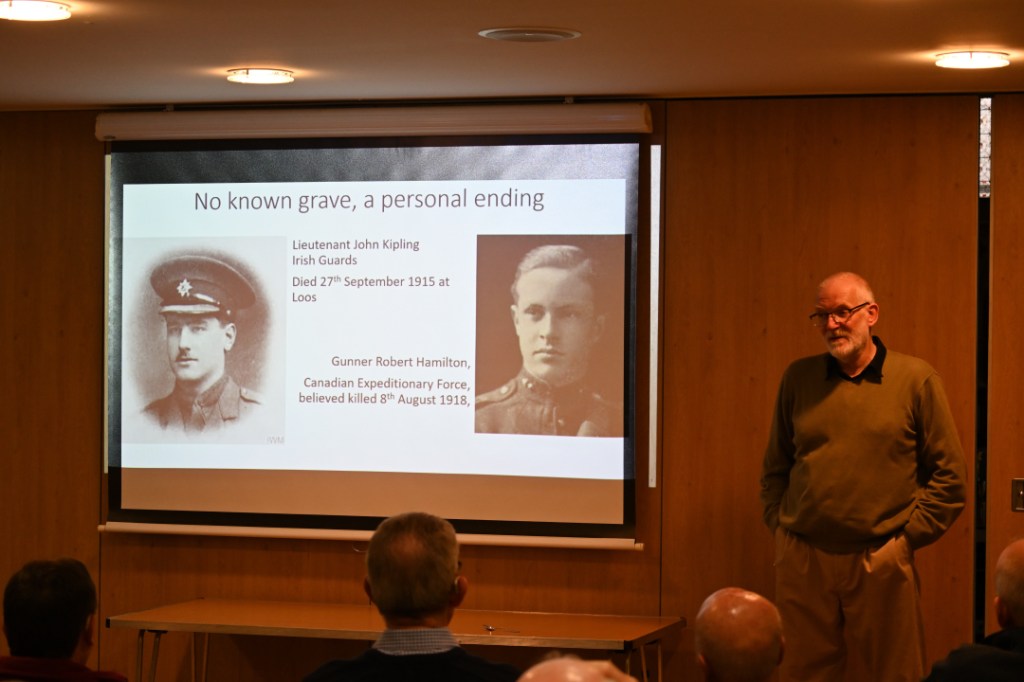
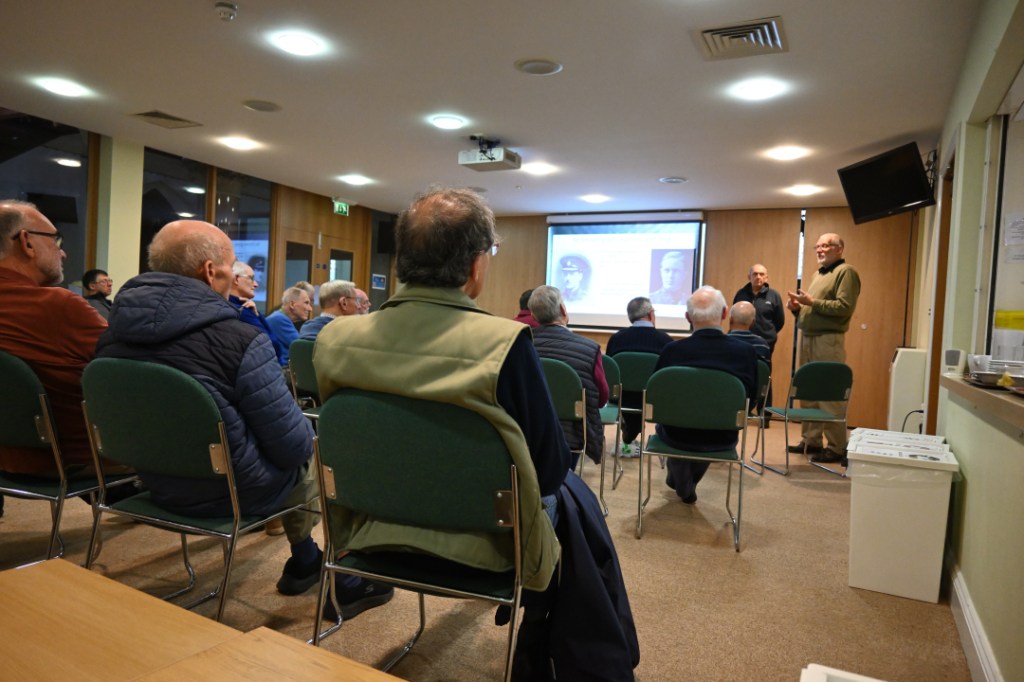
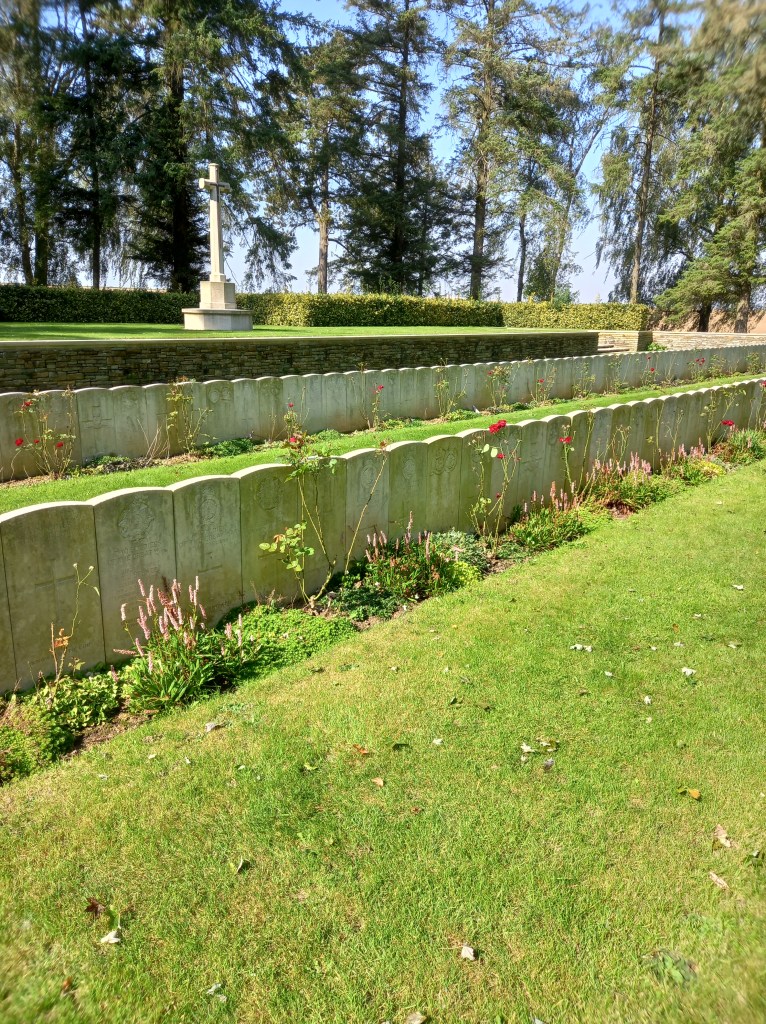
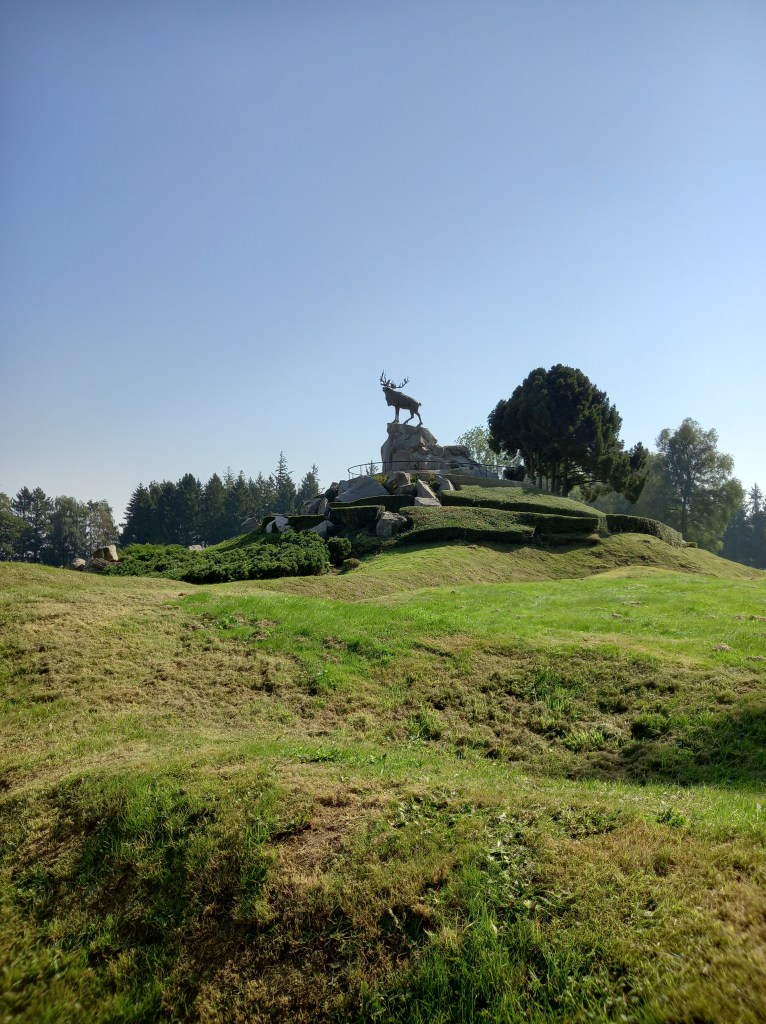
This month after our lunch and an opportunity to catch-up with each other we had a fascinating talk by David Harkness. He talked to us about the history of the Commonwealth War Graves Commission. The organisation was established in 1917 to ensure servicemen who died in the great war (first world war) were buried and remembered. The organisation now looks after graves at over 23,000 locations around the globe.

In addition to the well known sites the CWGC looks after sites both at home, in Europe and around the world as far afield as Australia. Servicemen were buried close to where they had fallen and all treated equally, a Brigadier might be found buried next to a Private with a identical headstone. Rank made no difference in death. You can also find CWGC graves in English churchyards around the country. Bodies were not repatriated but if a serviceman had returned back home injured but died shortly after as a result of his injuries they were given the honour of a military funeral and the CWGC looks after these graves today.

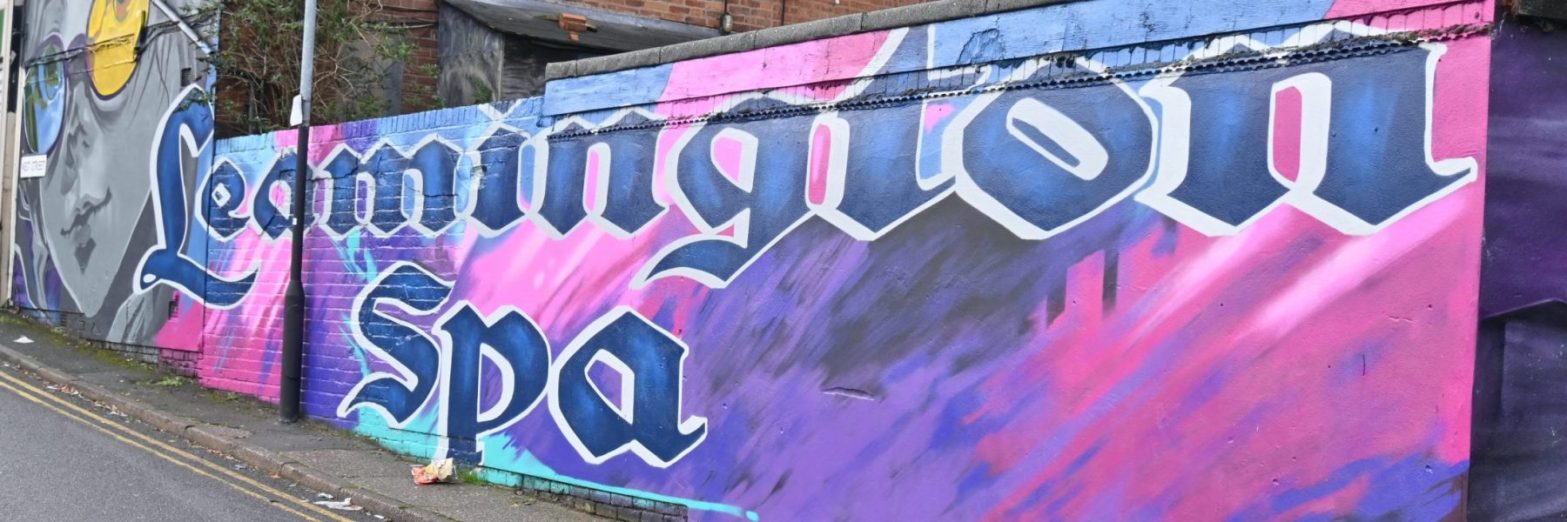
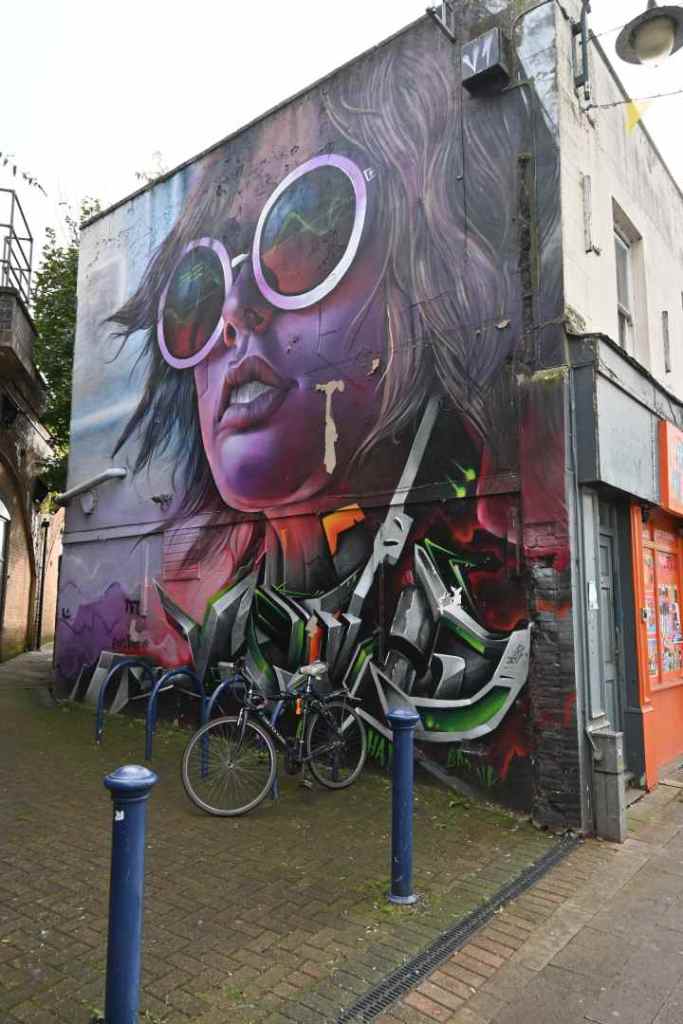
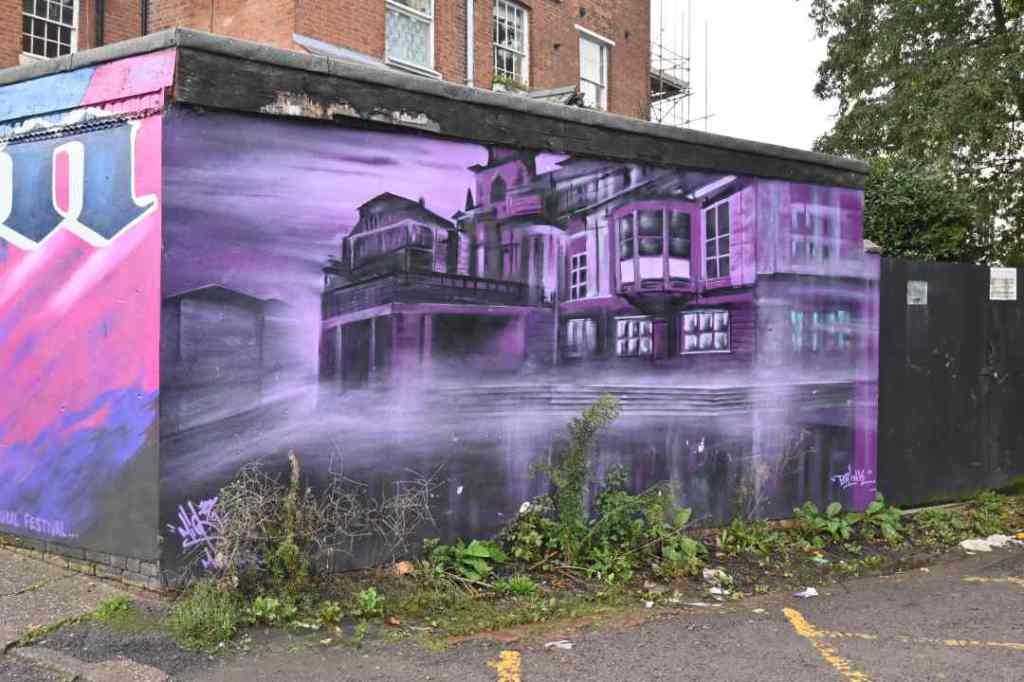
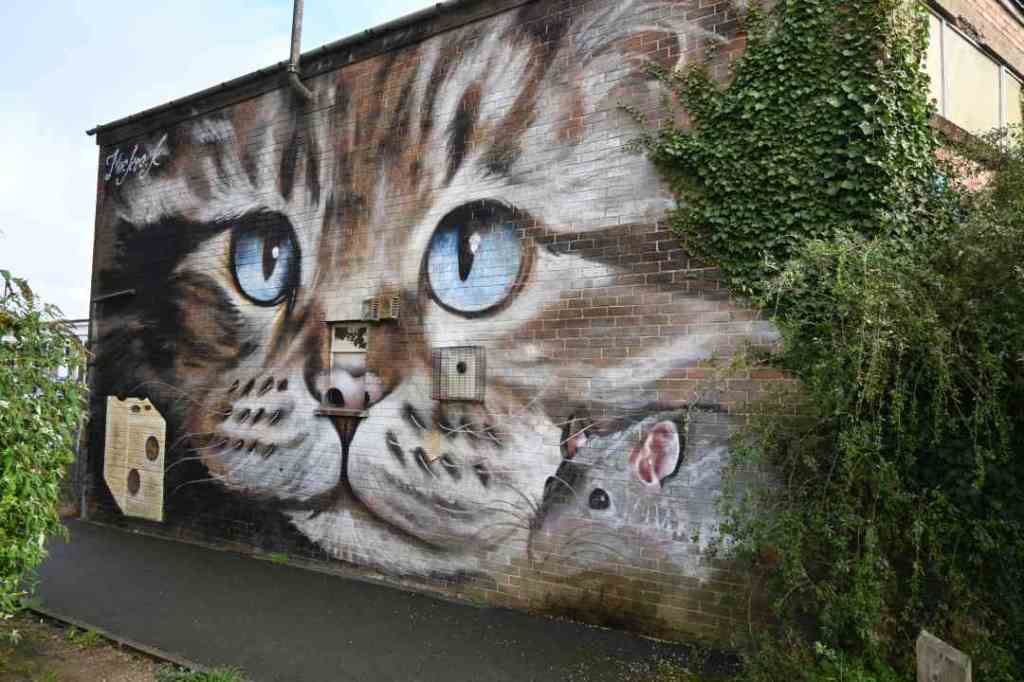
Walking around Leamington’s Street Art

Due to the recent rain this month’s walk was an urban trail. We were blessed with a dry morning for our walk. (The afternoon was rainy again and some of us got a little wet walking back to our cars after lunch.)

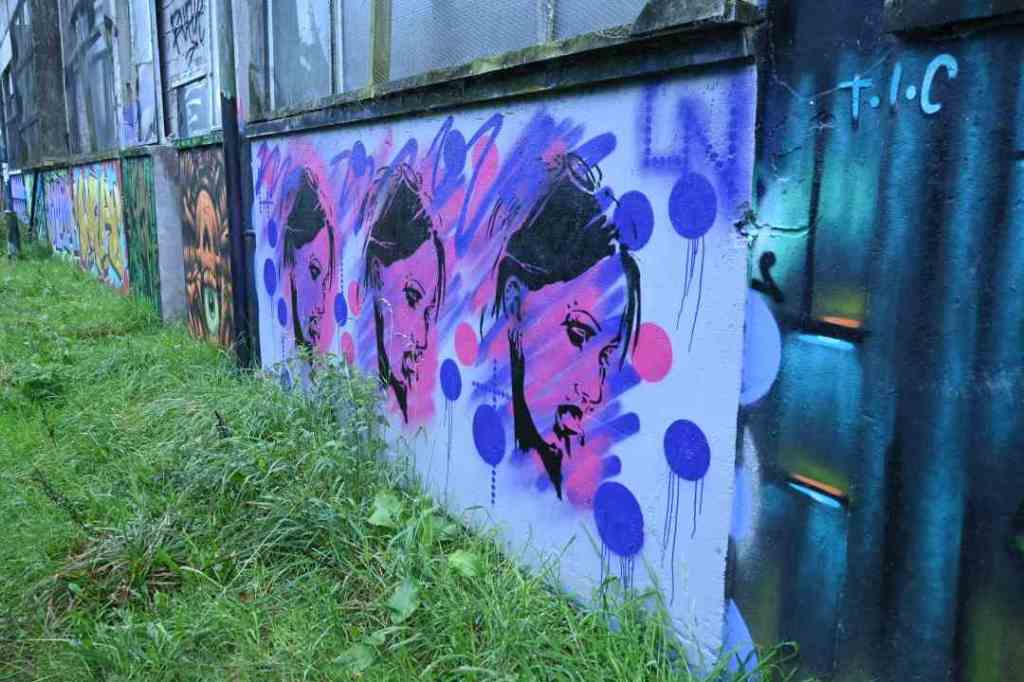
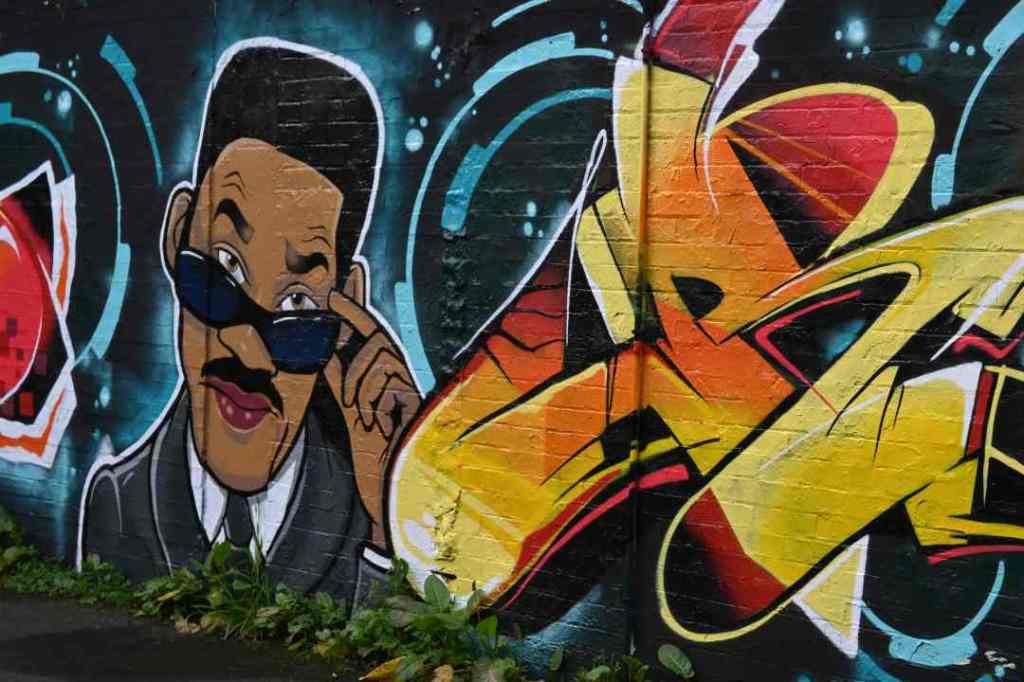
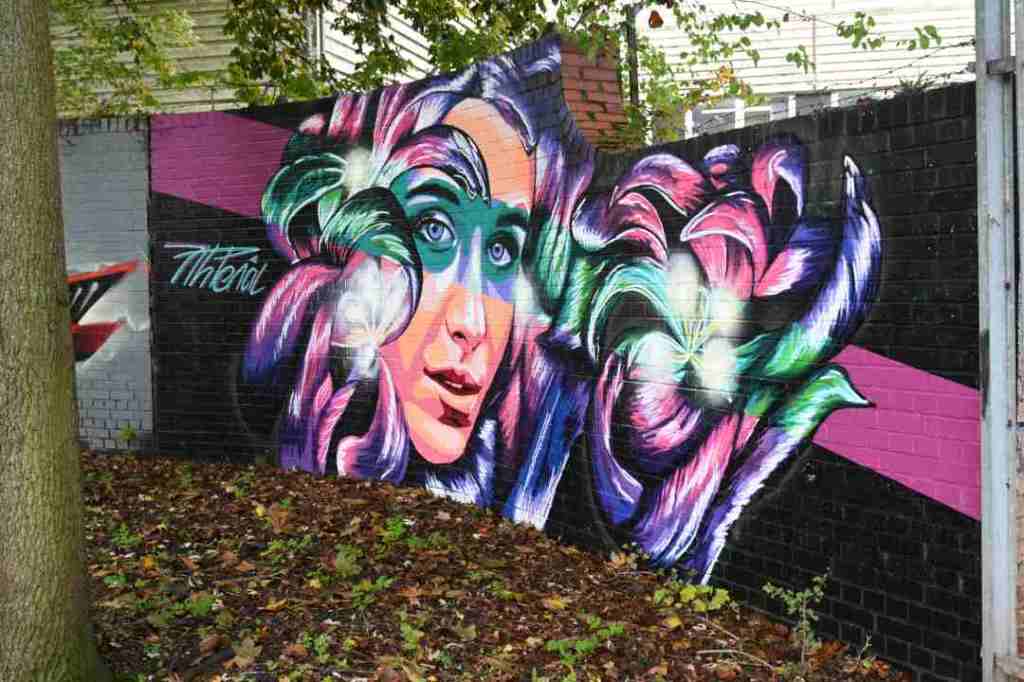
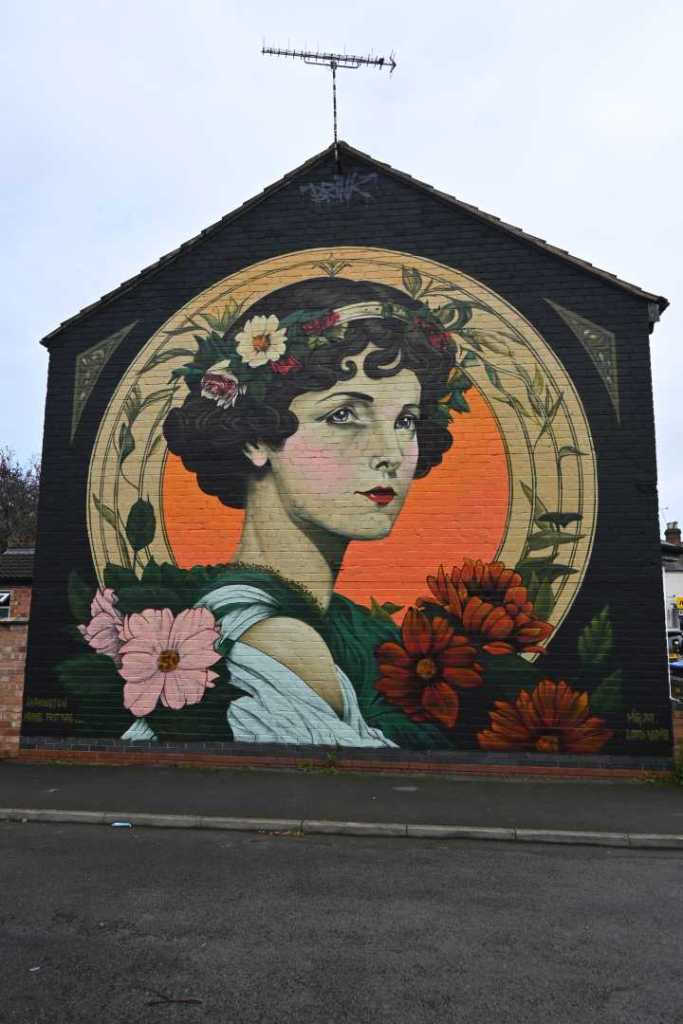
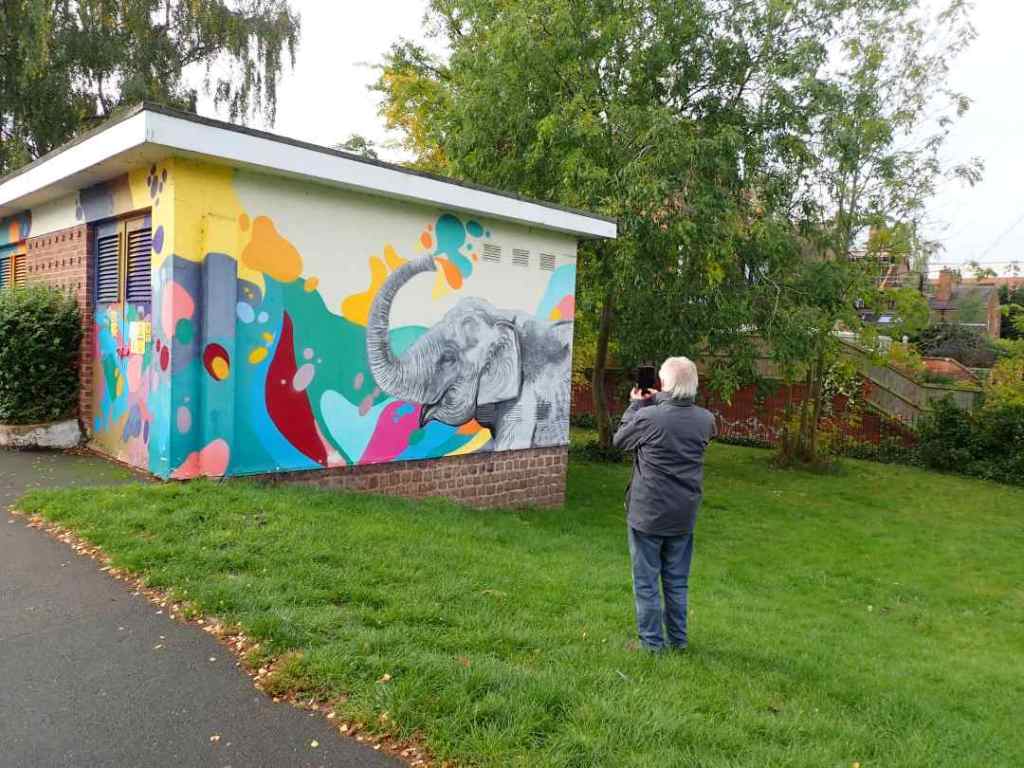
The walk was devised to take us on a tour of Leamington’s vibrant street art scene. As you can see in the photos, the colours are vibrant and bright even on a dull day.
Being a group of Mirth men it is all too easy to get distracted along the way. In Jephson Gardens a large delivery of topsoil had just arrived, this needed investigation. (Apparently from Bristol, the flower beds  need topping up every 3 to 4 years.) We then carried on to explore the street art starting with the elephants near the bridge. 

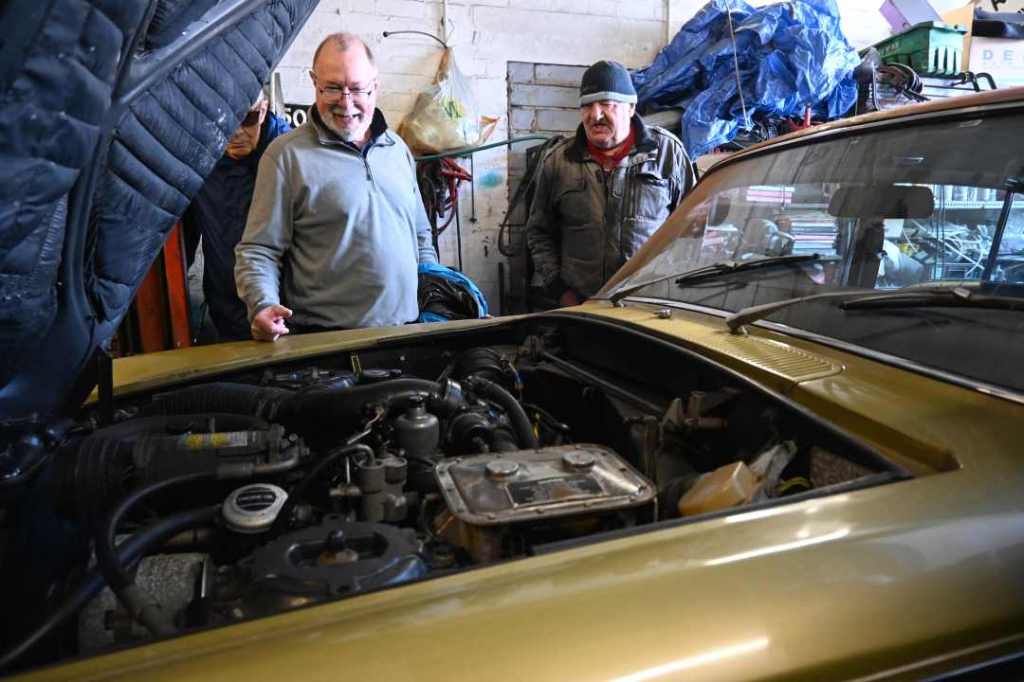
As we walked around the Althorpe Street industrial estate we were intrigued by 44 year old Rolls Royce Silver Shadow being restored in one of the small garage units. We were provided with an impromptu tour of the car.

We continued our walk around the south of Leamington passing one of the largest works on a gable end of a house in Shrubland Street.

We found our way to the Old Library for lunch.

Who thought Dustcarts could be so interesting

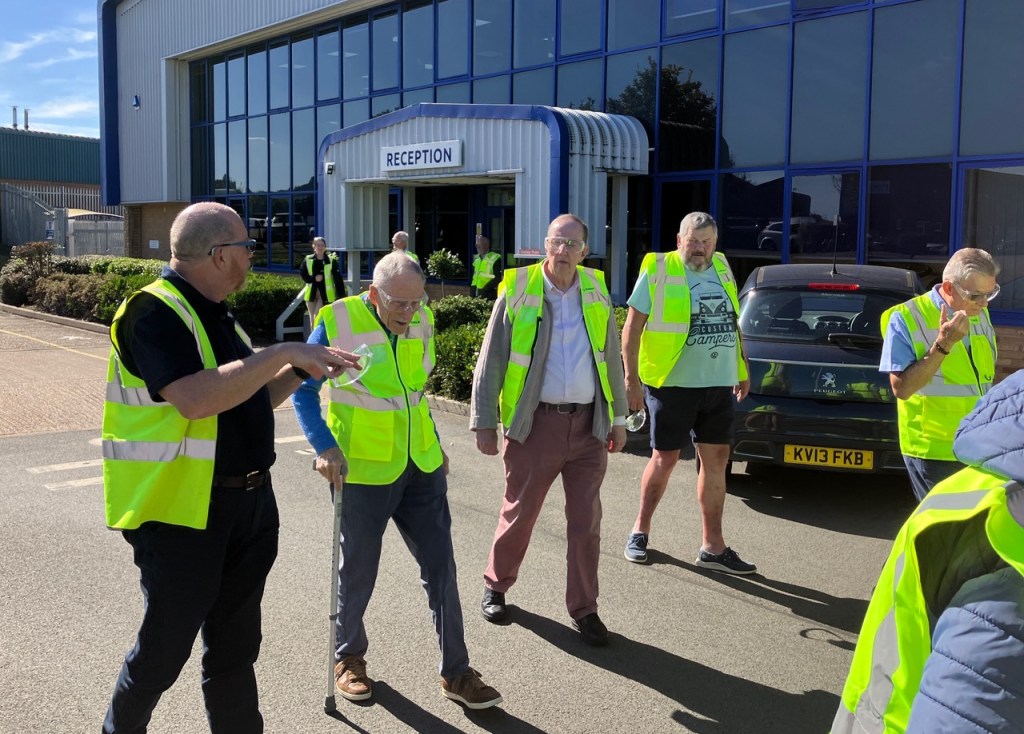
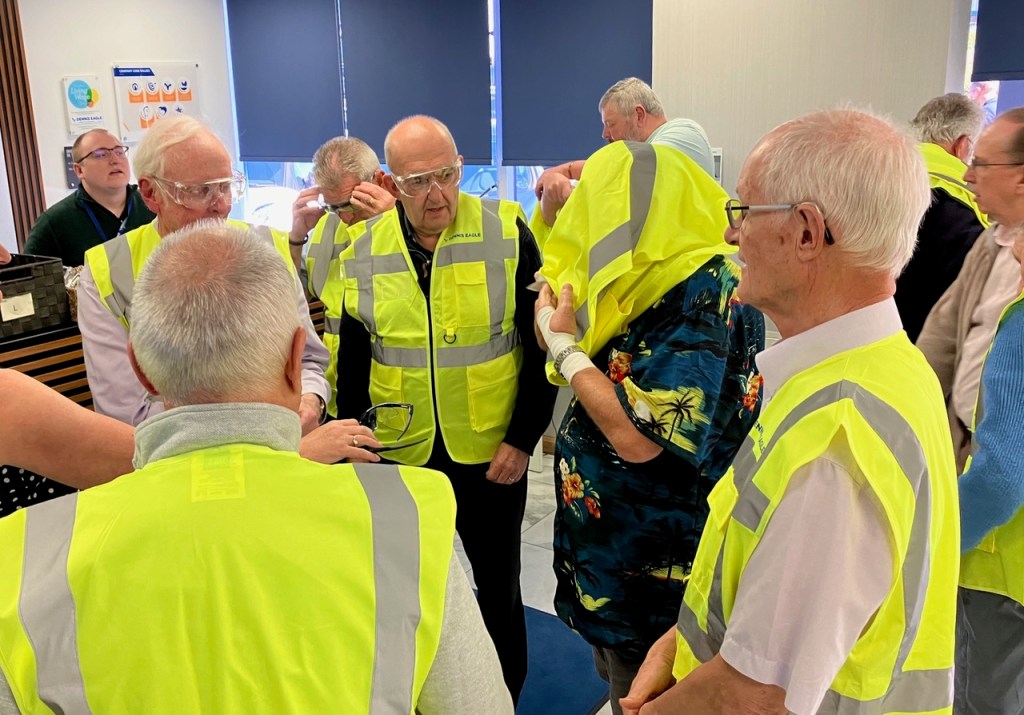
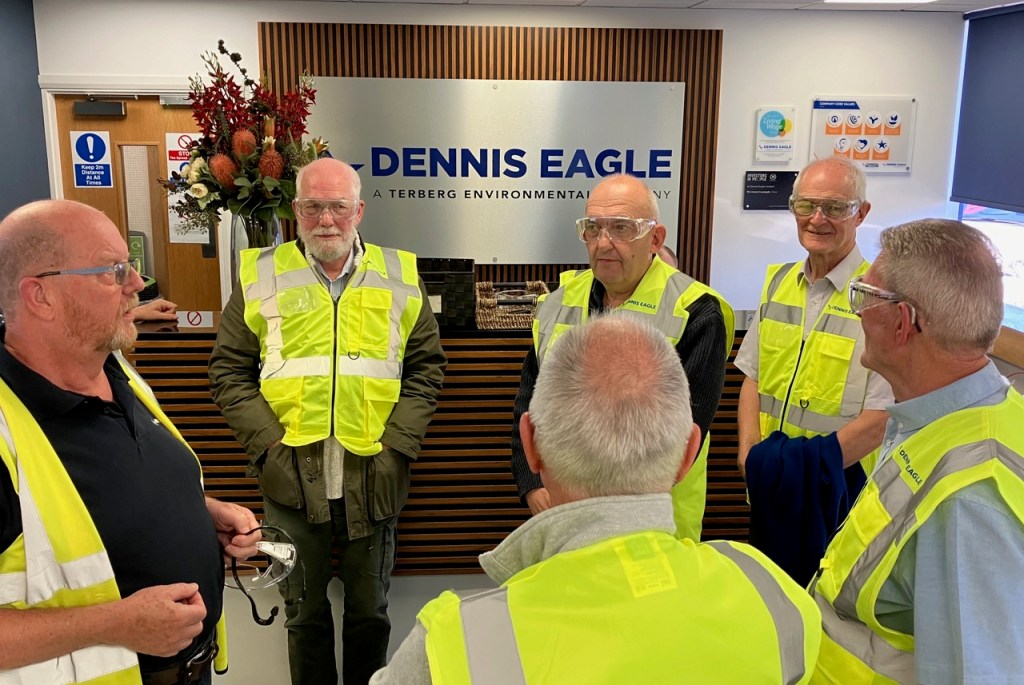
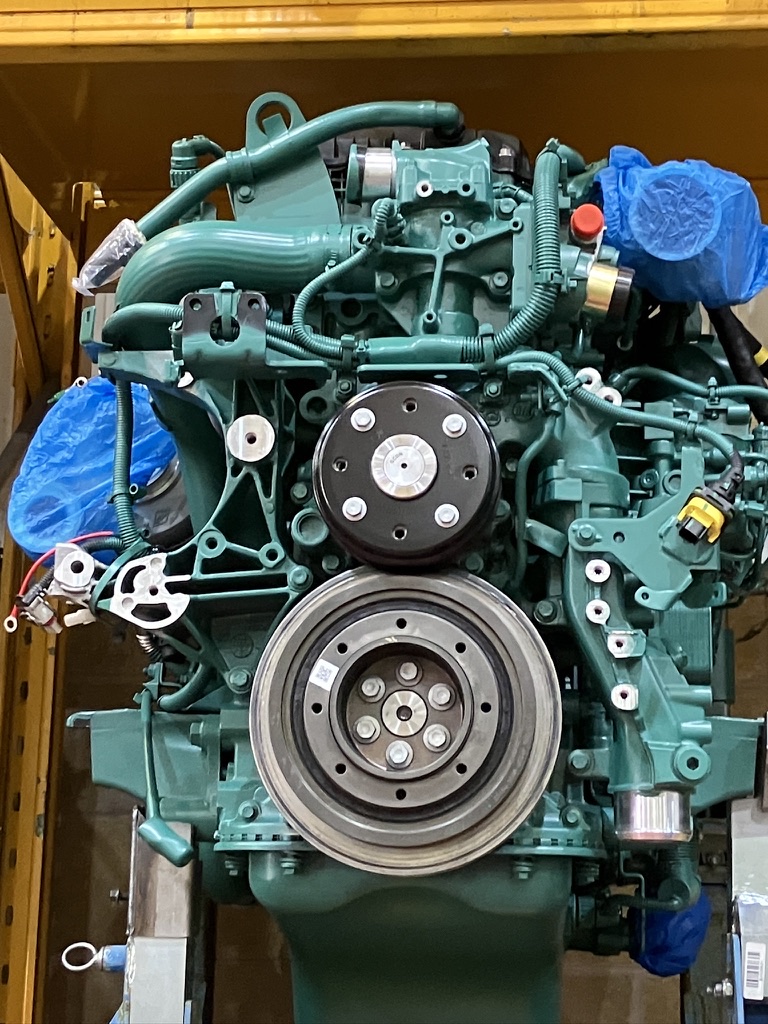
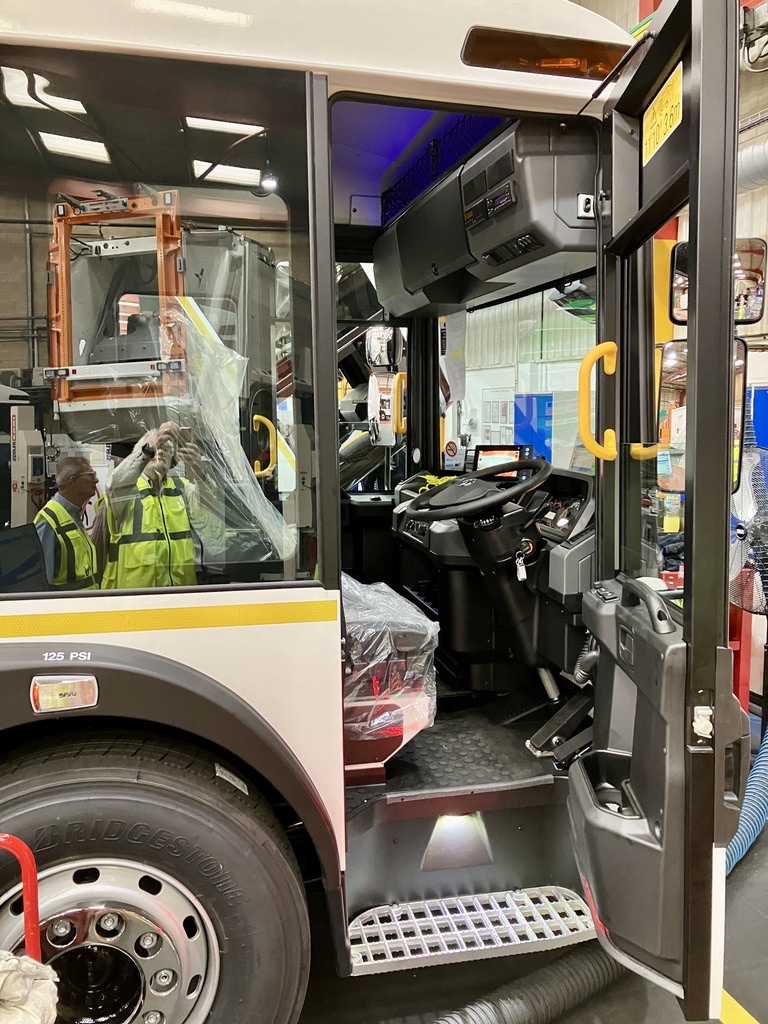
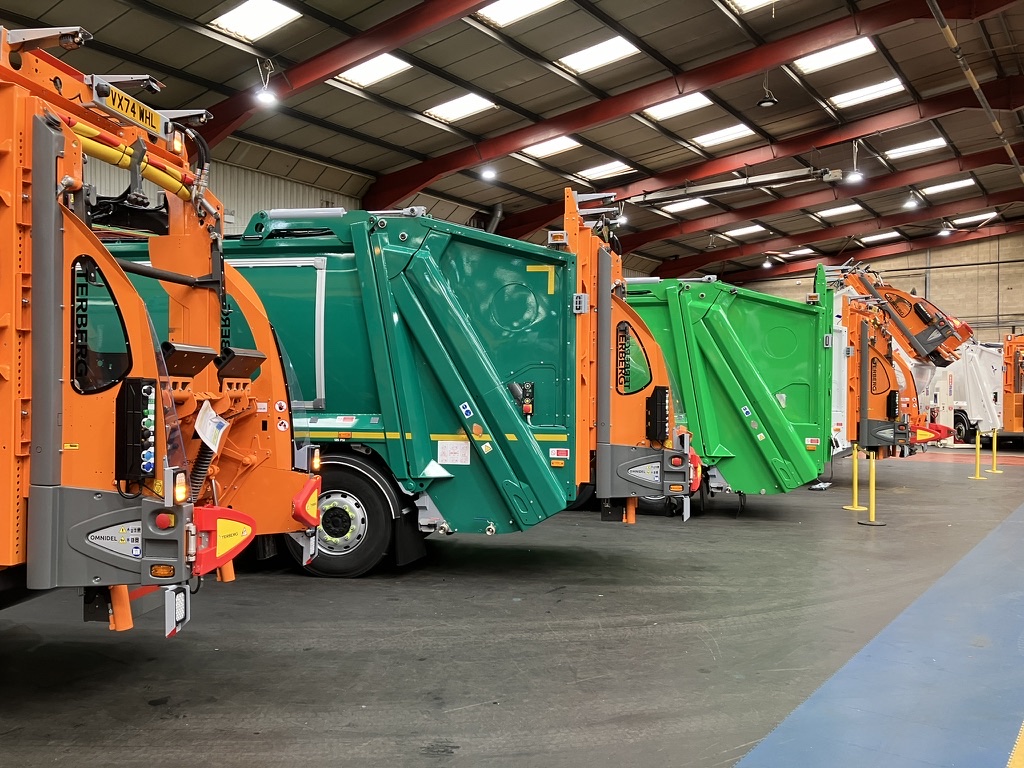
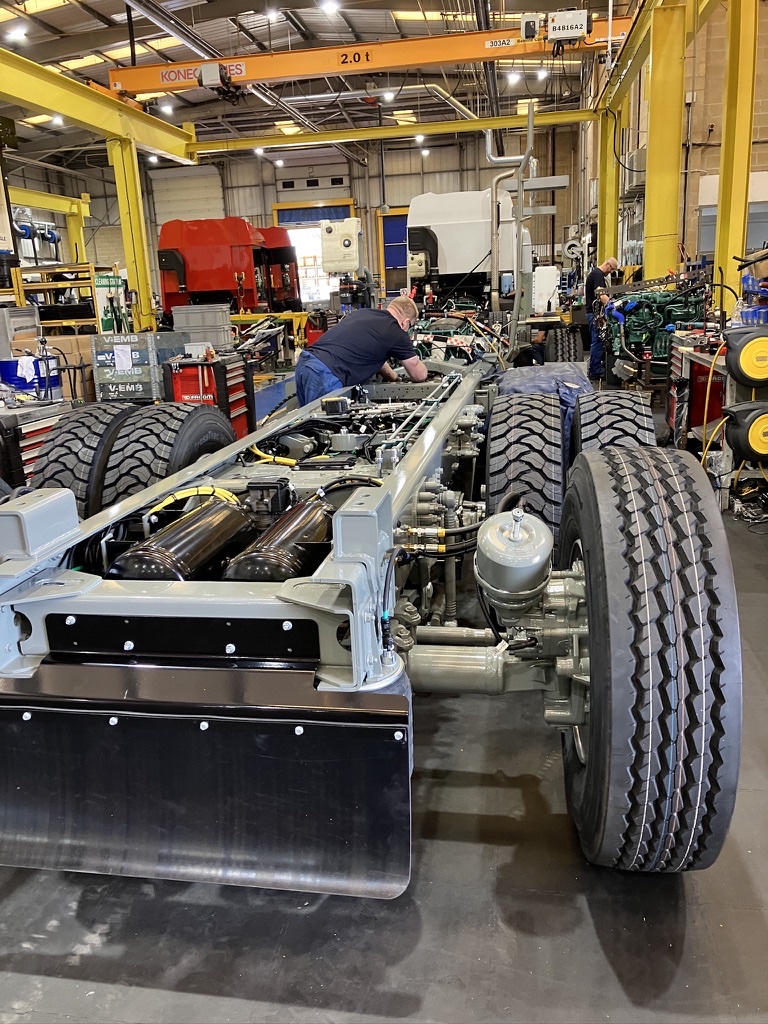
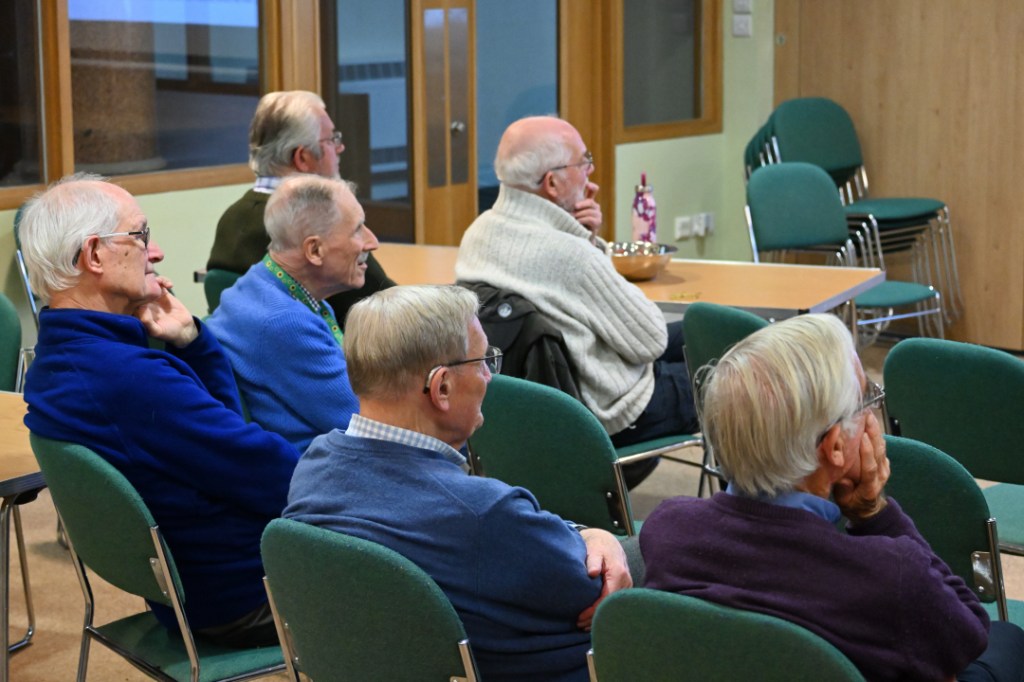
16 of us donned our high-vis jackets and protective goggles and set off with our guides in two groups to explore the Dennis Eagle industrial site in the Heathcote Industrial Estate. We were there to learn about in particular the electric refuse collection vehicles (eRCVs) for which they have become justly famous. 

These behemoths of the waste collection galaxy are impressive indeed! 

They are absolutely state of the art and are being snapped up by public and private sector organisations all around the country. Dennis Eagle also sell into the Netherlands, Belgium and a few other EU countries; and are now eating into the US and Canada markets.
We asked about the cost of these vehicles. Typically they go for about £450,000 - compared with £230,000 for a diesel vehicle. But the savings on the electric vehicle are considerable, making the payback period just 7 or 8 years. And of course there are many other environmental benefits, including noise reduction. 

We also asked whether they were developing hydrogen powered vehicles. Dennis Eagle are not convinced. They are watching what others are doing, but they see that the costs are much, much higher. And there are serious supply chain challenges. So they think this is an unlikely direction for them to take in the foreseeable future.

The site is amazingly extensive and we were well impressed with all that is being done there in Heathcote. Dennis Eagle is a company we can be very proud to have as a local one!

Lost in Church Lawford

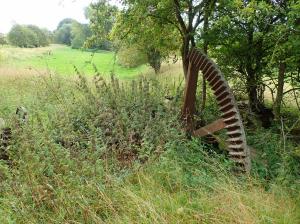
Eight of us completed a 4 mile walk through the Warwickshire countryside. The walk started well, confidently crossing the River Avon past some interesting remains of an old watermill. However we soon found ourselves lost in a wood. The direction of the path was not clear. After much discussion and consulting the map Richard discovered the path had been obstructed. The stile was overgrown and there was some barbed wire placed across the route of the path. Bravelly the 8 intrepid walkers cleared a path and carried on. Soon another adventure began as we had to cross a field with a herd of very unfriendly bullocks who were looking at us in a very menacing way.

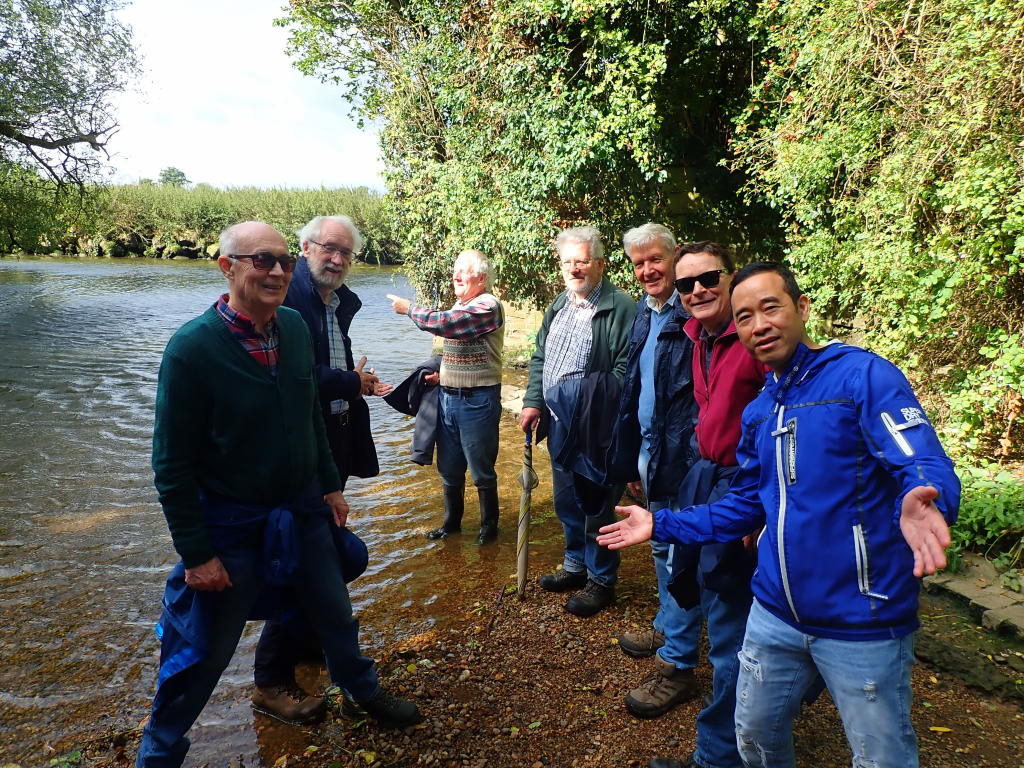
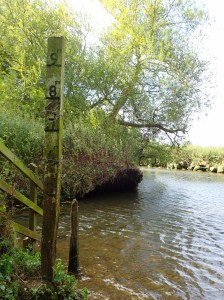
We made it safely across the field and continued until we found ourselves at Little Lawford Ford and you can see a photo of the group discussing options as it was too deap to wade through. We found a bridge just around the corner and were able to get back across the river and made it back to the Old Smithy in time for lunch, the most important part of the walk!

Jolly Outing to Oxford

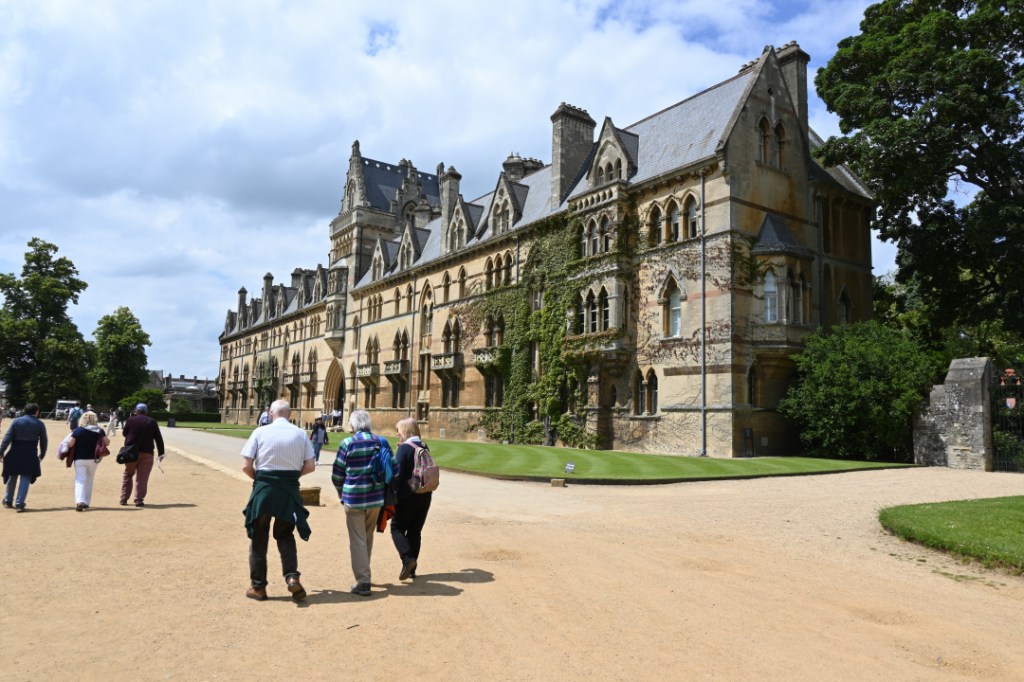
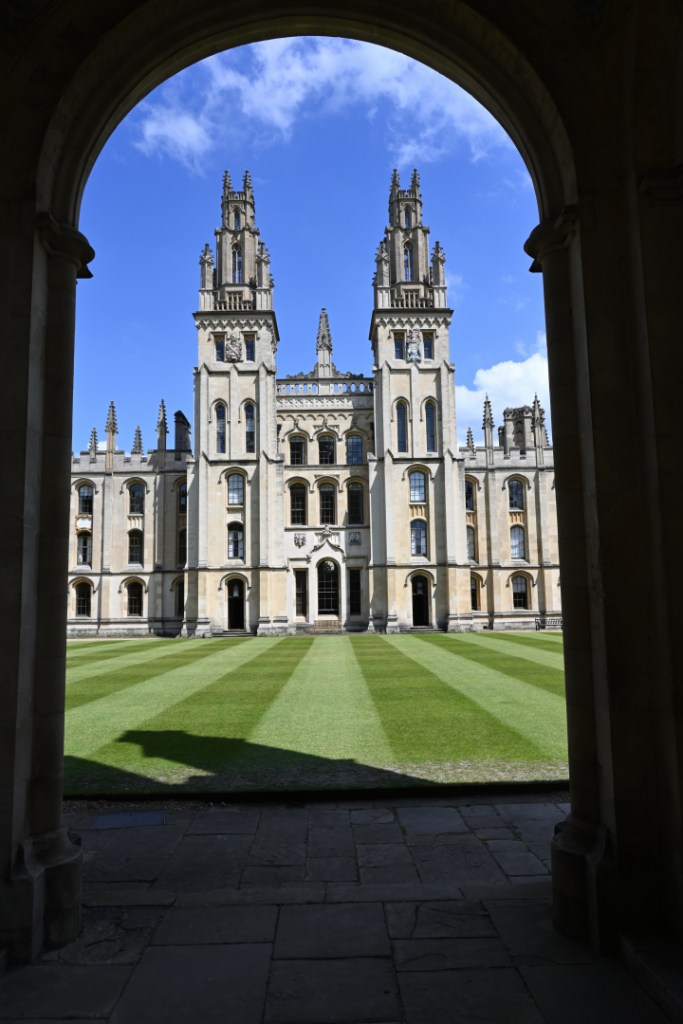
It’s June so MIRTH goes on its annual outing. This year the destination was Oxford.

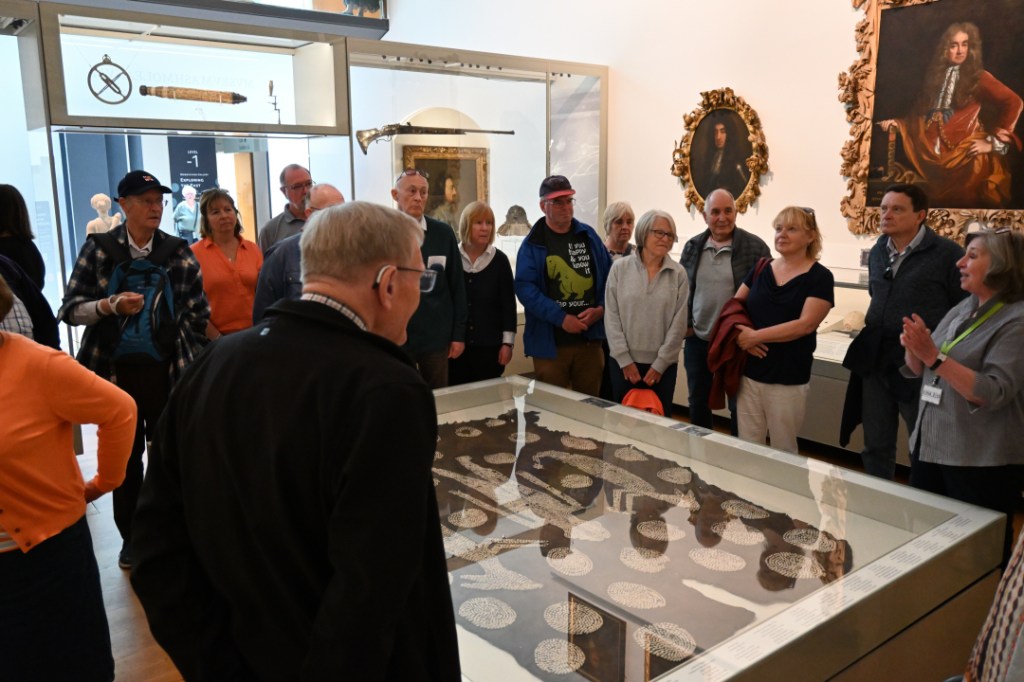
After a smooth journey on the coach, we were delivered to the Ashmolean Museum.

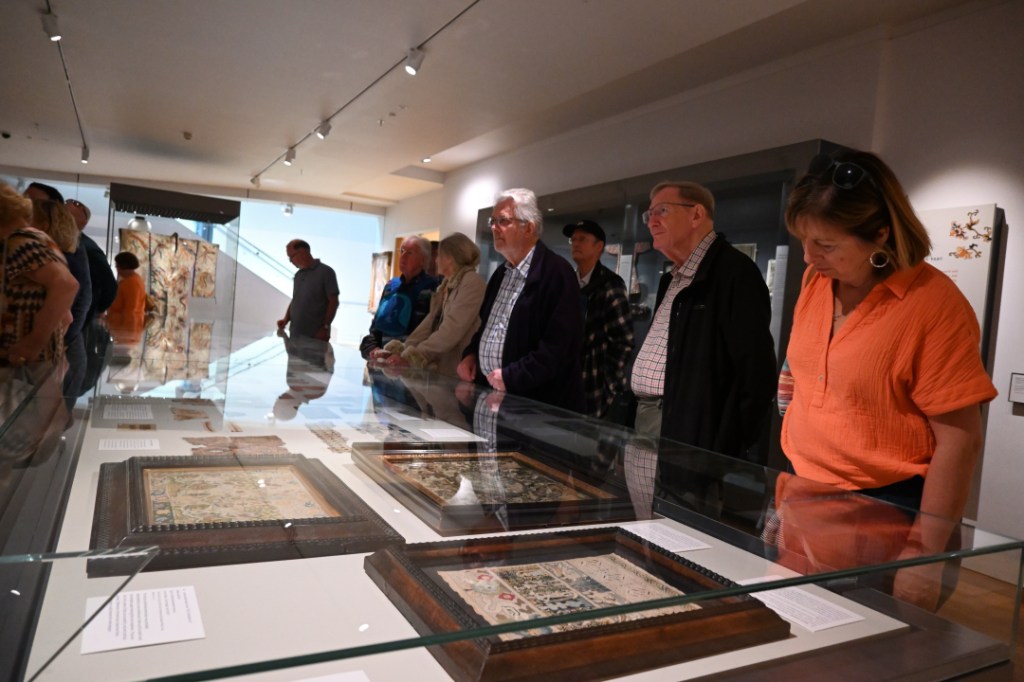
After a quick coffee break, many of us enjoyed a tour of the Museum with an expert guide.

First, we were introduced to the history of the museum. It opened as Britain’s first public museum and the world’s first university museum in 1683. (It moved to its current site in Beaumont St in 1894)

We then spent about an hour being introduced to the wide range of treasures housed in the building from ancient artefacts to 19th century impressionist paintings.

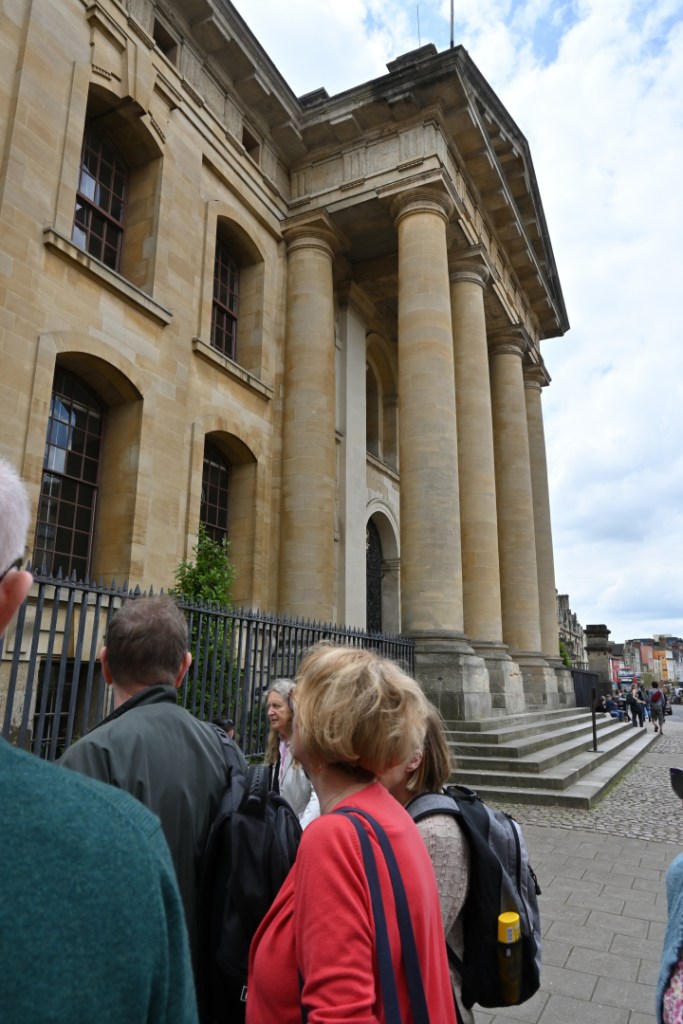
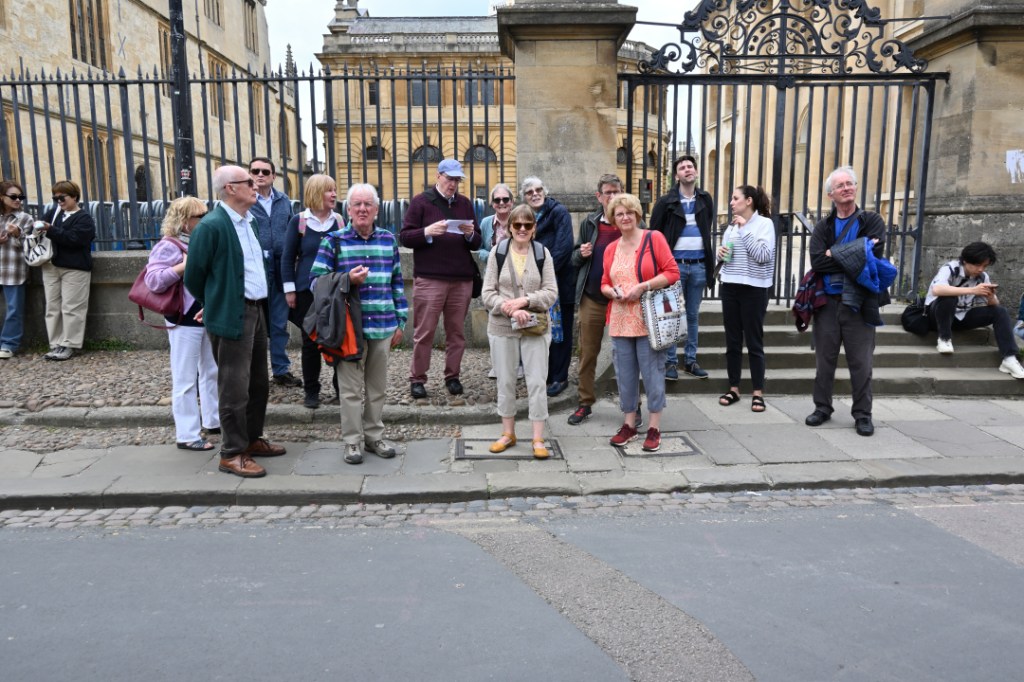
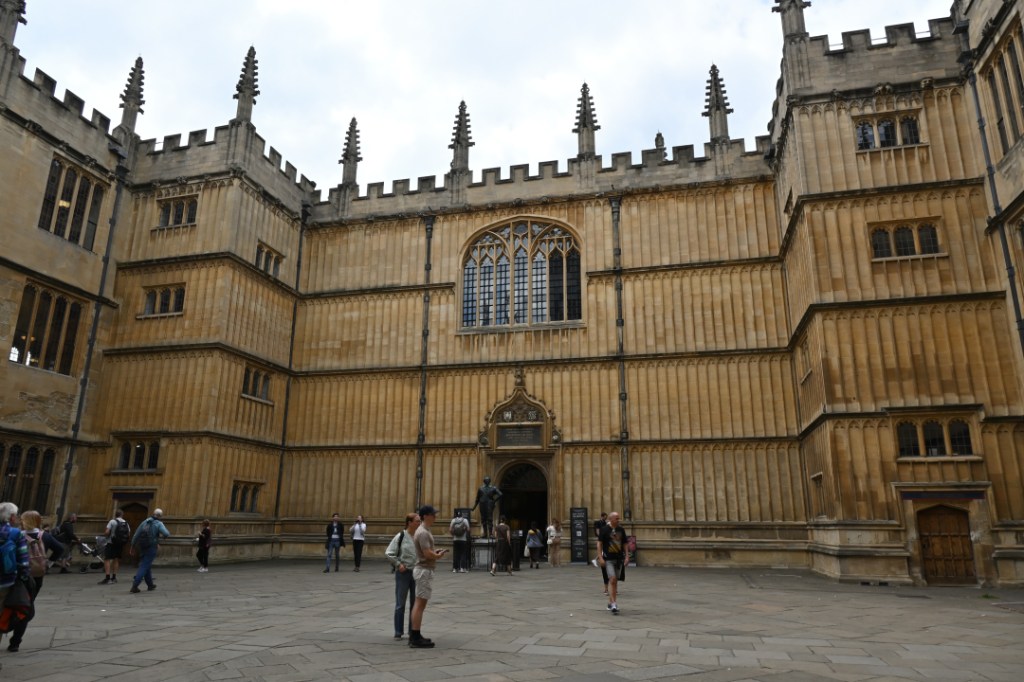
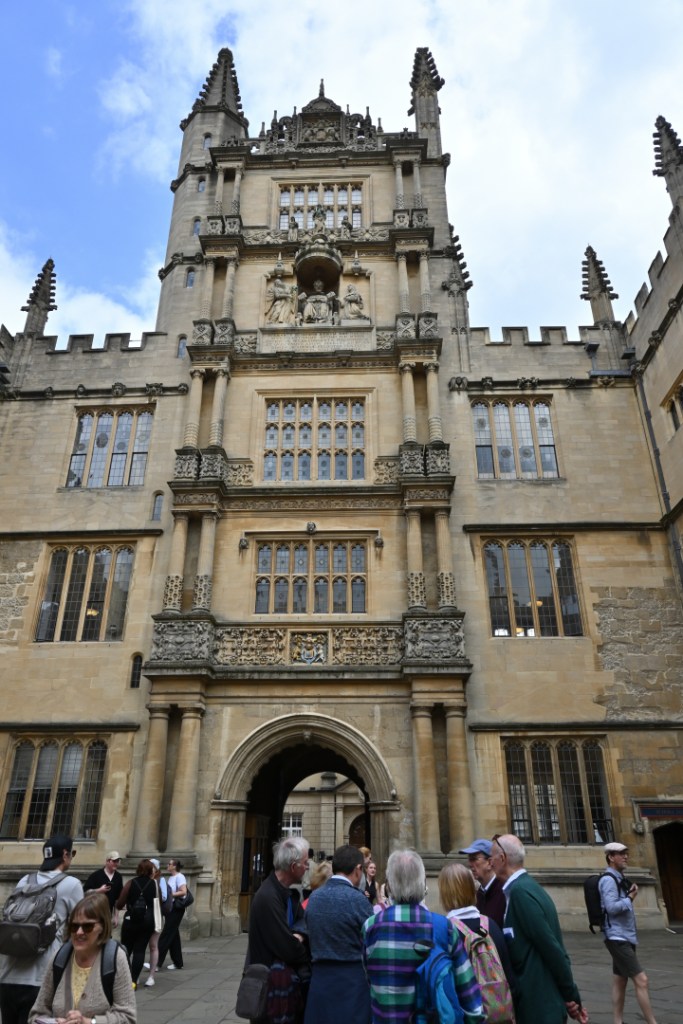
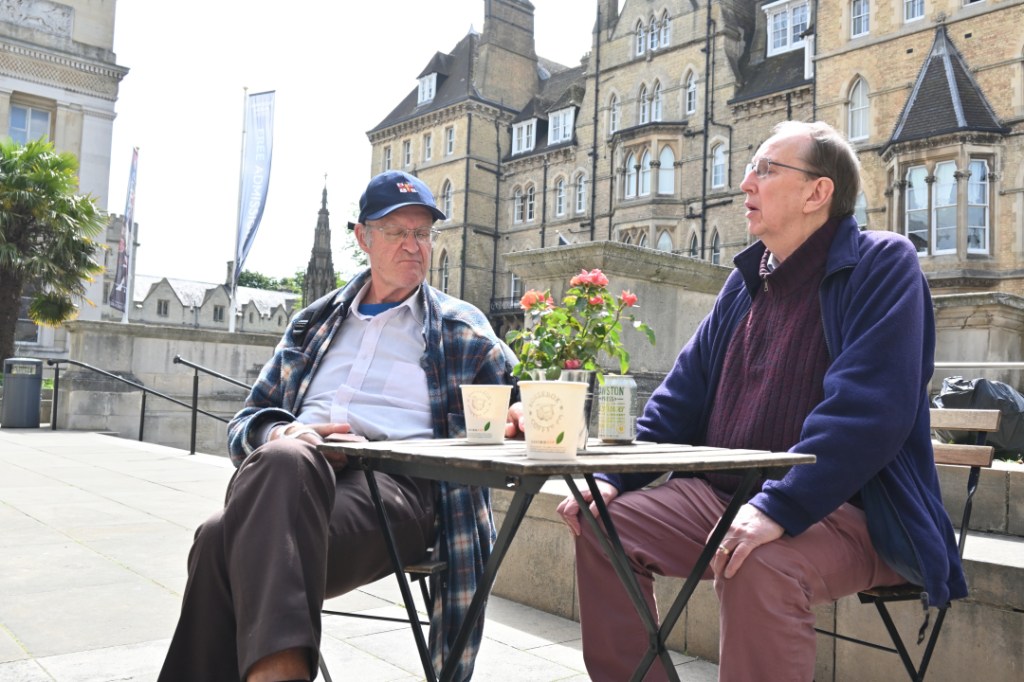
The highlight of the afternoon was Tim’s walk. Tim has spent some time in Oxford whilst his son studied there and shared his considerable knowledge with us. He took us around some of the famous colleges and sights.

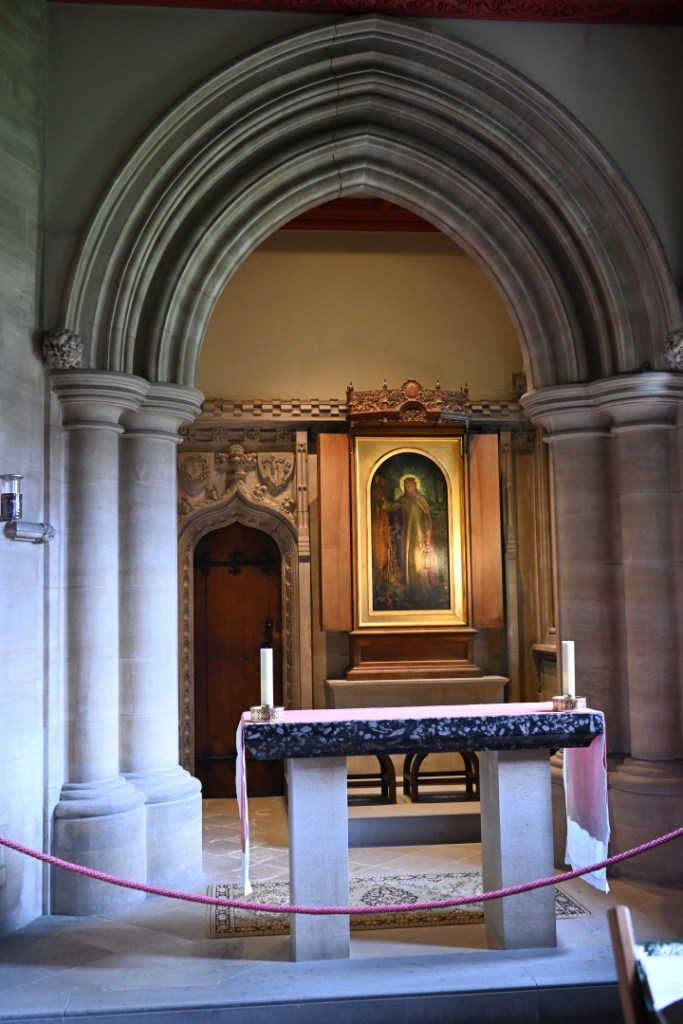
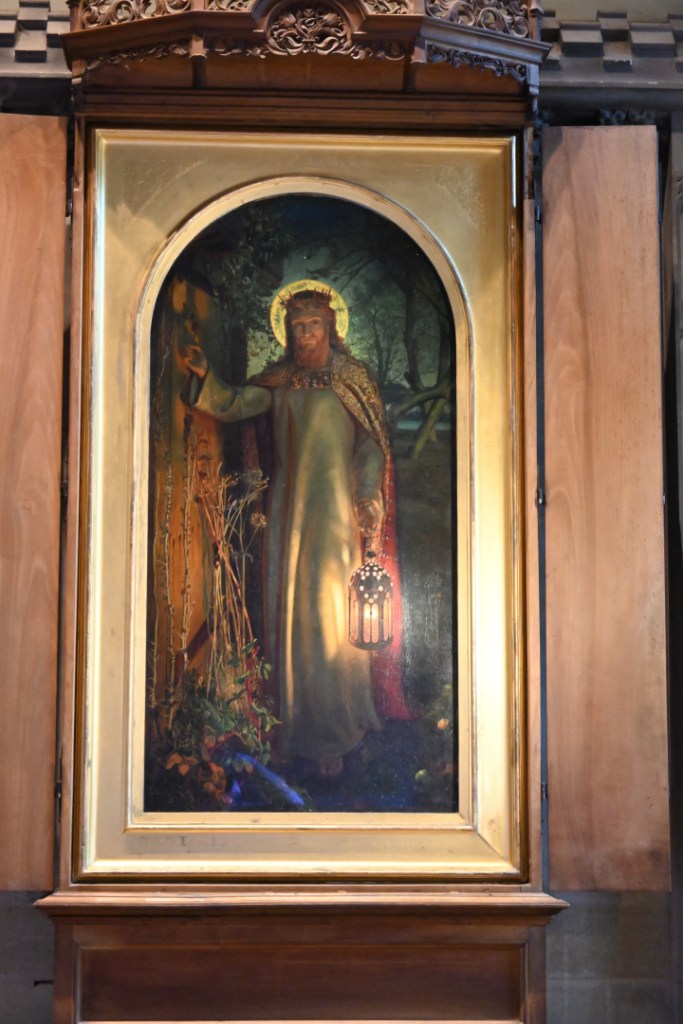
After the walk, I managed to visit Keble Collage Chapel and see the famous painting “The Light of the World” by Holman Hunt. This is the earliest of the three versions of this painting by Holman Hunt. (You can see a photo of the painting at the bottom of this post.)

Others enjoyed leisurely lunches, shopping and visiting their old colleges or simply spent more time in the Ashmolean. Too soon it was time to get the coach back home but I think we all agreed it was a jolly day out.

Bascote Heath and HS2

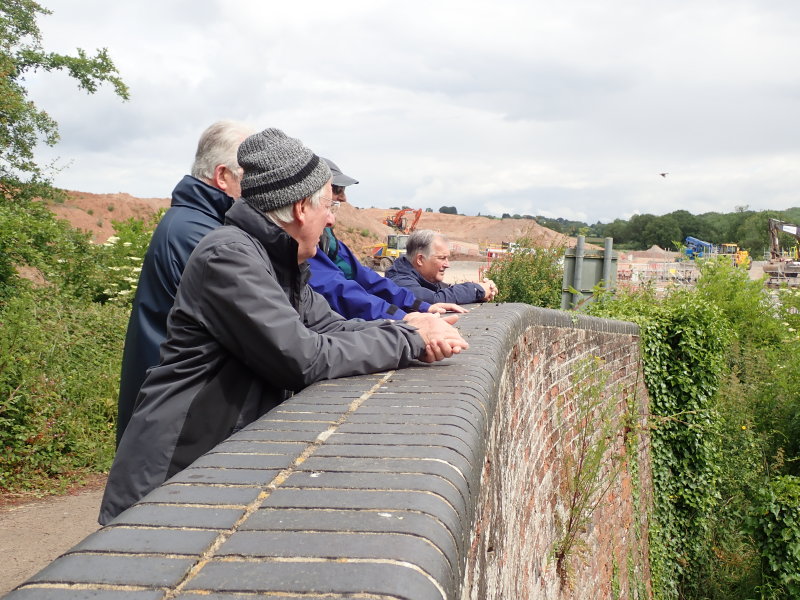
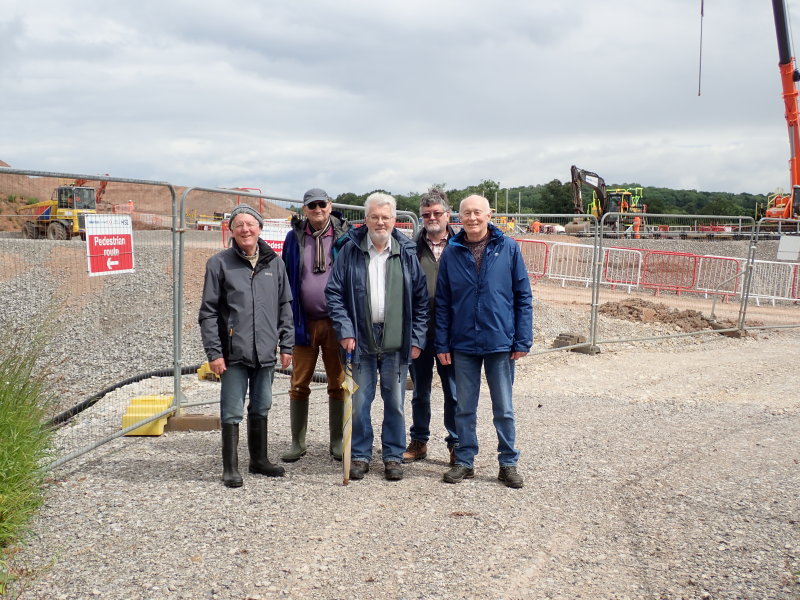
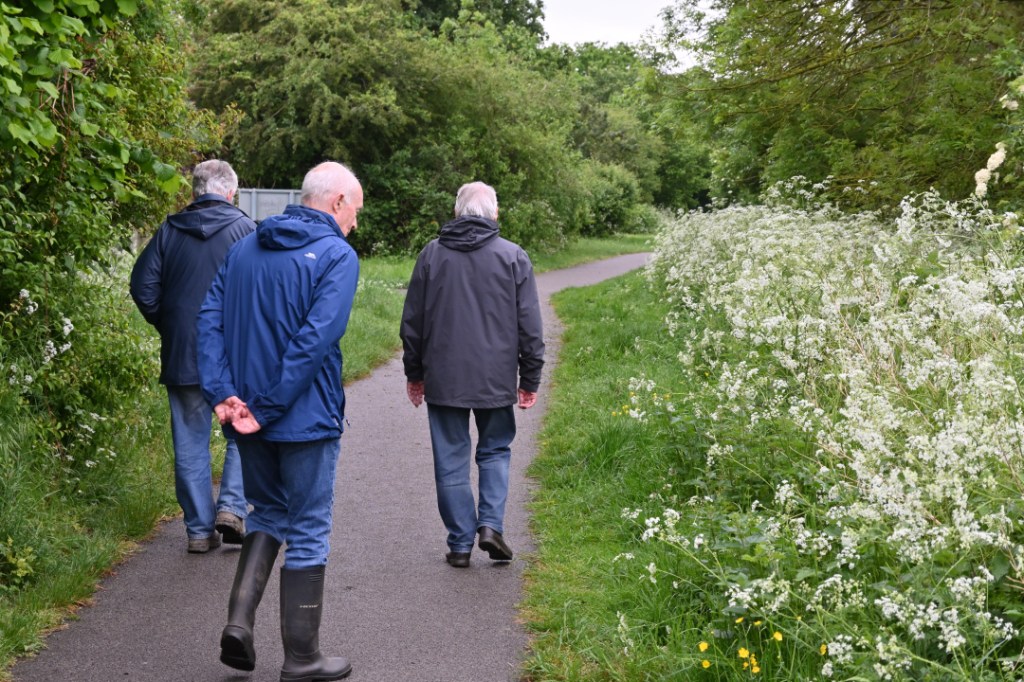
Todays mainly dry walk took us from the Fox and Hen and back in time for lunch. Soon after setting off we passed a sign for Bascote Heath Underground station, not sure what zone this is in but must be 8. We walked about 4 miles in total. First passing through Ufton. We continued on to the HS2 works where they are constructing a bridge over the Grand Union Canal to carry the HS2 railway; old infrastructure vs new. We stopped a while, all boys (young and old) like to watch diggers at work. As some one once said “I love work, I could stand and watch it all day”.

We continued along the tow path and passed a barge towing a small barge “Chip”. This small barge houses the owners wood turning workshop.

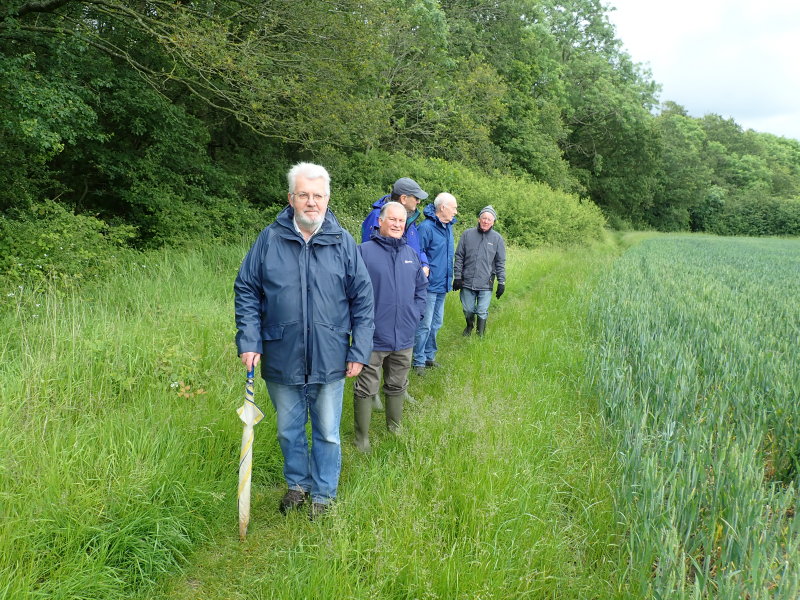
Returning across the fields the path seemed to disappear and for a while and it looked as if we were heading in to a field corner with no way out. Graham even began to doubt Richard’s directions, he should have known better as we approached the corner the path passed through the hedge and over a small bridge over the stream so rule no 1, never doubt Richard’s directions.

After the walk we returned to the Fox and Hen for a well deserved lunch, it was good to be joined here by some other members who could not make the walk.

Lawn Bowls Experience

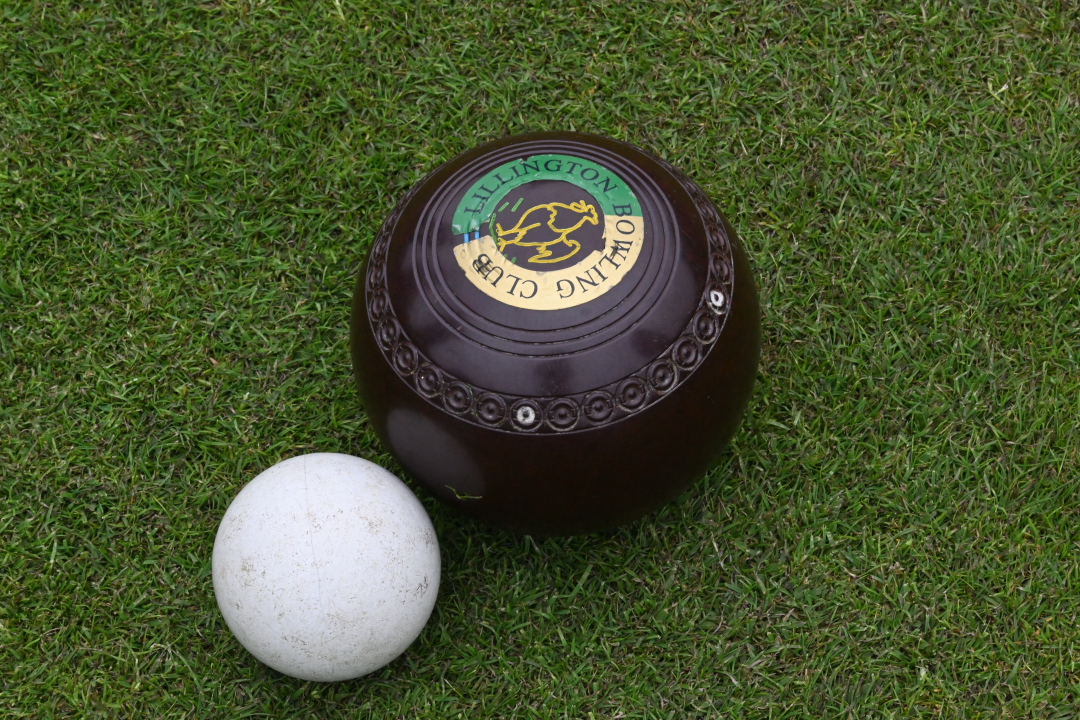
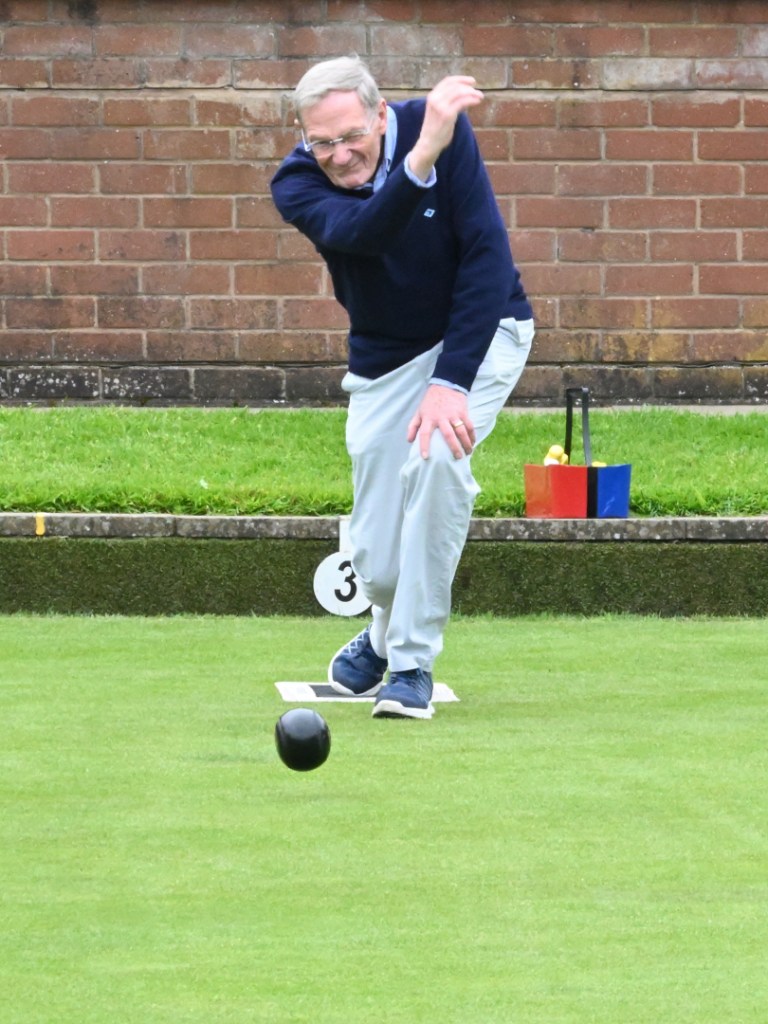
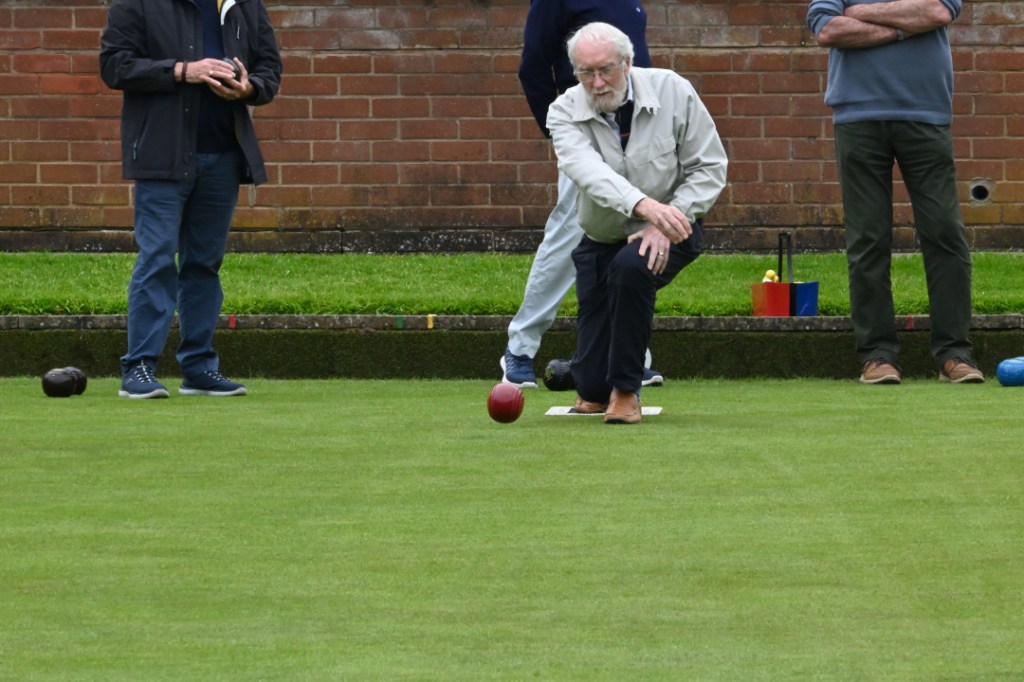
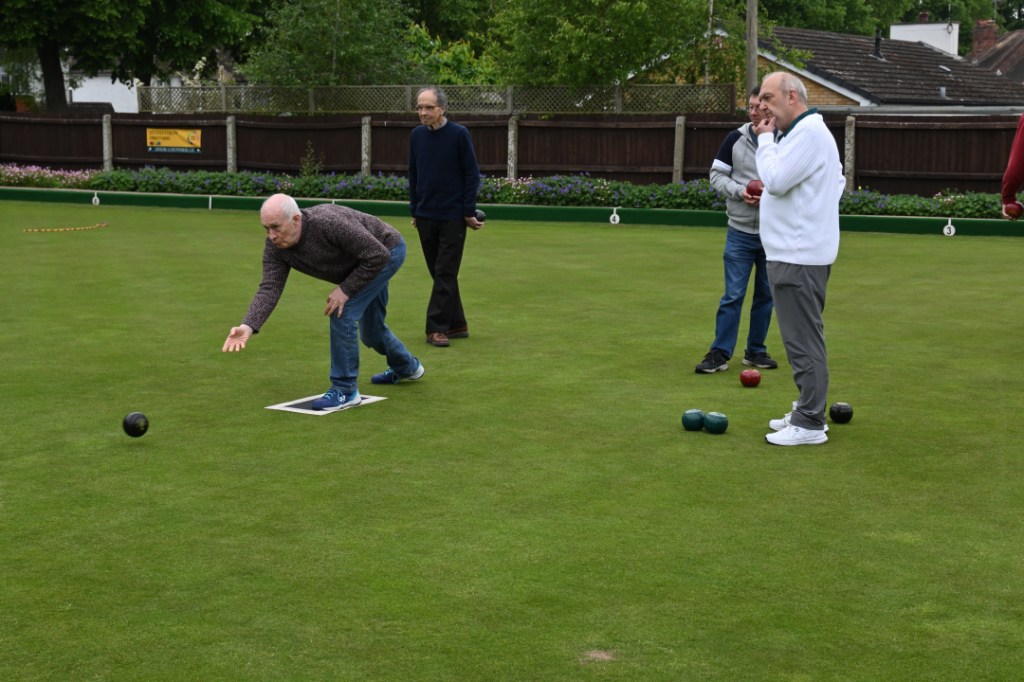
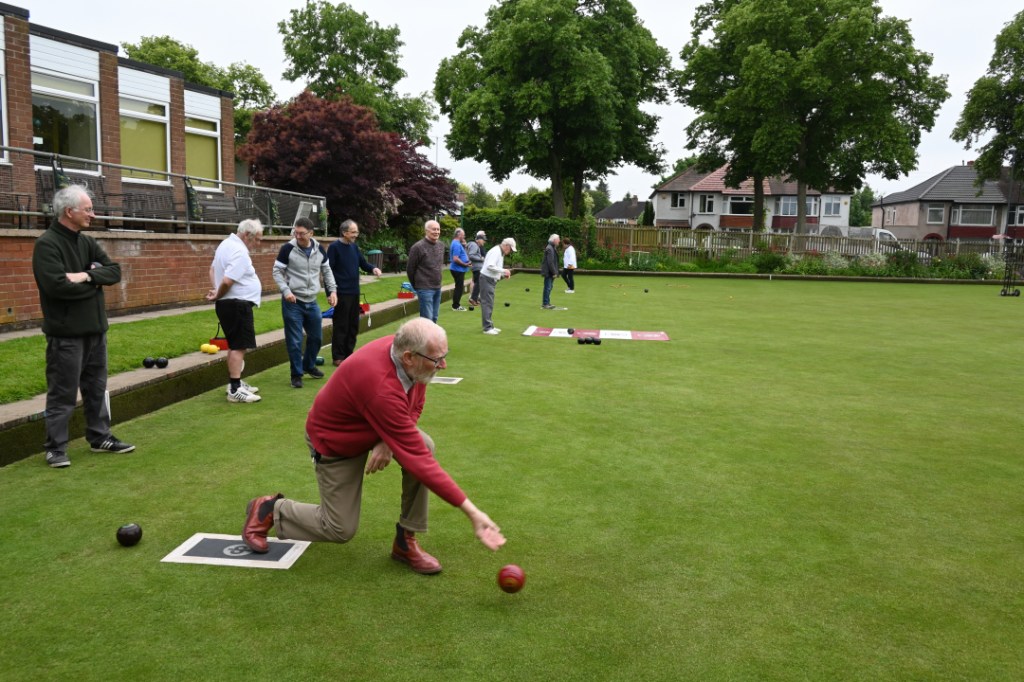
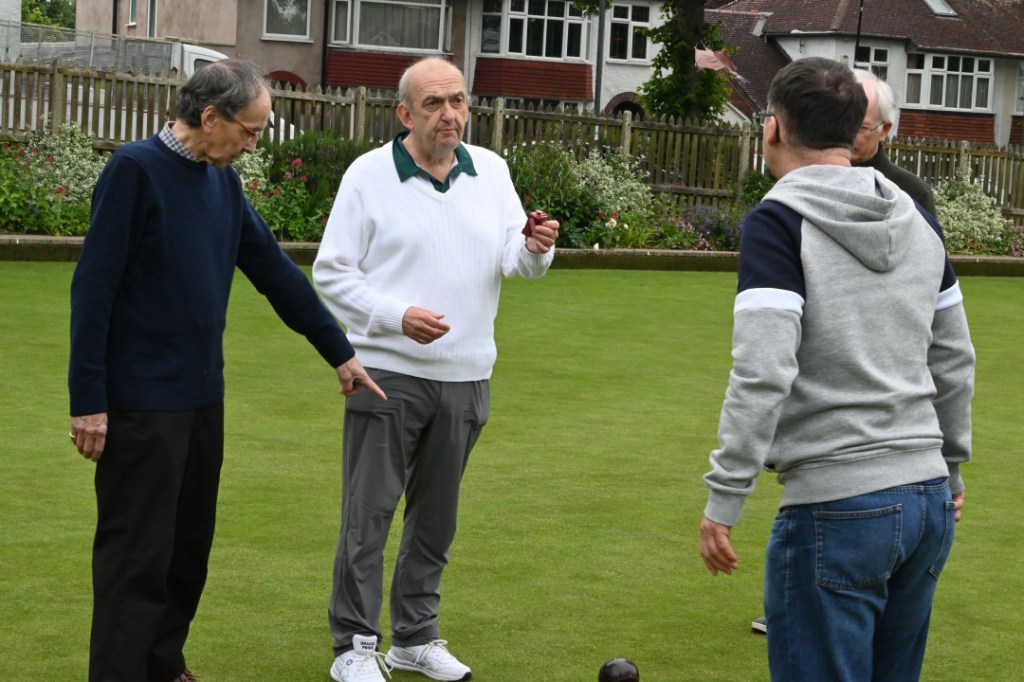
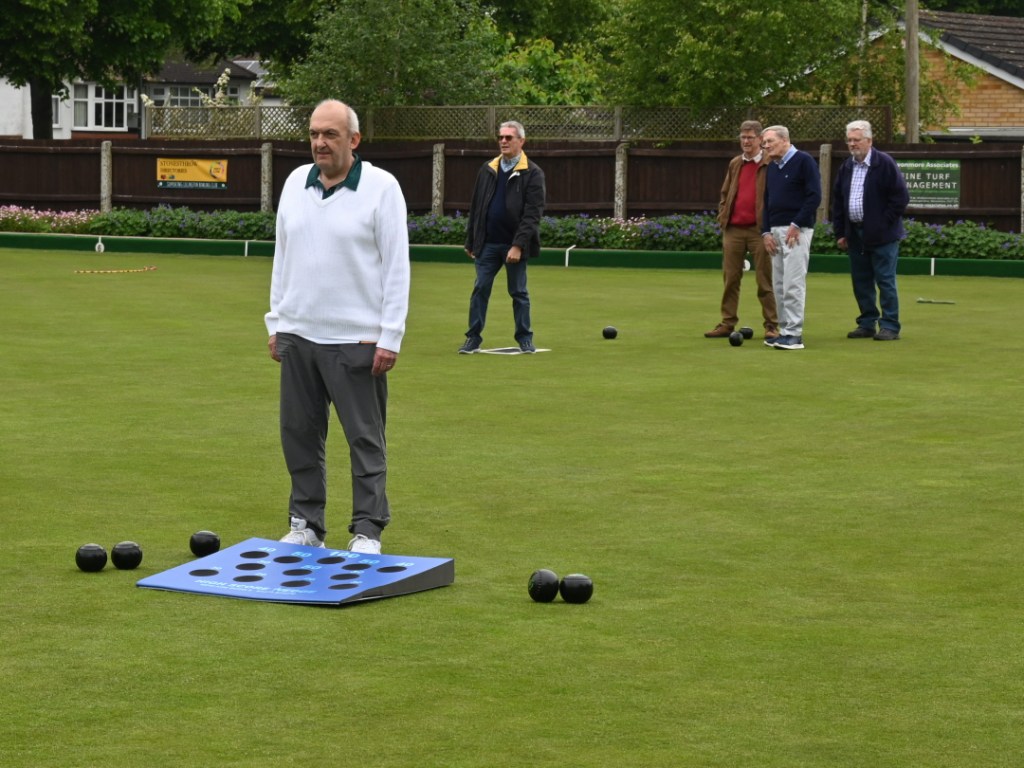
Following lunch at the Rugby Tavern around 20 MIRTHers enjoyed an afternoon trying Lawn Bowls courtesy of the Lillington Bowls Club ( https://www.lillingtonbc.co.uk/ ). The weather remained dry and our coaches were able to introduce us to the basics of the game. To help us get used to bowling they set out what could be described as a crazy bowling course with targets and obstacles.

After this we played a short game in groups of six. We managed with varying degrees of success to get the balls close to the jacks. At one point Terry had to get the tape measure had to come out to check who was closest.

A lot of fun was had by all, who knows perhaps some MIRTH members will follow up with more tuition.

Around Shottery and Stratford upon Avon

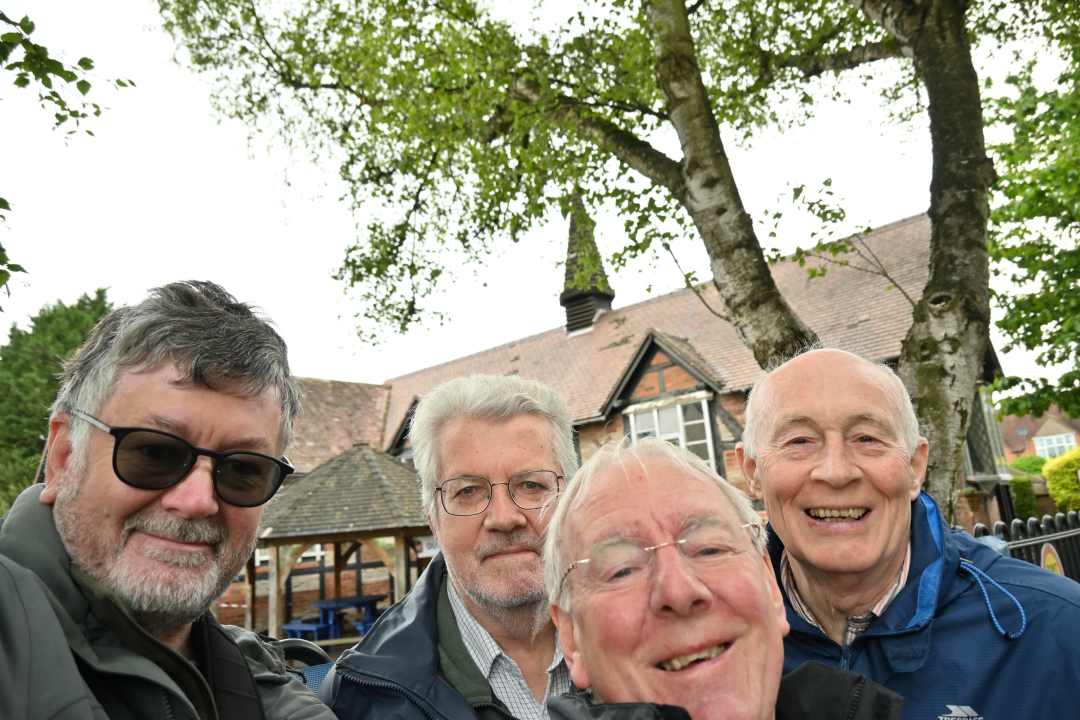
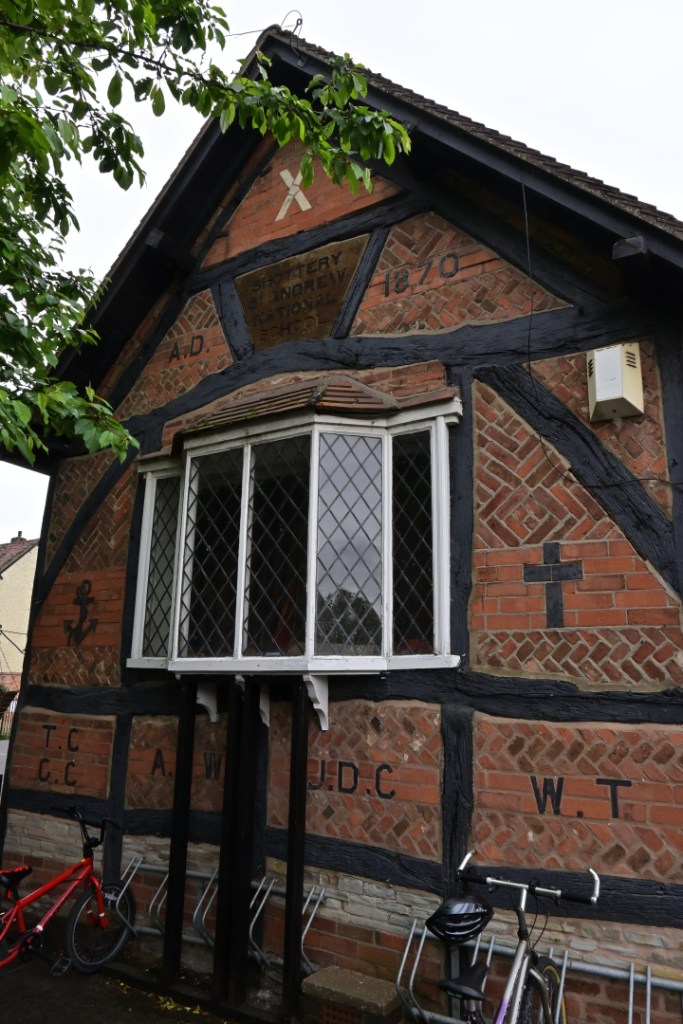
Only four walkers today but we had a dry walk. The walk started in the centre of Shottery. Soon passing the primary school dates back to 1848 but we felt the building was much older. As we took a team photo outside the school there was some discussion as to if the local lass Anne Hathaway (Shakespear’s wife not the Actress) might have attended the school.

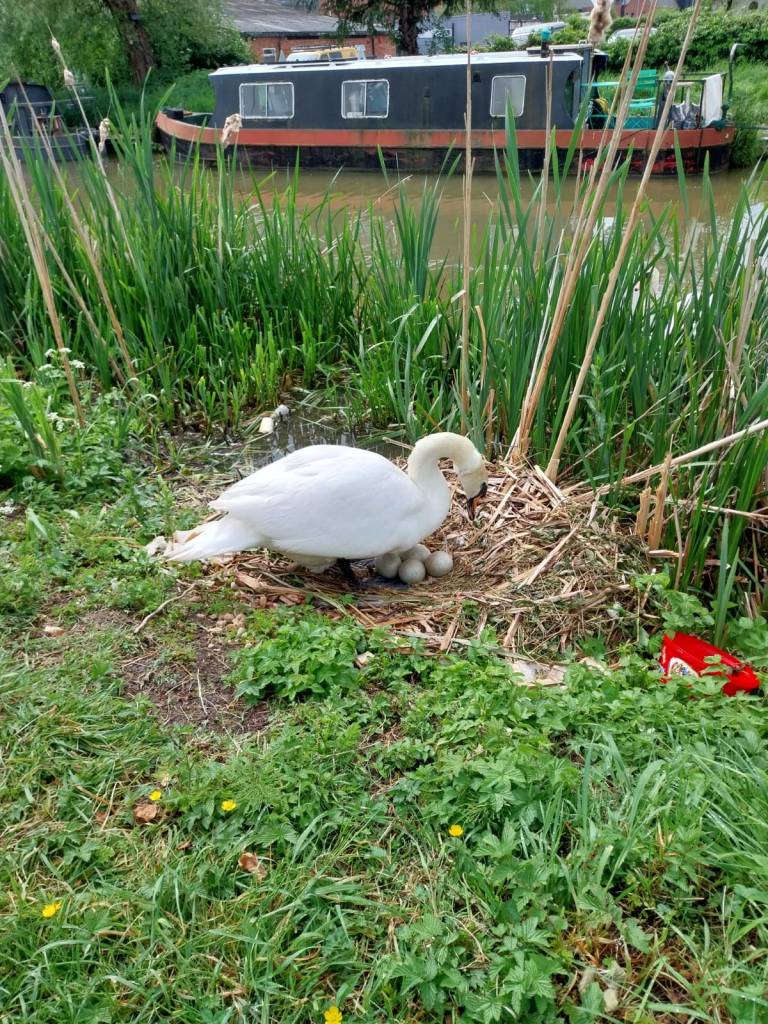
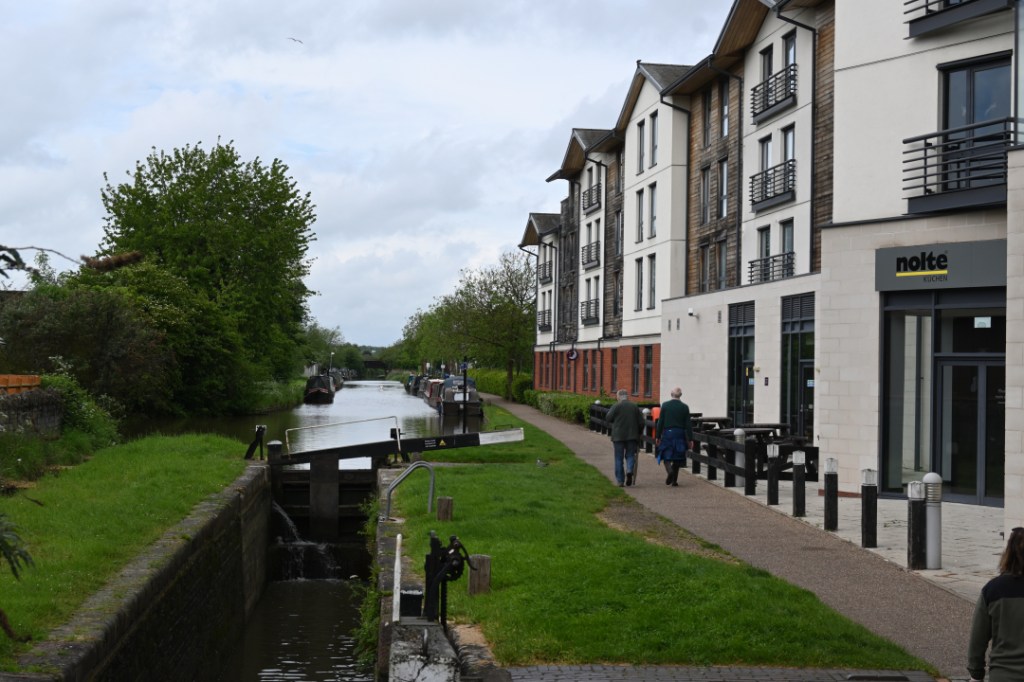
We passed the racecourse and then into the town. The walk then took us alongside the canal where we paused to watch a nesting Swan organising the eggs in the nest.

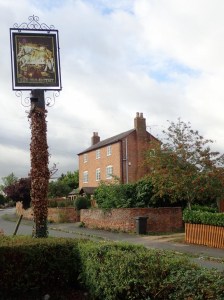
After 4 miles we arrived back at The Bell pub in time for lunch. All was going well until halfway through his pie Richard was wondering why he could not see any chicken in his pie and realised they had given the mushroom pie by mistake. He reported that the pie was still good.

Sent to Coventry

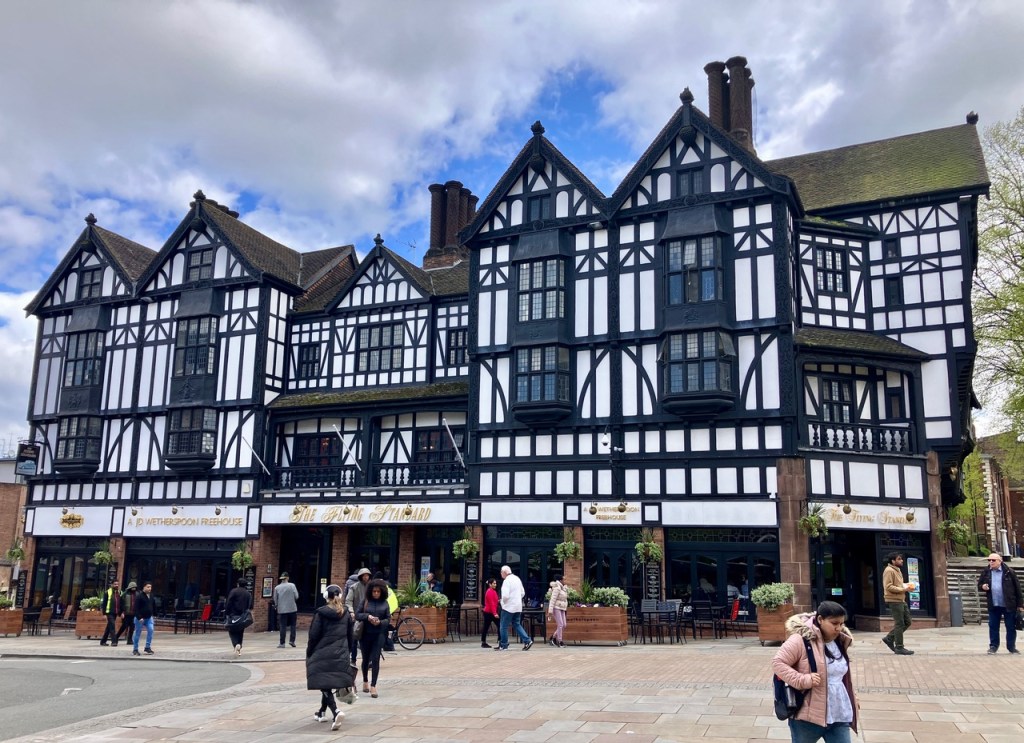
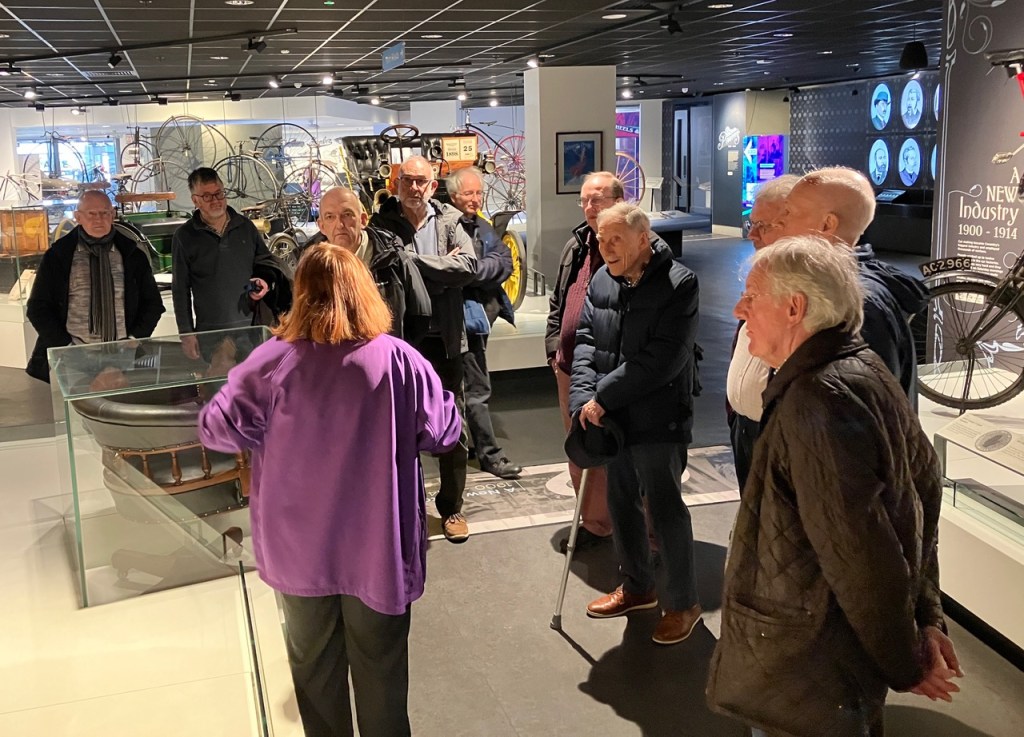
After lunch at the Flying Standard, 11 of us settled in for a one-hour guided tour of the Coventry Transport Museum.

Our loquacious tour guide kept us on our toes by singling out individuals to interrogate with leading questions (i.e. none of us fell asleep 😉).

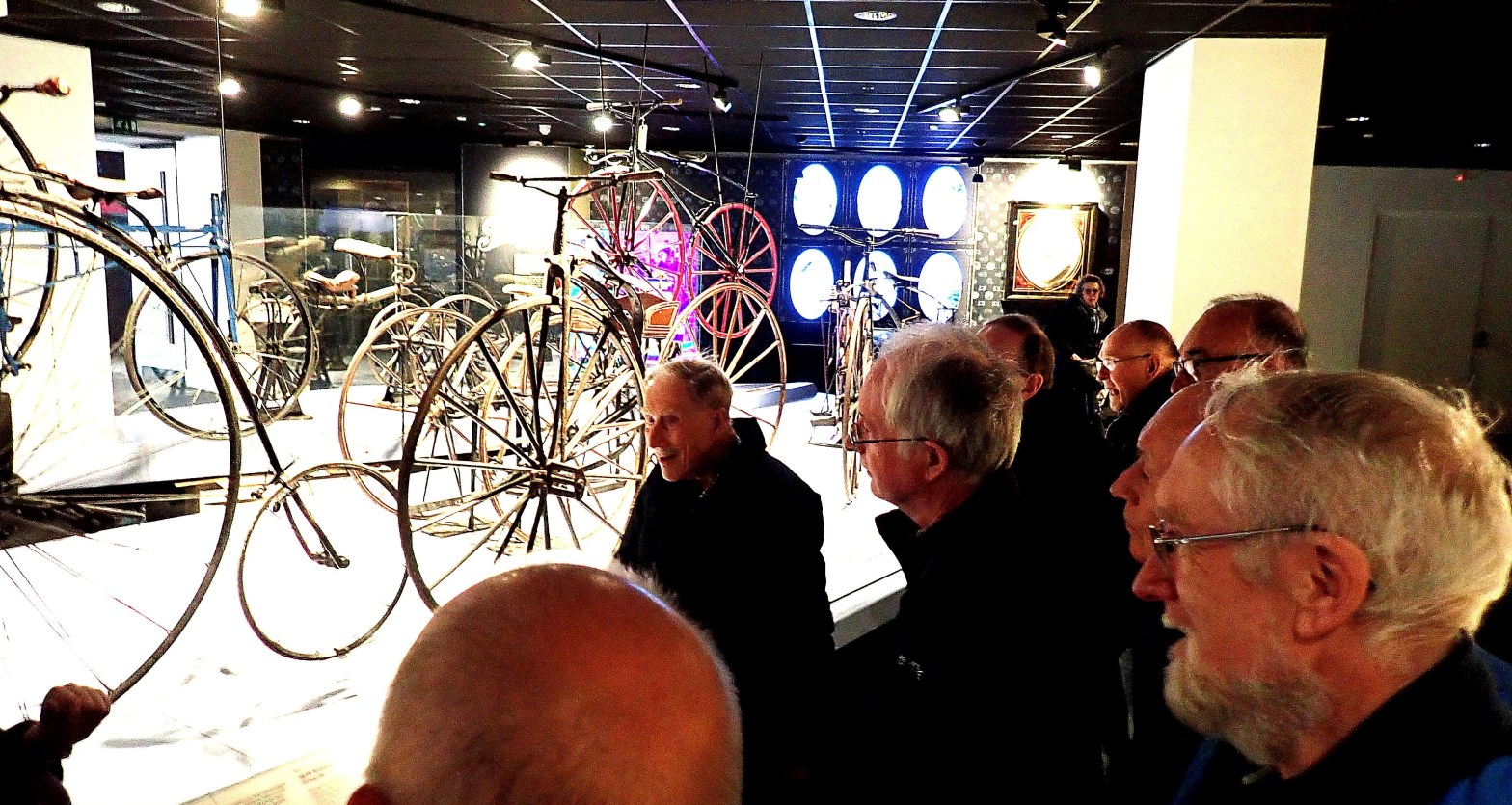
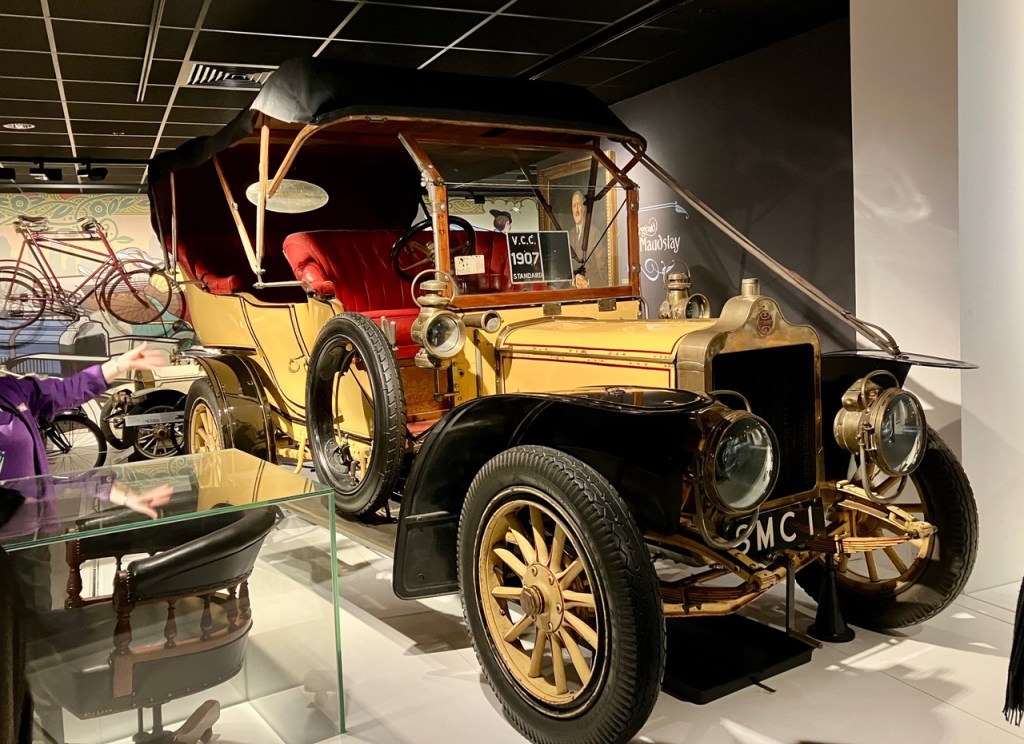
We saw a truly impressive array of bicycles, motorbikes, cars and other vehicles. All testament to the importance of Coventry over many years to the growth and decline of those industries in the area. On a positive note, Jaguar still has a strong presence in the area and the new Jaguar gallery shows how the marque has developed.

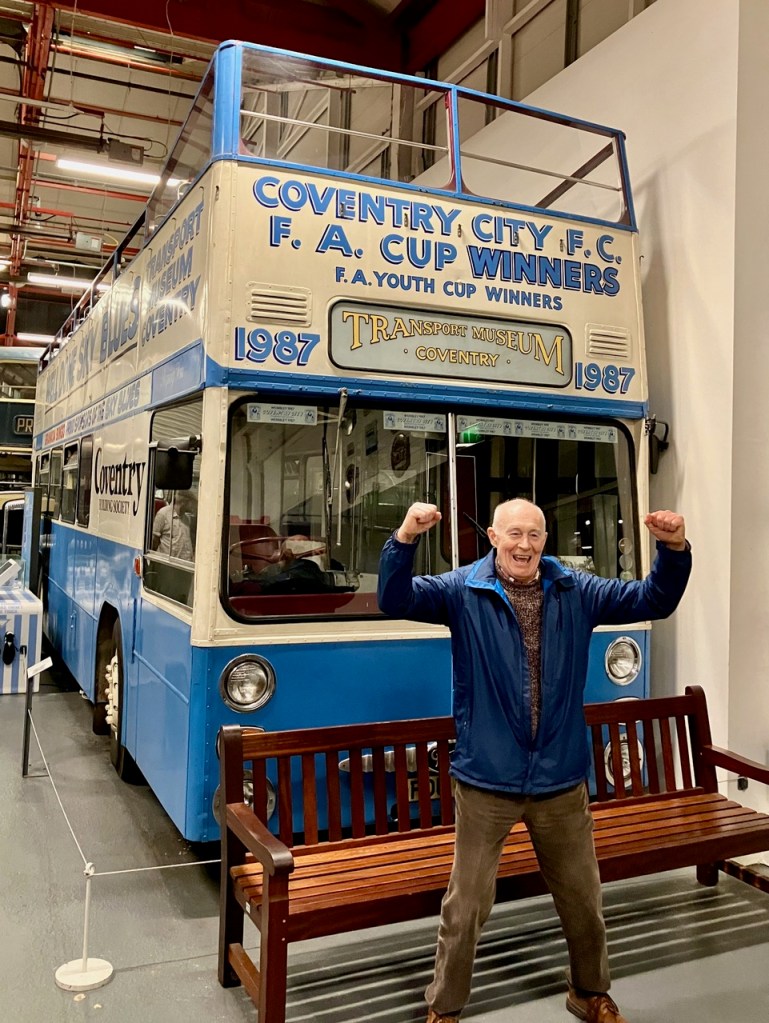
Most exciting of all – for Pete at least – was the open-top bus used in 1987 to celebrate winning the F.A. Cup … and the F.A. Youth Cup (now how many of us knew that?!).

King Solomon’s Gold: Fantasy or Fact?

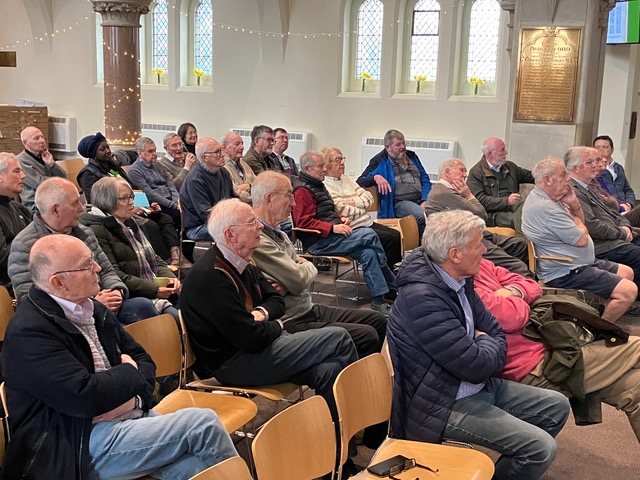
Some 50 of us sat attentively at the feet of Prof Alan Millard to hear him talk about “King Solomon’s Gold: Fantasy or Fact?” We came in hope – that we might walk away with some gold in our hands [Ed: really? … really!?!! You knew this was a MIRTH event 😳 But … wait till you hear the end! ].

Prof Millard told us of the very large quantities of gold which King Solomon received, including 3.9 tons from the Queen of Sheba; and 21.6 tons annually (worth over £1 billion in today’s money. And bear in mind that the Bank of England currently has something over 300 tons of gold reserves.)

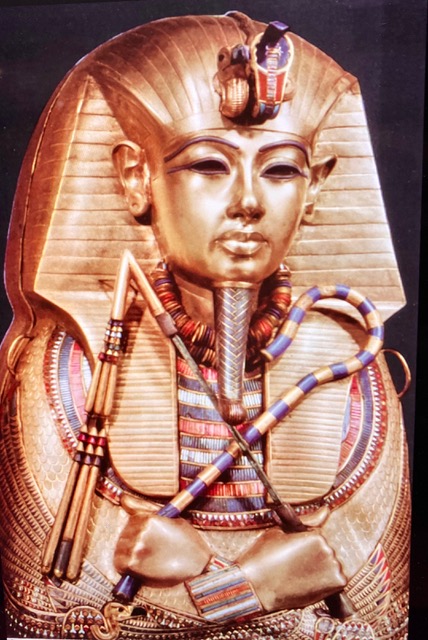
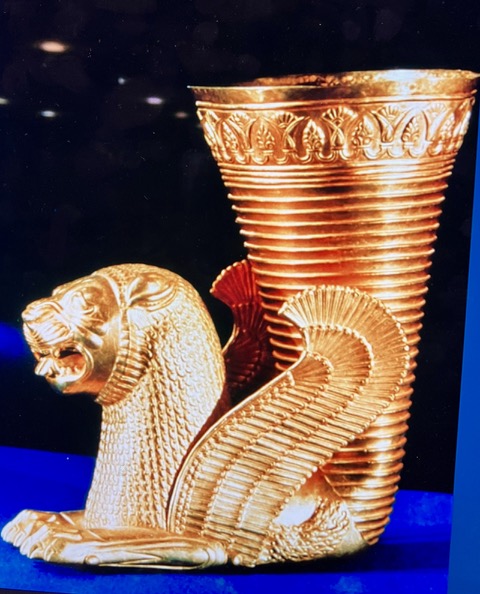
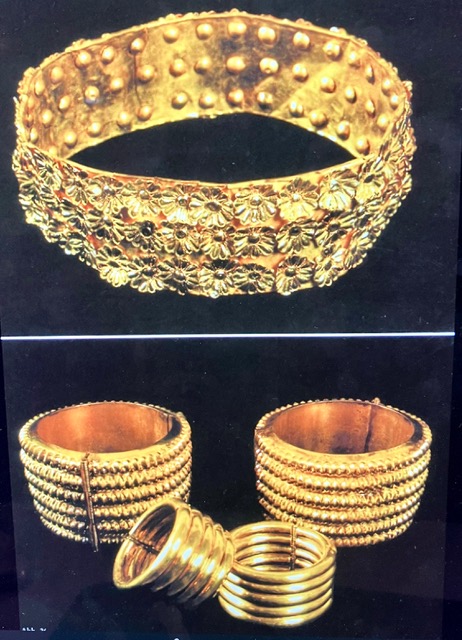
He took us through the extensive evidence which exists. He told us of the quantities listed in the bible in 1 Kings 10 and 2 Chronicles 9. He showed us beautiful pieces – gold cups, bracelets, anklets, funerary masks … He told us of the impressive temple areas plated with gold – including the amounts in the Temple of Solomon.

But just when we thought Solomon had a lot, Prof Millard informed us that the Egyptians took it all, and a subsequent Pharaoh Osorkon gave far more just in his gifts to the gods. While the rulers of Persia accounted for close to 7,000 tonnes.

At the end of his talk, questions flowed. And a key one was ‘Where is the gold now?’

Prof Millard’s answer? “If you have a gold ring, you may have some of it in there!” – because gold is continually recycled – melted down, re-crafted, removed, re-worked – down through the ages. [Ed: so we might have walked away with some of Solomon’s Gold after all!]